Why Choose a High Tunnel for Year Round Farming?

Why Choose a High Tunnel for Year-Round Farming?

A high tunnel can turn a short growing season into a more dependable production window. Its plastic-covered structure protects crops from heavy rain, wind, frost, and harsh sunlight. Unlike a heated greenhouse, it usually relies on passive solar energy and manual ventilation. That difference can reduce energy costs, but it also demands daily attention.

USDA Natural Resources Conservation Service reports that its high-tunnel conservation program has supported thousands of farm structures across the United States. USDA research also links protected cultivation with longer harvest periods, improved crop quality, and better soil-management opportunities. These benefits matter when fresh lettuce, tomatoes, or herbs must reach local markets in early spring or late autumn. As high-tunnel specialist Dr. Lewis Jett explains, “High tunnels are not greenhouses, but they provide many of the same production benefits.” His point is practical. The structure creates control, not complete control.

That distinction deserves honesty. A high tunnel can still overheat on a bright April morning. Drip lines can clog. Aphids may multiply under warm, sheltered conditions. Labor does not disappear. It moves toward monitoring, trellising, irrigation, and careful ventilation.

Still, the results can be substantial. University extension trials commonly report earlier harvests and extended production seasons, often by several weeks. Market research reports also identify protected agriculture as a growing sector, driven by climate uncertainty and demand for local food. The best choice depends on crops, labor, water, and market access. A tunnel is useful technology, not a miracle.
Why Choose a High Tunnel for Year Round Farming?

High Tunnel Farming: Definition and Basic Structure

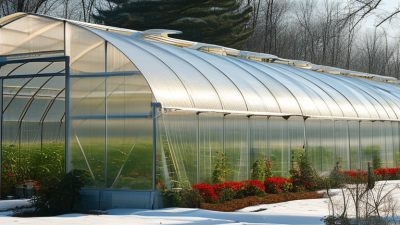
A high tunnel is a simple, unheated structure for extending crop production beyond the outdoor season.

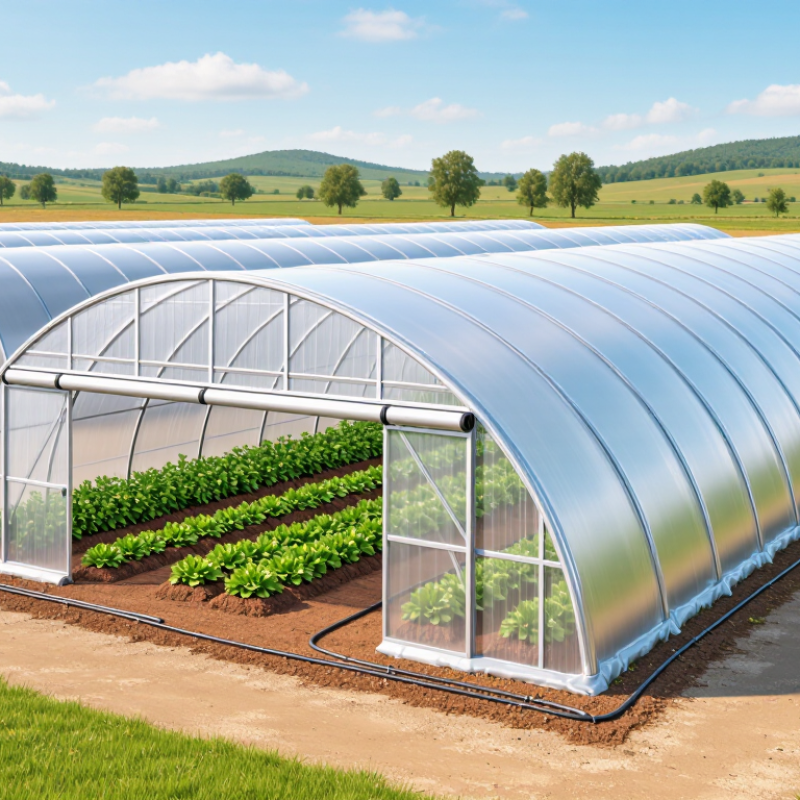
USDA NRCS Conservation Practice Standard 325 describes it as a covered frame where crops grow in the soil. Its design usually includes metal hoops, polyethylene film, end walls, and roll-up sidewalls. These parts protect plants from wind, heavy rain, and light frost. They also allow passive ventilation without powered cooling systems.

Inside, growers often build raised beds with drip irrigation and narrow walking paths. The cover can warm the soil earlier in spring and protect crops later in autumn. USDA NASS reported about 1.9 million U.S. farms in the 2022 Census of Agriculture. That scale shows why adaptable structures matter for both small and diversified operations.

A high tunnel can support tomatoes, leafy greens, herbs, and berries on limited acreage. It is not a greenhouse, however. I once underestimated ventilation needs, and overheated plants made that mistake obvious. Roll-up sides, shade management, and regular temperature checks remain essential.

Poor drainage can also turn a productive tunnel into a muddy, disease-prone space. The USDA NRCS standard emphasizes site selection, structural stability, and water management. Those details often decide whether year-round farming is practical.

How High Tunnels Extend the Growing Season

Why Choose a High Tunnel for Year-Round Farming?

A high tunnel creates a warmer, calmer growing space without permanent heating. Its plastic cover captures daytime solar energy and reduces wind exposure. USDA Natural Resources Conservation Service guidance recognizes high tunnels as tools for extending production seasons and improving crop protection. University extension reports commonly estimate an extra two to four weeks in spring and fall. In colder regions, growers may gain even more time with row covers inside the tunnel.

The difference is visible in practice. Lettuce stays cleaner during heavy rain, while tomato seedlings face fewer cold nights. Soil also warms earlier, allowing earlier transplanting. According to the USDA National Agricultural Statistics Service, protected-culture production continues expanding across American farms, reflecting stronger demand for local, off-season crops. Still, a tunnel is not magic. I have seen growers plant too early, then lose growth during a cloudy, freezing week. Ventilation matters as much as warmth. Without airflow, humidity can encourage disease, even when temperatures look comfortable.

Tips: Use a soil thermometer before planting. Open sidewalls when temperatures approach 24°C. Keep winter crops low and close to the soil. Add an inner row cover during frost. Record temperature, humidity, planting dates, and harvest weight each season. These notes reveal mistakes faster than memory. Extension recommendations from Cornell and other land-grant universities also support regular ventilation, soil testing, and crop rotation inside tunnels.

Climate Control and Crop Protection in High Tunnels

A high tunnel creates a more stable growing environment than an open field. In my experience, that stability begins with careful temperature management. Roll-up sides release hot air during sunny afternoons, while sealed end walls reduce cold drafts at night. Ventilation matters greatly. Without it, humidity can rise quickly and encourage fungal disease.

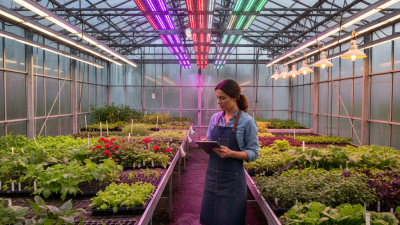
Simple tools improve daily decisions. A thermometer at crop height shows conditions that may differ from the outside air. Soil moisture sensors help prevent excessive irrigation, especially during cloudy weeks. Drip lines deliver water directly to the root zone and keep foliage dry. Shade cloth can reduce heat stress in midsummer, but it also lowers available light. That trade-off requires observation.

High tunnels also shield crops from heavy rain, wind, light frost, and some common pests. This protection can extend harvests and improve the appearance of tender greens, tomatoes, and herbs. However, the structure does not remove every risk. Aphids may enter through open sides, and heat can damage crops faster than expected. I once underestimated afternoon temperatures and lost young plants near the tunnel’s warmest wall. The mistake was avoidable. Regular scouting, clean tools, balanced airflow, and accurate records make climate control more dependable. Even then, weather remains unpredictable.

Why Choose a High Tunnel for Year Round Farming? - Climate Control and Crop Protection in High Tunnels
Data Dimension Typical High Tunnel Condition Difference from Open-Field Production Farming Benefit
Daytime Temperature Often 5–15°F (3–8°C) warmer on sunny days Open fields receive more direct wind and heat loss Warmer growing conditions can support earlier spring planting and faster crop development.
Nighttime Temperature Usually several degrees warmer, depending on cover, wind, and cloud conditions The enclosed air volume reduces exposure to cold wind and radiative heat loss Crops may experience less cold stress, although an unheated tunnel is not completely frost-proof.
Growing-Season Extension Commonly about 2–8 weeks in spring and autumn The exact extension varies with local climate, tunnel design, and crop selection Growers can begin production earlier, harvest later, and improve continuity between outdoor seasons.
Rainfall Exposure Most rainfall is excluded by the polyethylene cover Open-field crops receive direct rainfall and may experience saturated soil Covered soil is easier to manage, but irrigation must be monitored because natural rainfall is largely unavailable.
Leaf Wetness Generally lower when ventilation is adequate Outdoor foliage is frequently exposed to rain, dew, and prolonged moisture Drier foliage can reduce conditions favorable to some fungal and bacterial diseases; poor ventilation can still create humidity problems.
Wind Exposure Reduced inside a properly anchored and enclosed structure Open-field crops are directly exposed to prevailing winds and gusts Lower wind stress can reduce lodging, leaf damage, moisture loss, and physical damage to tender plants.
Hail and Heavy-Rain Protection Substantially reduced under an intact cover Open-field crops have little protection from hail or intense rainfall The structure can help protect marketable leaves, fruit, flowers, and soil from weather-related damage.
Ventilation Control Managed through roll-up sides, doors, end walls, or roof vents Open fields cannot be mechanically adjusted to regulate air exchange Timely ventilation helps control excess heat and humidity without requiring a conventional heating system.
Irrigation Efficiency Water can be delivered directly to the root zone through drip irrigation Open-field irrigation is more affected by wind, rainfall, and surface evaporation Covered production allows more consistent moisture management and can reduce unnecessary water loss.
Crop Suitability Leafy greens, tomatoes, peppers, cucumbers, herbs, strawberries, and transplants Some warm-season or weather-sensitive crops are more difficult to produce outdoors The protected environment supports high-value crops and extends access to crops outside their normal outdoor window.
Climate-Control Requirement Passive control is often possible; supplemental heat may be needed in cold climates Open fields have no practical control over temperature or rainfall A high tunnel offers a lower-complexity climate-control option, but it still requires monitoring, ventilation, and seasonal planning.
Note: Performance varies with latitude, tunnel size, cover material, ventilation, wind conditions, crop type, and management practices. An unheated high tunnel extends the growing season but does not provide the same temperature control as a fully climate-controlled greenhouse.

Crop Selection and Year-Round Production Planning

Why Choose a High Tunnel for Year Round Farming?

Crop selection determines whether a high tunnel remains productive through every season. Warm-season crops such as tomatoes, cucumbers, peppers, and basil perform well from late spring through summer. In cooler months, growers can shift toward spinach, kale, lettuce, radishes, and Asian greens. Not every crop belongs inside. Corn and large vining crops may consume valuable space without providing enough return.

A reliable plan begins with local frost dates, tunnel temperature records, and expected customer demand. I recommend dividing the growing space into several beds and scheduling new plantings every two or three weeks. This succession approach prevents one large harvest from becoming a storage problem. For example, sowing lettuce in small batches can provide steady cutting from October through December. After removing summer crops, add compost, check soil moisture, and transplant cold-tolerant greens before nights become severe.

Plan with margins. Weather changes quickly.

Ventilation also needs seasonal adjustment. Roll-up sides and end walls should open during warm afternoons, even in winter, to reduce condensation and disease pressure. During cold nights, row covers inside the tunnel can protect young plants without adding permanent heat. My early plans often failed because I planted too much of one crop and ignored labor demands. Harvesting, washing, and replanting can take longer than expected. A simple calendar should include planting dates, expected harvest windows, crop rotation, and backup dates for delayed growth. Keep records of temperature, pest activity, and failed varieties. Those details make the next season more accurate.

Costs, Maintenance, and Sustainability Considerations

Why Choose a High Tunnel for Year Round Farming?

A high tunnel protects crops from wind, heavy rain, and early frost. It also creates a longer selling window. USDA NRCS Practice Standard 798 links high tunnels with improved soil quality, reduced erosion, and better water management. Those benefits still require careful operation. Drip lines can clog. Plastic covers can tear overnight.

Construction costs vary sharply by size, snow load, site preparation, and ventilation. University extension enterprise budgets often place basic tunnel construction near $8,000 to $15,000 for a 30-by-96-foot structure. Regional labor can raise that figure considerably. USDA NRCS payment schedules also vary by state and fiscal year. A grower should price anchors, doors, irrigation, electricity, and delivery separately. The frame is not the full investment.

Maintenance is where year-round claims become less certain. Covers commonly need replacement after several seasons, while roll-up sides, vents, and fasteners require regular inspection. The SARE report, High Tunnels and Other Season Extension Techniques, documents longer seasons and improved market access, but results differ by crop and climate. Sustainability improves when tunnels use drip irrigation, compost-based fertility, and passive ventilation. Remove diseased plant material quickly. Otherwise, the protected space can intensify pest and disease pressure. Any first budget is probably wrong. Recheck labor hours after one full season.