China Top 10 High Tunnel Manufacturers for Global Buyers

China’s high tunnel manufacturing sector has become increasingly relevant to commercial growers, distributors, and agricultural project developers worldwide. Buyers now compare more than price. They examine galvanized steel strength, film performance, ventilation design, snow-load capacity, spare parts, and installation support.

Industry data supports this growing attention. The USDA Natural Resources Conservation Service has funded thousands of high tunnel structures through its High Tunnel Initiative. These structures help farmers extend production seasons, protect crops from rain, wind, and temperature swings, and improve soil-management efficiency. The USDA also emphasizes that regional climate and site conditions must guide tunnel selection. A low-cost frame may fail quickly under heavy snow or strong coastal winds.

Global protected-cultivation reports also show steady demand for controlled growing environments. However, many reports combine greenhouses, shade houses, and high tunnel systems. Their market figures are useful, but not perfectly comparable. That limitation deserves attention.

“High tunnels are not greenhouses,” explains Lewis W. Jett, a high-tunnel specialist and horticulture researcher at West Virginia University. His warning is practical. High tunnels usually rely on passive ventilation and sunlight, rather than full environmental automation.

This guide reviews China’s top high tunnel manufacturers for global buyers. It considers material quality, engineering documentation, customization, export experience, certifications, and after-sales reliability. Product photos can look convincing. Welds, connectors, film thickness, and replacement-part availability reveal more.

Some suppliers may offer excellent pricing but limited field support. Others may provide stronger engineering at a higher initial cost. The best choice depends on crop value, climate risk, labor capacity, and project scale.
China Top 10 High Tunnel Manufacturers for Global Buyers

High Tunnels: Definition, Structure, and Main Agricultural Applications

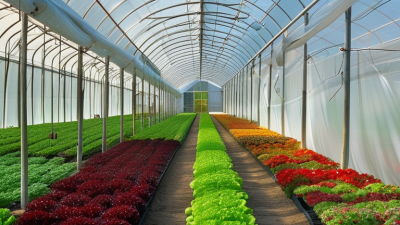
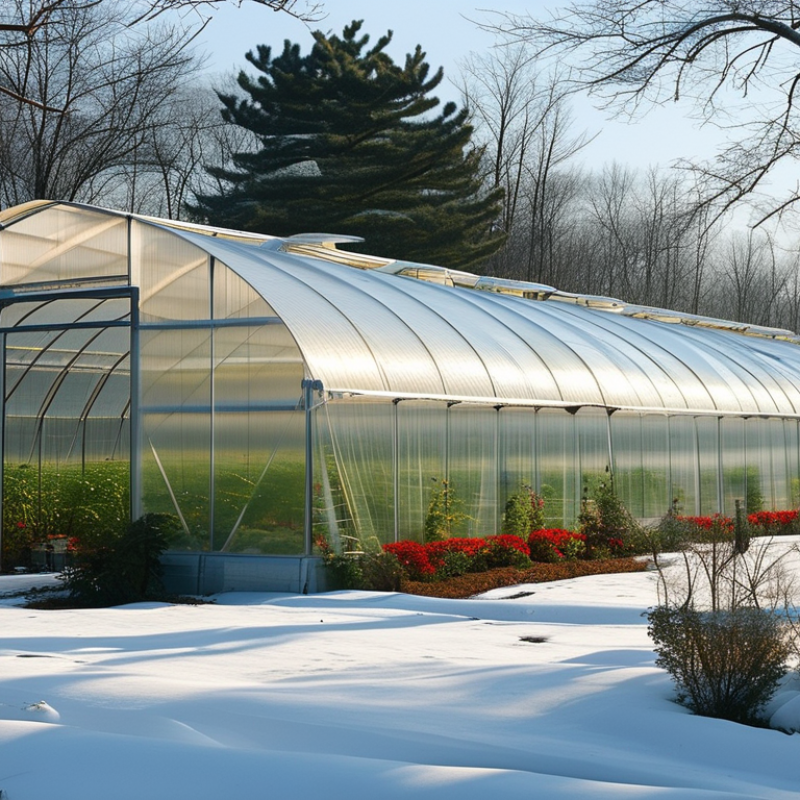
High tunnels are unheated, covered structures that protect crops from rain, wind, pests, and temperature swings. Their arched steel frames usually support polyethylene film, while roll-up sides provide natural ventilation. Unlike fully controlled greenhouses, they depend mainly on sunlight and passive airflow. USDA Natural Resources Conservation Service guidance describes them as season-extension systems, not complete climate-control buildings.

A well-designed tunnel includes anchored hoops, reinforced end walls, secure film channels, drainage, irrigation, and accessible doors. The structure should withstand local snow, wind, and ultraviolet exposure. That detail matters. The 2024 Grand View Research greenhouse market assessment projects a 10.2% compound annual growth rate through 2030, reflecting stronger demand for protected production. However, market growth does not guarantee good design. Weak anchoring and poor ventilation still cause expensive crop losses.

Farmers use high tunnels for tomatoes, berries, leafy greens, herbs, seedlings, and specialty flowers. Earlier planting can improve market timing, while overhead covers reduce leaf wetness and some disease pressure. Water use may also become more efficient when irrigation is carefully managed. FAO reports that agriculture accounts for roughly 70% of global freshwater withdrawals, so this benefit deserves attention. Yet tunnels can overheat quickly, especially in dry climates. Buyers should compare ventilation area, cover durability, frame thickness, snow-load ratings, and local maintenance needs. A cheaper tunnel may work briefly, but not reliably.

Key Criteria for Evaluating Chinese High Tunnel Manufacturers

Selecting among China’s top high tunnel manufacturers requires more than comparing catalog prices. Global buyers should examine product design, production control, and project support. Ask for drawings, material grades, coating specifications, and verified load calculations. The tunnel must suit local wind, snow, rainfall, and soil conditions.

Steel quality matters. Request the pipe diameter, wall thickness, zinc coating, and corrosion test results. Hot-dip galvanizing is often more durable than basic surface treatment. Inspect connection points, anchors, doors, vents, and film-lock channels. Small weaknesses become expensive during installation.

Do not rely on photographs alone. Request factory audit records, inspection checklists, sample reports, and recent export references. A dependable manufacturer should explain tolerances, replacement parts, packing methods, and installation training. Clear communication matters too. Confirm response times, technical drawings, warranty terms, and responsibility for damaged components.

Ask harder questions.

A polished catalog can hide practical gaps. Some quotations exclude foundations, ventilation, or local adaptation. Compare complete project costs, not only the frame price. Independent inspection before shipment can verify dimensions, welds, packaging, and included parts. Local engineering review is still important because Chinese production experience cannot replace regional building requirements. I would also test a small order first, although this may slow expansion and increase unit costs. That compromise often reveals whether the supplier’s quality system works beyond its sales presentation.

China’s Top 10 High Tunnel Manufacturers for Global Buyers

China’s Top 10 High Tunnel Manufacturers for Global Buyers

China’s high tunnel industry serves farms, nurseries, and research projects across many climates. The leading ten manufacturers usually offer galvanized steel frames, UV-resistant film, ventilation systems, and optional irrigation equipment. Their strengths differ. Some focus on low-cost seasonal tunnels, while others build reinforced structures for heavy snow or strong coastal winds.

Experienced buyers should inspect more than catalog photos. Ask for steel thickness, zinc coating weight, wind-load data, snow-load calculations, and film specifications. Factory audits can reveal welding quality, storage conditions, and packaging methods. Request recent project references from climates similar to your own. Details matter here. A tunnel designed for a mild region may fail under wet snow.

Reliable manufacturers provide drawings, installation guidance, spare parts, and clear delivery terms. Export experience also helps with customs documents and container loading. However, a polished quotation does not guarantee consistent production. Samples may look excellent, while later batches vary slightly. This is where third-party inspection becomes useful. Buyers should also confirm drainage design, door dimensions, anchor depth, and replacement-film availability. No supplier is perfect. Careful communication reduces expensive misunderstandings, especially when local building rules, labor skills, and seasonal weather conditions differ.

Product Comparison: Materials, Designs, Customization, and Production Capacity

China Top 10 High Tunnel Manufacturers for Global Buyers

For global buyers, China’s top 10 high tunnel manufacturers should be compared beyond price. In factory audits, I examine frame steel, film grade, drainage, and assembly details. Galvanized steel is common, but coating thickness varies. A light frame may suit mild climates. It can fail under snow or strong wind. Polyethylene film reduces cost and weight. Multi-layer film improves heat retention, yet replacement schedules matter. Small details matter.

Design choices reveal manufacturing competence. Gothic arches shed snow better than simple hoop forms. Side ventilation, roll-up doors, and insect netting affect airflow and crop health. Buyers should request load calculations for their wind and snow zones. Some suppliers offer standard widths from six to twelve meters. Others engineer wider spans, stronger braces, or connected bays.

Customization may include bench layouts, irrigation openings, shade systems, and foundation plans. Drawings should show bolt sizes and film tension points.

Production capacity is not the same as delivery reliability. A large workshop can still miss a seasonal shipment. Ask for monthly output, welding inspection records, material certificates, and packing photos. A small trial order can expose weak instructions or missing fittings. That step may feel inefficient. It often prevents costly installation delays. Lead time also changes during peak greenhouse seasons, so written schedules deserve careful review.

How Global Buyers Can Select and Purchase the Right High Tunnel Supplier

Selecting a high tunnel supplier in China requires more than comparing catalog prices. Start with the crop, climate, and growing season. A tunnel for windy coastal farmland needs stronger frames than one used in a sheltered inland valley. Ask for steel grade, tube thickness, wind-load data, snow-load data, and corrosion protection details.

Request factory photos, production videos, material samples, and recent export references. A dependable manufacturer should explain film thickness, ultraviolet resistance, ventilation design, door dimensions, and anchoring methods clearly. Check whether the supplier can provide drawings, installation instructions, replacement parts, and responsive technical support. These details matter when a damaged cover arrives during planting season. Measure twice.

Compare complete landed costs, not only the quoted unit price. Include packaging, inland transport, ocean freight, insurance, duties, installation tools, and possible spare materials. Confirm payment terms, production time, inspection procedures, and the exact responsibility for damage during shipment. Ask for a pro forma invoice with every component listed. Vague descriptions create expensive disputes.

Before placing a large order, purchase a sample section or visit an audited facility through an independent inspection company. Review welding quality, galvanized surfaces, stitching, fittings, and packing protection. Request compliance documents required by your destination market, and verify them with local authorities or qualified consultants. Weather decides. Even experienced buyers can overlook drainage, door clearance, or local snow conditions. That mistake is worth examining before signing. A slightly higher initial cost may protect crop yields, labor time, and future maintenance budgets.