China Top LED Grow Lights for Global Buyers What to Know?
As the global demand for sustainable agriculture rises, LED grow lights are becoming essential in modern farming. According to a report by MarketsandMarkets, the LED grow lights market is projected to reach $8.4 billion by 2026, growing at a CAGR of 21.7%. This data highlights the growing recognition of the benefits of LED grow lights in enhancing plant growth and yield efficiency.
Chinese manufacturers lead the way in producing high-quality LED grow lights. Their products are known for energy efficiency and long lifespan. These lights utilize specific wavelengths that optimize photosynthesis. However, not all products are created equal. Quality can vary widely among suppliers, making it crucial for global buyers to conduct thorough research before purchasing. Many buyers overlook important specifications.
In this dynamic landscape, understanding the market and making informed choices is vital. The right LED grow lights can significantly impact crop outcomes. Yet, a lack of technical knowledge can lead to ineffective decisions. Thus, arming oneself with detailed information is imperative for successful investment in LED grow lights.

Overview of LED Grow Lights: Benefits and Applications
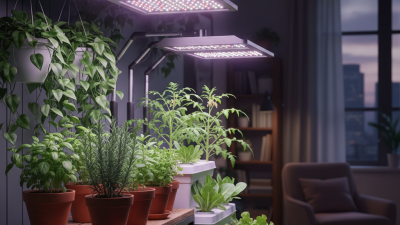
LED grow lights have transformed indoor gardening and agriculture. These lights mimic the sun's spectrum, promoting plant growth in various settings. Users can adjust light intensity and duration to suit specific plant needs. This adaptability is crucial for growers in different climates or those facing seasonal changes.
The benefits of LED grow lights are significant. They offer energy efficiency, reducing electricity costs compared to traditional lights. Growers can expect higher yields in shorter time frames. These lights produce less heat, minimizing risks of plant burnout. However, there are challenges. Some users may struggle to understand light spectrum needs. This can lead to poor plant health if incorrect settings are used.
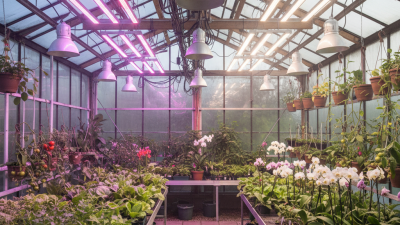
Applications for LED grow lights extend beyond simple indoor gardening. They are used in commercial farming, horticulture, and urban gardens. Researching light types is essential for optimal results. Buyers should be aware of their specific requirements. Balancing quality and budget is often a complex task. It’s important to explore reliable sources for accurate information and guidance.
Key Features of China Top LED Grow Lights for Global Markets
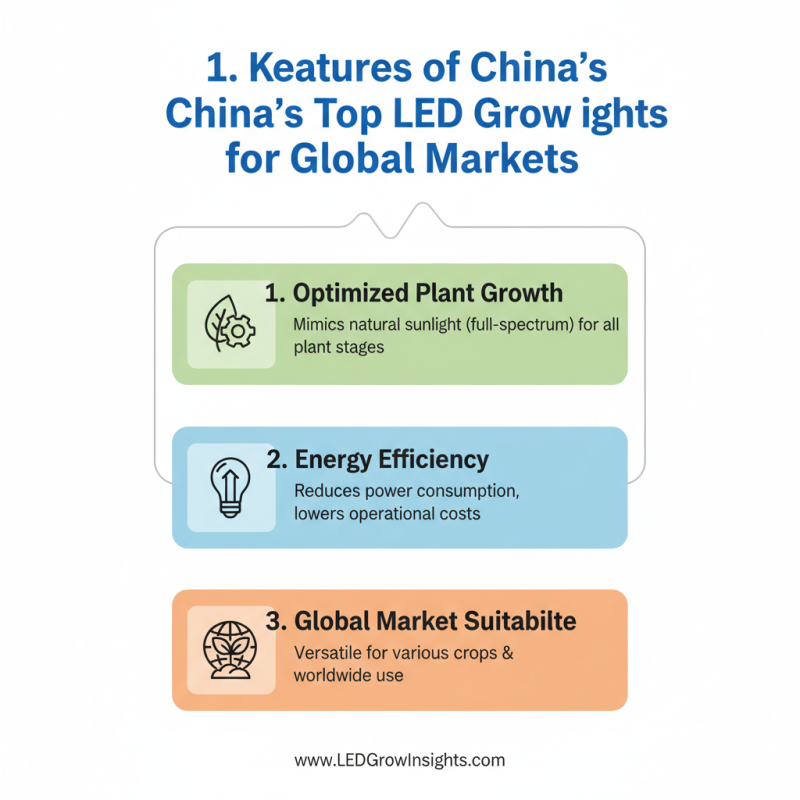
When considering LED grow lights from China, it's important to understand key features crucial for global buyers. These products are designed to optimize plant growth while being energy-efficient. One significant aspect is the spectrum of light they emit. Full-spectrum lights mimic natural sunlight, promoting healthy photosynthesis. This versatility makes them suitable for various plants, from herbs to flowering species.
Another important feature is the heat management system. Effective cooling technology ensures lights maintain optimal temperatures, preventing damage to both the lights and plants. Buyers should look for adjustable light intensity options, as this allows customization based on plant growth stages. Flexibility in usage can enhance productivity and yield.
**Tips:** Always check for certifications to ensure quality. Research the supplier's production practices and ask for samples before making larger purchases. Look for user reviews to gauge reliability and long-term performance. Understanding these features can guide buyers in making informed decisions about which LED grow lights to choose for their needs.
Factors to Consider When Choosing LED Grow Lights from China
When selecting LED grow lights from China, several key factors emerge. The first is light spectrum. Different plants require varying light wavelengths for optimal growth. Studies indicate that blue light enhances vegetative growth, while red light aids flowering. A balanced spectrum can significantly improve crop yield, with some reports suggesting up to a 30% increase in productivity.
Another crucial element is energy efficiency. High-quality LED lights can reduce energy consumption by 50% compared to traditional grow lights. This can lead to significant cost savings over time. Many suppliers provide energy efficiency ratings, which can help in making informed choices. It's essential to compare these ratings and understand the long-term savings they offer.
Lastly, consider the materials used and their expected durability. A reliable product should withstand the rigors of a grow environment without succumbing to heat or moisture. Research shows that a robust design can extend the light's lifespan to over 50,000 hours. However, not all manufacturers adhere to these standards, so it's wise to scrutinize warranties and customer feedback.
China Top LED Grow Lights for Global Buyers What to Know? - Factors to Consider When Choosing LED Grow Lights from China
| Features |
Details |
| Light Spectrum |
Full Spectrum, Including UV and IR |
| Power Consumption |
100W, 200W, 300W Options |
| Lifespan |
50,000 Hours |
| Heat Management |
Built-in Cooling Fans |
| Price Range |
$100 - $500 |
| Certifications |
CE, RoHS, UL |
| Warranty |
2 Years |
| Suitable for |
Indoor Farming, Hydroponics, Greenhouses |
Leading Manufacturers and Brands of LED Grow Lights in China
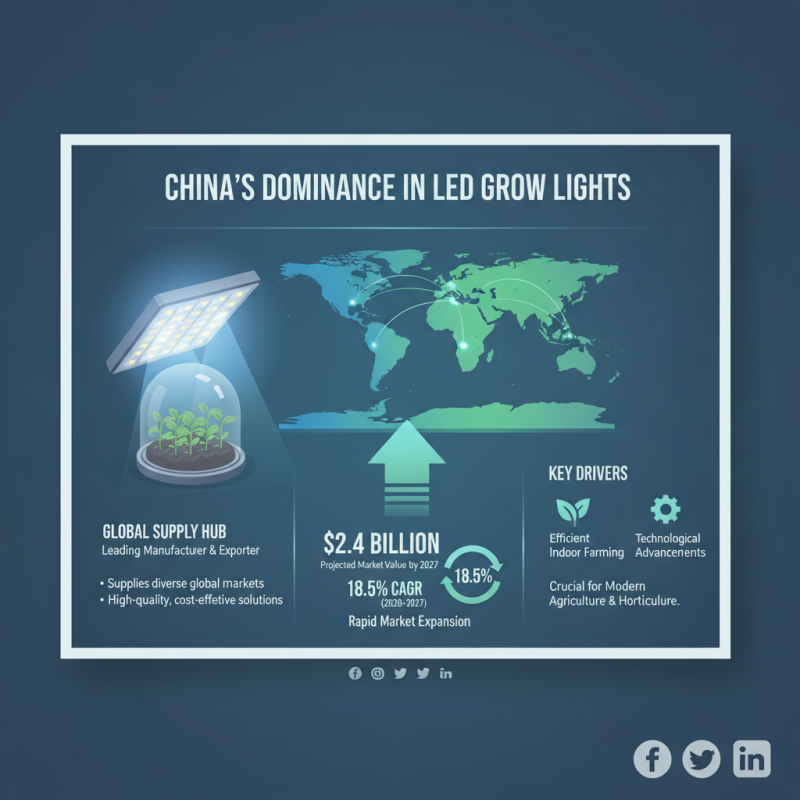
China is a leading supplier of LED grow lights, catering to various global markets. The demand for efficient indoor farming solutions has surged. According to a recent market report, the LED grow light market is projected to reach $2.4 billion by 2027, growing at a CAGR of 18.5%. This rapid expansion indicates the vital role that these lights play in modern agriculture.
Major manufacturers in China focus on innovation. They invest heavily in R&D to produce high-efficiency lighting systems. Features often include adjustable spectrums and energy-saving technologies. Reports indicate that products with full-spectrum capabilities can enhance plant growth by up to 30%. However, not every product in the market meets these high standards. Some poorly designed lights fail to provide adequate coverage or intensity. Buyers must be diligent in their research.
Consumer preferences are shifting towards sustainable solutions. Many factories are exploring eco-friendly materials and manufacturing processes. Yet, the challenge remains in balancing cost and quality. Some brands achieve this, but others cut corners. Ensuring reliable performance and long-life spans is essential for growers. In this competitive landscape, selecting a reputable manufacturer becomes crucial for lasting success.
Future Trends in LED Grow Light Technology and Global Demand
The landscape of LED grow light technology is rapidly evolving. Innovations are being driven by rising global demand for efficient and sustainable agricultural solutions. Energy efficiency is a primary focus. The new designs aim to minimize energy consumption while maximizing plant growth. Smart controls and sensors are becoming more common. They allow farmers to customize light settings based on specific crop needs.
Adoption rates are increasing across various regions. However, challenges still exist. Many growers are unaware of how to leverage these advanced systems. Education and training are crucial for effective implementation. The cost of high-quality LED systems can be a barrier, particularly in developing markets. But, awareness of long-term savings is growing. This shift may encourage more investment in LED technology.
Environmental concerns further amplify the need for innovation. Consumers are more conscious about sustainable practices. Growers are seeking solutions that align with this trend. Improved LED systems can reduce carbon footprints. They can contribute to a more sustainable food supply. As technology advances, the industry must adapt. Growing demand indicates a bright future for LED lighting solutions globally.
Global Demand for LED Grow Lights (2023)