In 2026, automated hydroponic system technology is moving from specialist farms into supermarkets, hotels, schools, and urban warehouses. Global buyers now compare nutrient film technique, deep water culture, drip irrigation, aeroponics, and vertical farming platforms. Each type offers different results. Energy use, crop selection, maintenance skills, and local water quality can change the final decision.
Market forecasts show strong momentum, although their numbers are not identical. Grand View Research estimated the global hydroponics market at approximately USD 12.1 billion in 2024. It projects a double-digit compound annual growth rate through 2030. MarketsandMarkets also reports rapid expansion, driven by food security concerns, urban farming, and controlled-environment agriculture. Forecasts remain imperfect. Definitions differ between reports, and some include equipment, software, or indoor farms.
Dr. Toyoki Kozai, a leading plant-factory researcher, has stated, “Plant factories with artificial lighting can produce high-quality vegetables in any season.” His work highlights the value of stable light, temperature, humidity, and nutrient control. However, automation does not remove every risk. A blocked emitter, inaccurate sensor, or delayed software alert can still damage a crop overnight. Real farms teach this lesson quickly. Global buyers should examine service coverage, spare parts, cybersecurity, energy consumption, and operator training before choosing a system. This guide compares the leading automated hydroponic system types for 2026, using practical performance factors rather than marketing claims alone.
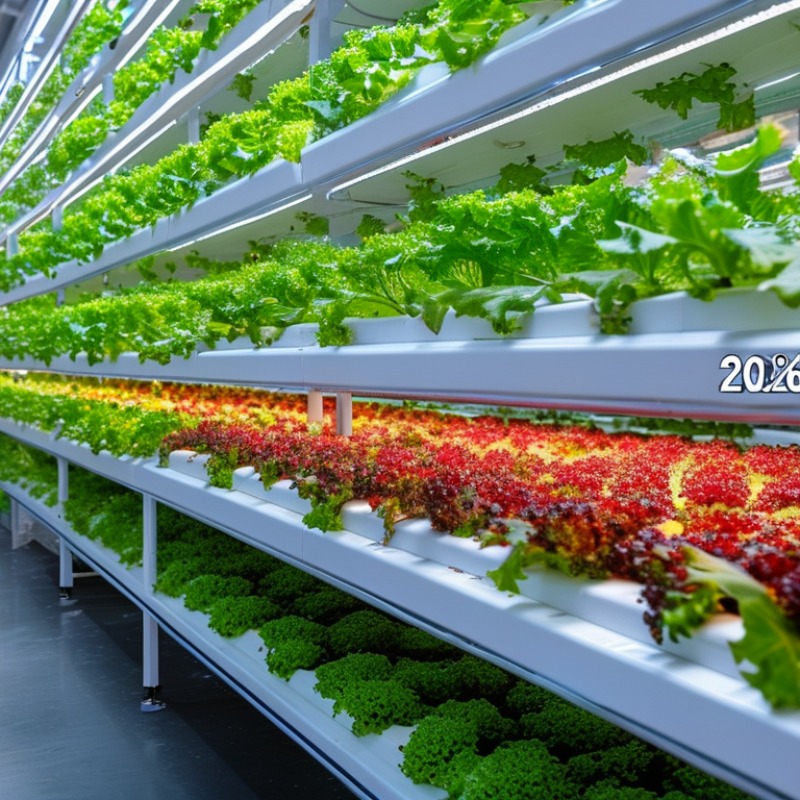
Automated hydroponic systems grow plants without soil by controlling water, nutrients, light, and airflow. A controller receives readings from sensors inside the growing area. These sensors may track pH, electrical conductivity, water temperature, humidity, and reservoir level. Pumps then deliver nutrient solution according to programmed schedules. Some systems adjust dosing automatically. Others only alert workers when readings move outside safe limits. That difference matters.
Common designs include deep water culture, nutrient film technique, drip irrigation, ebb and flow, and aeroponic systems. In deep water culture, plant roots remain in oxygenated nutrient water. Nutrient film technique moves a thin stream across sloped channels. Drip systems feed each plant through small emitters. Ebb and flow tables flood the root zone, then drain it. Aeroponic systems spray fine droplets around exposed roots. Each design needs different plumbing, pressure, and cleaning routines.
In practical installations, automation can reduce repetitive work and improve consistency. It does not make the farm maintenance-free. A blocked emitter can dry one plant within hours. A drifting pH probe can trigger incorrect dosing. Roots may also enter pumps and reduce water flow. Buyers should check sensor calibration procedures, replacement parts, local power requirements, and water quality before choosing a system. Manual inspections remain valuable, especially during the first growing cycles. Small failures often reveal weak assumptions in the original setup.
Automated hydroponic systems differ mainly by how nutrient solution reaches the roots. That choice affects crop range, maintenance, energy use, and failure risk.
Nutrient Film Technique, or NFT, sends a shallow stream across sloped channels. It suits lettuce, basil, and other light-rooted crops. Sensors can adjust flow and nutrient strength. However, a blocked pump may dry roots quickly. I have seen small flow errors damage an entire channel within hours.
Deep Water Culture keeps roots suspended in oxygenated nutrient water. Automated air pumps and dissolved-oxygen sensors support rapid growth. It works well for leafy greens and compact herbs. The water tank needs stable temperature control. Warm water can encourage root problems, even when other readings look normal.
Ebb-and-flow systems flood growing trays, then drain them on a timed schedule. They fit herbs, seedlings, and some fruiting plants. Drip systems deliver measured solution directly to each plant, making them practical for tomatoes, cucumbers, and peppers. Aeroponic systems spray fine mist around exposed roots and can grow quickly. They demand precise nozzles, clean lines, and backup power. Vertical systems may combine drip, NFT, or aeroponics. Their height saves floor space but complicates inspection. My practical preference is not always the most advanced system. Reliable access, simple cleaning, and manual checks often matter more than maximum automation.
Core Types of Automated Hydroponic Systems by Growing Method
The chart compares the number of core control functions commonly integrated into automated configurations: nutrient dosing, pH and EC monitoring, water-level monitoring, irrigation control, oxygen or mist control, and environmental sensing. Higher values indicate broader automation potential, not market share or system quality. Actual configurations vary by crop, facility size, and operating requirements.
For global buyers, automated hydroponic systems in 2026 will be judged by control quality, not screen size. A reliable setup combines root-zone sensors, water-temperature probes, pH meters, and electrical-conductivity sensors. These devices reveal changes before leaves show stress. Yet sensors drift. Operators should calibrate them against certified reference solutions and record readings weekly. That simple log supports traceability during crop reviews and supplier discussions.
The control unit converts measurements into practical actions. It can adjust pumps, dosing intervals, alarms, airflow, and light schedules from one interface. Good systems allow manual overrides when a sensor gives an implausible value. This matters during power interruptions or unusually warm weather. Nutrient delivery needs more than automatic injection. Separate concentrates, non-return valves, mixing tanks, and flow meters help prevent uneven feeding. A small emitter blockage can create a large yield difference across one growing rack.
Lighting automation should match crop stage, canopy height, and local electricity conditions. Dimming, photoperiod control, and gradual sunrise settings can reduce plant shock and energy waste. However, software promises are not field evidence. Buyers should request trial data, sensor accuracy ranges, spare-part plans, and technician training. Complex dashboards often impress during demonstrations but slow daily work. Simple alerts may be more valuable than dozens of graphs. Leave room for judgment. No automation can replace clean water, inspected roots, and disciplined sanitation.
| System Type | Growing Principle | Typical Nutrient Delivery | Recommended Sensors | Automation & Control Functions | Lighting Integration | Best-Fit Crops & Buyer Profile |
|---|---|---|---|---|---|---|
| Nutrient Film Technique (NFT) | A shallow, continuously recirculating film of nutrient solution flows through slightly inclined channels across plant roots. | Recirculating pump Flow manifold Return reservoir Usually operates with continuous flow or scheduled circulation. | pH, electrical conductivity (EC), reservoir temperature, solution level, flow, and pump-status sensors. | Automated pump scheduling, low-level protection, flow-loss alarms, pH dosing, EC dosing, data logging, and remote alerts. | LED fixtures with timer-based photoperiod control; dimming can be added for indoor installations. | Leafy greens, herbs, and small plants. Suitable for commercial vertical racks and controlled-environment farms. |
| Deep Water Culture (DWC) | Plant roots remain in oxygenated nutrient solution held in containers, rafts, or channels. | Submerged reservoir Air pump Air stones Nutrients are delivered directly through the water surrounding the roots. | pH, EC, water temperature, dissolved oxygen, water level, and air-pump status. | Air-pump scheduling, automatic top-up, pH and EC dosing, temperature alarms, dissolved-oxygen monitoring, and backup-power alerts. | LED lighting with programmable on/off cycles; adjustable intensity is useful for indoor crop stages. | Lettuce, basil, leafy greens, and some compact fruiting crops. Simple to operate but requires reliable aeration. |
| Ebb and Flow (Flood and Drain) | A growing bed is periodically flooded with nutrient solution and then drained back into a reservoir. | Timed flood pump Drainage standpipe Reservoir return Flood frequency depends on crop, media, humidity, and root-zone conditions. | pH, EC, reservoir level, water temperature, flow, flood height, and growing-medium moisture. | Programmable flood-and-drain cycles, pump protection, reservoir refill control, overflow alarms, and moisture-based scheduling. | Timed or sensor-assisted LED control; lighting should be coordinated with irrigation and temperature management. | Herbs, leafy greens, ornamentals, and nursery plants. Flexible for growers using inert media such as clay pellets or rockwool. |
| Drip Irrigation Hydroponics | Emitters deliver nutrient solution directly to the root zone of individual plants or slabs. | Pump and filter Drip lines Pressure-compensating emitters Can be configured as recirculating or drain-to-waste. | pH, EC, reservoir level, flow, line pressure, substrate moisture, and drain volume where applicable. | Irrigation pulse scheduling, pressure and flow deviation alarms, automatic fertigation, climate-linked watering, and zone control. | LED or sunlight-based control with dimming and photoperiod scheduling for indoor or greenhouse production. | Tomatoes, cucumbers, peppers, strawberries, leafy greens, and larger plants. Well suited to commercial greenhouse production. |
| Aeroponics | Plant roots are suspended in an enclosed chamber and periodically sprayed or misted with nutrient solution. | High-pressure or low-pressure misting Nozzle manifold Fine filtration Requires dependable pumps, clean lines, and scheduled spray cycles. | pH, EC, reservoir temperature, solution level, pump pressure, flow, chamber temperature, humidity, and nozzle performance. | Precise mist-cycle programming, pump redundancy, pressure alarms, automatic dosing, emergency spray cycles, and remote monitoring. | High-efficiency LED systems with programmable intensity and photoperiod; canopy temperature and humidity should be monitored. | Leafy greens, herbs, propagation, and research applications. High automation potential but more sensitive to pump or nozzle failure. |
| Vertical Tower Hydroponics | Plants are arranged in stacked columns or towers while nutrient solution is lifted and distributed from a central reservoir. | Top-feed pump Vertical distribution tube Gravity return Often uses recirculating flow through tower channels or planting pockets. | pH, EC, reservoir level, water temperature, flow, pump status, ambient temperature, humidity, and light intensity. | Automated pump cycles, water-level protection, nutrient dosing, flow alarms, tower-zone monitoring, and remote dashboard access. | Integrated LED bars or panels with independently controlled photoperiod and dimming for each growing tier. | Lettuce, herbs, strawberries, and compact greens. Useful where floor area is limited and vertical space is available. |
| Wick Hydroponics | Capillary wicks pass nutrient solution from a reservoir to a passive growing medium. | Passive capillary delivery Reservoir No circulation pump required Delivery rate depends on wick material, media, plant demand, and reservoir position. | Reservoir level, growing-medium moisture, water temperature, ambient temperature, humidity, and light level. | Automated refill, moisture alerts, light scheduling, and basic environmental monitoring; nutrient dosing is less commonly automated. | Small LED fixtures with timer control for indoor use; natural light can be used where intensity is sufficient. | Small herbs and low-demand plants. Appropriate for educational, residential, and low-energy applications rather than large commercial crops. |
Capacity should match crop turnover, not showroom height.
A 100-square-meter leafy-green system may need fewer channels than a smaller tomato unit. Compare usable growing area, reservoir volume, pump redundancy, and daily harvest targets.
FAO guidance reports that soilless systems can reduce water use substantially, often by 70–90%, when recirculation is properly managed. However, poor filtration quickly weakens that advantage.
Crop choice changes everything.
Lettuce prefers shallow nutrient-film channels and short lighting cycles. Tomatoes require deeper roots, stronger trellises, pollination support, and longer energy exposure.
The U.S. Department of Energy’s horticultural lighting reports identify modern LED fixtures reaching roughly 2.5–3.0 micromoles per joule. That efficiency still cannot rescue an over-lit room. Electricity prices, climate, and cooling loads often decide profitability.
Tips:
Request a 12-month energy estimate, not a sales-day figure. Ask for pump flow rates, cleaning time, sensor calibration intervals, and replacement costs.
I once compared systems by crop capacity alone; that was a mistake. The labor schedule became the real bottleneck.
USDA controlled-environment agriculture guidance also stresses monitoring temperature, humidity, nutrient strength, and water quality. Automation helps, but it does not remove inspection. Sensors drift. Keep manual checks.
Automated hydroponic systems include nutrient film technique, drip irrigation, deep water culture, and vertical towers. Climate should guide the choice. In hot regions, cooling, shading, and water temperature controls are essential. In dry areas, closed-loop systems can reduce water loss. High humidity may increase disease pressure, especially in dense vertical farms. That detail is easy to underestimate.
Regulations also shape purchasing decisions. Buyers should verify electrical standards, water discharge rules, food safety requirements, and local installation permits. A technically advanced system may still fail approval. Budget planning must include sensors, pumps, software, backup power, maintenance, and operator training. The lowest purchase price is rarely the lowest operating cost. Supplier support matters just as much. Ask about spare parts, remote diagnostics, response times, and local technicians. Documentation should be clear, translated when necessary, and practical for daily staff use.
Tips: Compare three-year operating costs, not only equipment prices. Request climate-specific performance data. Test a small installation before expanding. Keep manual override controls. Automation can reduce labor, but it cannot replace judgment. Some crop data may look impressive, yet real results vary between facilities. Recheck assumptions after one full growing cycle.