Global farming faces tighter water supplies, unstable weather, and rising pressure to produce fresh food near consumers. A hydro grow system offers a controlled way to address some of these challenges. It delivers water and nutrients directly to plant roots, often without traditional soil. This can reduce water loss and support production in cities, dry regions, and remote communities.
Practical experience shows that control does not remove every risk. Operators must check pH, nutrient strength, temperature, and root health every day. A blocked pump can damage a crop within hours. Energy costs also matter, especially when lighting and climate systems run continuously. Research institutions and commercial growers report strong results for leafy greens, herbs, and selected fruiting crops. However, performance depends on crop choice, system design, local climate, and staff training.
The numbers matter.
A reliable hydro grow system should match local resources, not follow a universal formula. Farmers need safe water, dependable power, suitable equipment, and clear maintenance procedures. They should also compare installation costs with expected yields and market prices. In some regions, soil farming remains more practical and affordable. That is worth admitting. This article examines why hydroponic systems attract global attention, where they perform well, and which limitations decision-makers should consider before investing. Its focus is practical: measurable efficiency, responsible resource use, food quality, and long-term farm resilience.
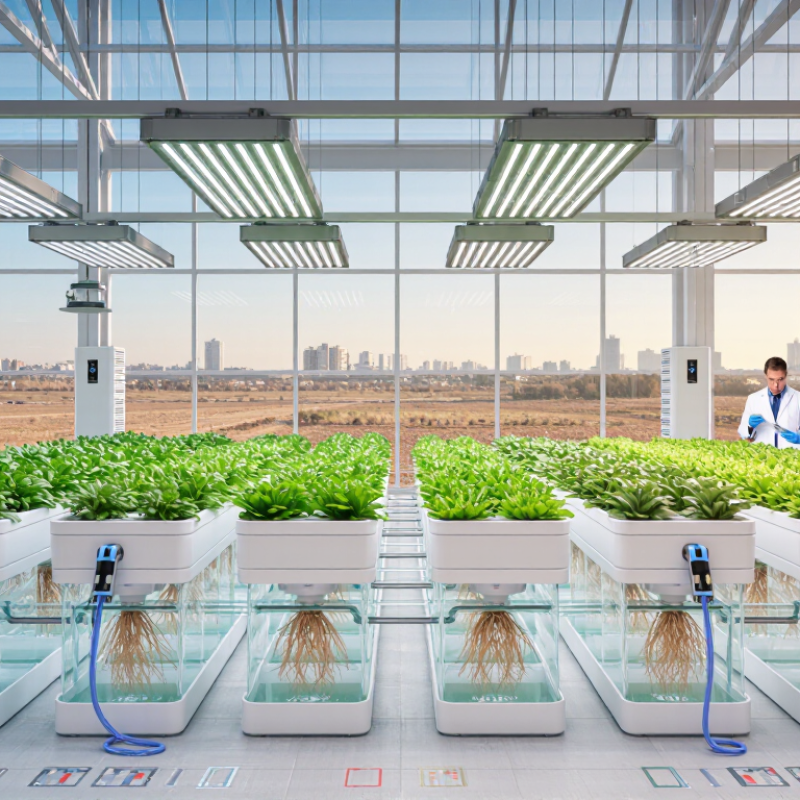
A hydro grow system cultivates plants without traditional soil. Water carries dissolved nutrients directly to the roots. Water replaces soil.
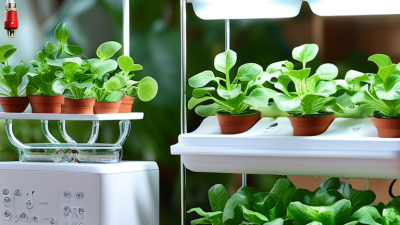
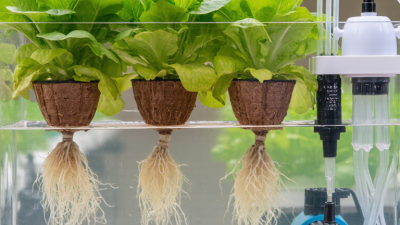
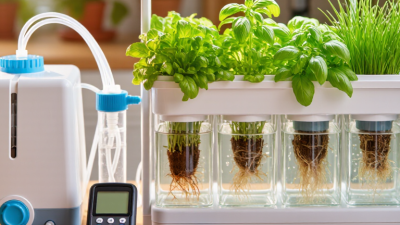
Common systems use a reservoir, pump, growing channels, and a root-supporting medium. Some methods keep roots in flowing water. Others deliver nutrient solution through timed drips. Air stones can add oxygen, which supports healthier root development. Crops may grow in coco fiber, clay pellets, or other inert materials.
In practical operation, growers monitor pH, nutrient strength, water temperature, and cleanliness. Small changes can affect leaf color and growth speed. A clean reservoir matters. Poor sanitation may encourage algae or root disease. Reliable timers and backup power can also protect crops during interruptions. These details become especially important in regions with limited farmland or irregular weather.
Hydroponics can use less water than many soil-based methods because systems recirculate it. However, the saving is not automatic. Leaks, evaporation, and careless flushing can waste supplies.
Energy demand may also increase when pumps, lighting, or climate controls run continuously. This system requires skill, not just equipment. Growers should test water quality and adjust practices for each crop and local climate. Results can be impressive, but early harvests may expose mistakes that planning did not reveal.
Why Choose a Hydro Grow System for Global Farming?
Hydroponic farming grows plants without soil, using water enriched with carefully measured nutrients. Plant roots rest in channels, containers, or floating platforms. A pump moves the solution around the root zone. This delivers minerals, moisture, and oxygen directly to the roots. Some systems run continuously, while others use timed cycles. Leafy greens often perform well because their roots need less space. The growing area can also be placed in dry regions, cities, or controlled indoor rooms.
The process requires more attention than many people expect. Growers regularly check pH, nutrient strength, water temperature, and oxygen levels. Small changes can affect root health within hours. I have seen strong plants weaken after a blocked pump reduced circulation. It looked minor at first. Clean reservoirs and properly fitted pipes reduce these risks. Reliable records also help growers compare harvest weight, energy use, and water consumption. Hydroponics can save water, but pumps and climate controls may increase energy demand. That trade-off deserves honest planning.
Tips: Check the roots weekly for discoloration, slime, or unusual odor. Keep spare tubing and an air pump nearby. Calibrate meters before making nutrient adjustments. Start with one crop and a small system. My own mistake would be changing several settings at once, because the real cause then becomes difficult to identify.
| Data Dimension | Hydroponic Farming Information | Indicative Data or Range | Why It Matters for Global Farming |
|---|---|---|---|
| Basic Operating Principle | Plants grow without soil, with roots receiving water, oxygen, and dissolved mineral nutrients. | Key inputs: water, nutrient solution, light, oxygen, temperature, and crop support. | Production can be established in places where fertile soil is limited or unavailable. |
| Water Efficiency | Many systems recirculate water and deliver it directly to the root zone. | Water savings are commonly reported at approximately 70%–95% versus conventional field production, depending on crop, climate, and system design. | Lower water demand can support farming in arid regions and areas facing water restrictions. |
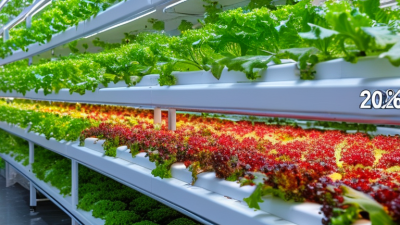
| Land Productivity | Plants can be arranged in tiers, channels, or closely managed rows. | Vertical layouts may increase production per floor area; the actual result depends on crop spacing and lighting. | Suitable for urban areas, rooftops, greenhouses, and regions with high land costs. |
| Nutrient Management | Mineral nutrients are mixed into water and monitored throughout the crop cycle. | Common measurements include pH and electrical conductivity (EC). | Precise control can reduce nutrient losses and help maintain consistent crop growth. |
| Typical pH Targets | The nutrient solution is adjusted to keep nutrients available to plant roots. | Leafy greens: about 5.5–6.5; tomatoes: about 5.5–6.5; strawberries: about 5.5–6.2. | Stable pH helps prevent nutrient lockout and supports predictable crop development. |
| Common Hydroponic Methods | Different systems deliver nutrient solution in different ways. | Nutrient film technique, deep-water culture, drip irrigation, ebb and flow, and aeroponics. | System selection can be matched to crop type, available power, labor, climate, and investment level. |
| Crop Suitability | Hydroponics is especially common for crops with relatively short cycles or high market value. | Leaf lettuce, herbs, leafy greens, tomatoes, cucumbers, peppers, and strawberries are frequently grown hydroponically. | Crop choice affects profitability, system design, nutrient demand, and energy requirements. |
| Climate Control | Greenhouses and indoor farms can regulate temperature, humidity, airflow, and light. | Controlled conditions can reduce exposure to drought, heavy rain, soil-borne disease, and seasonal temperature changes. | Production becomes less dependent on local weather, although climate control adds equipment and operating costs. |
| Pesticide Use | Soilless production can reduce some soil-related pests and diseases, particularly in protected environments. | Pesticide use is not automatically eliminated; pest monitoring and integrated pest management remain necessary. | A controlled growing environment can improve crop hygiene when properly managed. |
| Production Speed | Roots receive readily available water and nutrients, while environmental conditions can be maintained more consistently. | Crop-cycle length varies by species and management; faster growth is possible but not guaranteed. | More predictable harvest planning can improve local and regional food supply scheduling. |
| Energy Requirement | Pumps, sensors, ventilation, heating, cooling, and supplemental lighting may require electricity. | Energy demand is generally higher in fully indoor farms than in naturally lit greenhouses. | Renewable electricity, efficient LEDs, and climate-appropriate design can improve sustainability. |
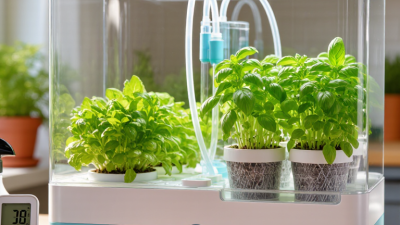
| Automation Potential | Sensors and controllers can monitor pH, EC, water level, temperature, humidity, and light. | Automation can support scheduled irrigation, nutrient dosing, alarms, and environmental adjustments. | Data-based management can help standardize production across different locations. |
| Main Risks and Limitations | System failures, pump outages, contaminated water, incorrect nutrient concentration, and high energy costs can affect crops quickly. | Backup power, water-quality testing, sanitation, staff training, and routine monitoring are important safeguards. | Successful global deployment requires reliable infrastructure, technical skills, and a crop-specific economic plan. |
Note: Values shown are indicative ranges compiled from common hydroponic production practices. Actual performance varies with crop, system design, climate, management, water quality, and energy source.
Hydroponic systems can support food production where soil is poor, scarce, or damaged. Plants grow in nutrient-managed water, often inside protected structures. That control helps farmers produce leafy greens near dense cities.
Shorter supply routes can reduce handling time and spoilage. Recirculated water may also lower consumption. Actual savings depend on crop choice, climate, equipment, and maintenance.
Energy remains a concern. Lighting and cooling can weaken the environmental benefit when electricity is carbon-intensive. Reliable sensors and tested nutrient plans are essential. Even small pH errors can discolor leaves within days.
For global food production, modular hydro farms can strengthen local supply during droughts, floods, or transport disruptions. They also create consistent growing conditions across different regions.
However, they cannot replace every field crop. Wheat, maize, and other staples usually require different economics and infrastructure.
That limitation matters. Operators need trained workers, clean water, backup power, and transparent crop records.
Field experience shows that simple systems are often easier to repair. Over-automation can become expensive and fragile. Results should be measured, not assumed.
Tips: Start with fast-growing crops and a manageable growing area. Test water quality before adding nutrients. Check roots, pH, temperature, and moisture every day. Keep written records of harvest weight and energy use. Review weak results honestly; one successful season proves very little.
Hydroponics can produce crops where fertile soil, rainfall, or land is limited. The Food and Agriculture Organization reports that agriculture uses about 70% of global freshwater withdrawals. Hydroponic systems recirculate water through roots, reducing losses from evaporation and drainage. Actual savings vary by crop, climate, and system design. Claims of “90% less water” need careful measurement.
This technology requires more than tanks and nutrient solution. Farmers need clean water, pumps, filtration, sensors, grow lights, climate controls, and reliable electricity. The United Nations projects nearly 9.7 billion people by 2050, increasing pressure on food systems. Protected growing can shorten supply chains and stabilize production, but energy demand remains a serious weakness. A poorly insulated facility may replace water savings with high power consumption. That trade-off deserves honest attention.
Test water quality before planting. Check pH, electrical conductivity, temperature, and dissolved oxygen regularly. Use backup power for pumps, especially in remote regions. Select crops suited to local markets, because premium technology cannot repair weak demand. Keep written records of yields, water use, energy use, and crop losses. The USDA and FAO both emphasize measurement and resource efficiency, yet small farms may lack laboratory access. Simple manual checks are useful, though they are not perfect.
Hydroponic systems can produce crops near cities while using less land and potentially less water. However, large-scale adoption faces practical barriers that marketing often understates. FAO’s AQUASTAT data indicates that agriculture represents about 70% of global freshwater withdrawals. Recirculating systems can reduce withdrawals, but they still require clean replacement water, filtration, and reliable sanitation. One failed pump can damage thousands of plants within hours.
Energy is a harder challenge. Pumps, lighting, cooling, and climate controls operate continuously in many facilities. The International Energy Agency reports that electricity demand is rising as cooling needs expand worldwide. This creates a difficult trade-off: farms may save water but increase electricity dependence. Sites using fossil-fuel-heavy grids can weaken the environmental benefits. The calculation is not simple.
Labour and technical skills also limit expansion. Operators must manage nutrient concentration, dissolved oxygen, humidity, pests, and software alarms. Small errors appear quickly as brown roots or uneven lettuce heads. The USDA’s 2022 Census of Agriculture shows the continuing importance of protected-culture production in the United States, yet national statistics do not fully capture hydroponic performance. That data gap matters. Investors may compare yields without comparing maintenance, crop losses, worker training, and equipment replacement. Standardized reporting remains incomplete, and even experienced growers sometimes underestimate the cost of resilience. Local water quality and electricity prices can change the entire business case.