10 Home Hydroponics Tips for Beginners

Home hydroponics can turn a windowsill, spare shelf, or kitchen corner into a productive growing space. Instead of soil, plants receive water, nutrients, oxygen, and carefully managed light. That sounds simple. It is not always simple. A lettuce plant may wilt after one hot afternoon, while algae can appear overnight in a poorly covered reservoir.

This beginner’s guide presents ten practical home hydroponics tips based on dependable growing principles and common household conditions. You will learn how to choose an easy system, protect roots from light, and monitor water levels without expensive equipment. For leafy greens, many growers maintain a nutrient solution near pH 5.5 to 6.5, but crop needs can vary. Check the product label and follow trusted horticultural guidance. Clean tools matter too. A small amount of residue can affect roots, nutrients, and food safety.

Expect a learning curve. Your first harvest may be smaller than planned. That is normal. Keep notes about light hours, water temperature, nutrient strength, and plant growth. These details reveal patterns that memory often misses. Reliable results come from observation, sanitation, and gradual adjustments, not guesswork. A basic setup can work well, but it still needs daily attention. Ten focused habits can help you avoid expensive mistakes and grow healthier herbs or greens with greater confidence.
10 Home Hydroponics Tips for Beginners

Choosing the Right Hydroponic System and Growing Space

Choosing the Right Hydroponic System and Growing Space

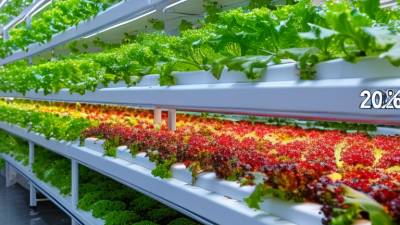
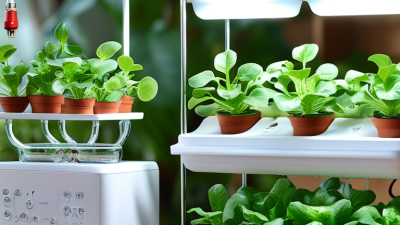
Start with your available light, not the equipment catalogue. A sunny south-facing window may support herbs, but leafy greens need steady, strong light. Measure the space, ceiling height, and nearby power outlets. Leave a clear path for watering and inspection. Beginners often choose a large system too early. I did that once; maintenance became the real crop.

Select a deep-water system for simple lettuce, or a drip system for larger plants. Use a small air pump, washable tubing, and a reservoir you can lift safely. Keep the reservoir away from direct sunlight. This reduces algae growth. Check temperature, pH, and nutrient strength weekly. A cheap meter can prevent expensive mistakes. The University of Arizona Cooperative Extension recommends monitoring these variables because plant uptake changes as crops mature. In a peer-reviewed 2015 study, hydroponic lettuce used about 13 times less water than field-grown lettuce, while producing roughly 11 times more yield per area (Barbosa et al., International Journal of Environmental Research and Public Health). Treat that figure as a research benchmark, not a promise for every home setup. Leave ventilation space around plants, and keep electrical connections above possible spills. Small details matter.

10 Home Hydroponics Tips for Beginners - Choosing the Right Hydroponic System and Growing Space

Tip Key Decision Beginner Recommendation Typical Space Maintenance Best Starter Crops
1 Choose a suitable system Start with a deep-water culture or simple wick system because both have relatively few moving parts. 0.1–0.5 m² Low to moderate Leaf lettuce, basil, mint, and other small herbs
2 Measure the growing area Allow room for the reservoir, light, airflow, access, and future plant growth before selecting the system. At least 30 cm of access space Planning required Compact herbs and leafy greens for shelves or counters
3 Check lighting needs Use a timer-controlled grow light when natural light is weak; many leafy crops need roughly 12–16 hours of light daily. 15–45 cm above plants Check timer weekly Lettuce, kale, arugula, basil, and parsley
4 Provide adequate airflow Keep plants from touching walls and use gentle air movement to reduce stagnant, humid conditions. Leave 5–10 cm around plants Daily visual check Most leafy greens and herbs
5 Monitor water quality Use clean water and check pH regularly; many hydroponic crops perform well around pH 5.5–6.5. Reservoir sized for 1–2 weeks pH check several times weekly Leafy greens and culinary herbs
6 Control nutrient strength Follow the nutrient label for the crop and begin at a lower concentration if seedlings show stress. Small reservoir is easier to adjust Measure weekly Lettuce and herbs, which generally have modest nutrient demands
7 Select an appropriate growing medium Choose a clean, inert medium that supports roots while allowing air and water to move freely. Match medium to net-pot size Inspect roots and moisture Seedlings, herbs, lettuce, and greens
8 Plan plant spacing Follow the seed packet or crop spacing guidance to prevent crowding and improve airflow. About 15–30 cm for many greens Thin crowded seedlings Loose-leaf lettuce, spinach, basil, and chives
9 Protect against leaks and power loss Place the setup on a waterproof tray near a safe outlet and keep cords above the water line. Stable, level surface Inspect connections weekly All crops, especially pump-dependent systems
10 Start small and keep records Begin with a few plants, record pH, nutrient changes, light duration, and growth to identify problems early. 2–6 plants 5–10 minutes daily Fast-growing leafy greens and herbs

Note: Growing conditions vary by crop, cultivar, temperature, water source, and system design. Use crop-specific instructions when available.

Preparing Water, Nutrients, Containers, and Lighting

A successful home hydroponic garden begins with clean, stable water. Let tap water sit overnight if it contains noticeable chlorine. Measure its pH with a reliable meter before adding nutrients. Most leafy greens prefer mildly acidic water, usually around pH 5.5 to 6.5. Check the reading weekly, because water chemistry can change. Keep a simple log. I once ignored this step, and pale leaves appeared within days.

Choose containers that block light and include enough space for roots. Light exposure encourages algae, which competes with plants for oxygen and nutrients. Wash containers between crops, then rinse them thoroughly. Use a balanced hydroponic nutrient according to its instructions, not by guesswork. Begin with a weaker solution for seedlings. Watch the roots, not only the leaves. Brown, slippery roots may signal poor oxygenation or contaminated water.

Lighting needs consistency more than dramatic brightness. Position the lamp above the canopy, following its safety distance and recommended schedule. A timer can provide a steady day-night rhythm. Keep leaves from touching hot fixtures. My first setup stayed too close to the light, and the upper leaves curled before I noticed. Adjust height as plants grow, and inspect them every morning. Record water level, pH, nutrient strength, and leaf changes; these small details make troubleshooting far easier.

Starting Seeds and Transplanting Healthy Seedlings

Starting seeds well is the quiet foundation of a successful hydroponic garden. Use a clean, moisture-holding medium with good air space around each seed. Keep it damp, not soaked, because waterlogged seeds can rot quickly. Gentle warmth and steady light usually produce stronger, shorter seedlings than weak window light. Small roots matter.

Check seedlings every day, especially during the first week. Healthy stems look firm, and new leaves should appear evenly colored. If seedlings stretch toward the light, move the lamp closer or improve its intensity gradually. My first batch grew tall because I waited too long to adjust the light. That mistake taught me to watch growth, not just the calendar.

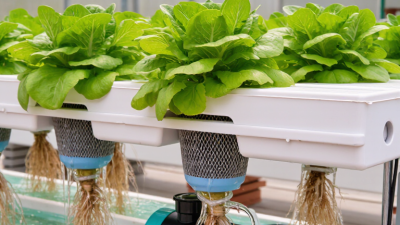
Transplant when seedlings have two or three true leaves and visible roots hold the medium together. Do not rush. Lift each seedling by the leaves or growing medium, never by the fragile stem. Place the roots into the hydroponic channel or net container without crushing them. Keep the water level below the stem, allowing roots to receive both moisture and oxygen. Use a mild nutrient solution at first, and check its pH with a reliable meter. Young roots can react badly to strong feeding. Leave enough space between plants for airflow, since crowded leaves stay wet and invite disease. Some seedlings will fail despite careful work, and that is normal. Record what changed, then adjust one factor at a time.

Managing Light, Water, Nutrients, Airflow, and Plant Spacing

10 Home Hydroponics Tips for Beginners

Managing Light, Water, Nutrients, Airflow, and Plant Spacing

Light controls more than growth speed. I keep leafy greens under steady light for about 14 to 16 hours daily. The light should reach the leaves evenly, without creating hot, bleached patches. A small timer prevents forgetfulness. I once placed a lamp too close, and the upper leaves curled within two days. That mistake taught me to check plant response, not only distance.

Keep the water clean and reasonably cool, around 18–22°C. Roots need oxygen, so stagnant water can cause trouble quickly. I check the level, color, and smell each day. A sour smell is a warning. Nutrients should follow the product’s measured instructions, because extra fertilizer does not mean extra growth. Start conservatively, then observe leaf color and growth. Test pH regularly when possible, but do not chase tiny changes every hour.

Airflow should gently move the leaves. Strong wind can dry edges and weaken young stems. Good circulation also reduces humid pockets around dense foliage. Leave space between plants so mature leaves do not overlap completely. Crowded roots and leaves compete for light, air, and nutrients. I often underestimate spacing at planting time. Later, pruning feels rushed. Give each plant room to develop, while accepting that some adjustments will be necessary.

Monitoring Growth and Preventing Common Beginner Problems

Monitor your system at the same time each day. Record pH, nutrient strength, water temperature, and reservoir level. Keep pH around 5.5–6.5 for most leafy greens. Check roots. They should look cream-colored, firm, and free from slime. Brown roots, a sour smell, or sudden wilting signals trouble.

“ FAO AQUASTAT reports that agriculture uses about 70% of global freshwater withdrawals. Recirculating hydroponics can reduce losses, but only when leaks and evaporation are measured. A 2023 review in Horticulturae reported water savings of up to 90% in some controlled systems, although results vary by crop and design. Do not trust a single reading. Calibrate meters regularly, and test the source water before adding nutrients. Overfeeding is a common mistake. Change only one variable at a time.

Keep a small fan moving air across the leaves. Aim for steady airflow, not wind damage. Inspect leaf undersides for pests every few days. Clean spills quickly, because algae thrive around exposed light and moisture. Use a timer for consistent lighting, then watch plant shape. Tall, weak stems often indicate insufficient light. I still think beginners react too quickly to slow growth. Waiting can be wrong, but constant correction is worse. Take photographs beside a ruler each week. These imperfect records reveal patterns that memory misses.