What Is a Tunnel Greenhouse and How Does It Work?
A tunnel greenhouse is a simple, plastic-covered structure that protects crops without the precise climate control of a conventional greenhouse. Its curved frame shelters rows of tomatoes, greens, or seedlings from wind and heavy rain. Sunlight warms the enclosed air and soil; vents and roll-up sides release excess heat. That balance matters. A sunny spring afternoon can push temperatures sharply upward, even when the ground outside still feels cold.
USDA Natural Resources Conservation Service guidance on seasonal high tunnels describes their role in extending growing seasons and supporting crop and soil quality. Sustainable Agriculture Research and Education (SARE) production resources likewise explain how growers use tunnels to manage weather exposure, irrigation, and planting schedules. These reports offer practical guidance, not a promise of uniform results. Climate, tunnel design, ventilation, and daily management all affect performance. Some days, the structure helps; on others, it traps too much heat.
West Virginia University Extension horticulture specialist Lewis Jett provides a useful expert perspective on high-tunnel production. His guidance emphasizes season extension and active management rather than treating a tunnel like a fully controlled greenhouse. This introduction paraphrases that perspective; it does not present an unverified direct quotation. The distinction is worth keeping in view. A tunnel greenhouse can make an early harvest more attainable, but it cannot replace observation, sound crop planning, or careful ventilation. The following sections explain its structure, operation, benefits, and limitations.
Definition and Scope: How a Tunnel Greenhouse Differs from a Conventional Greenhouse
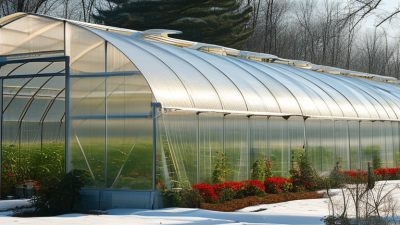
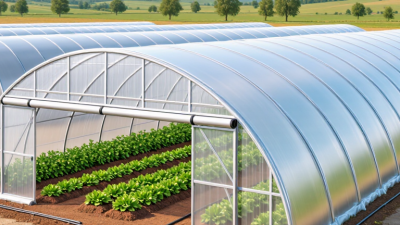
A tunnel greenhouse, often called a high tunnel, is a crop-growing structure covered with plastic film and supported by hoops or frames. It usually relies on sunlight and natural ventilation rather than permanent heating or cooling. Crops grow directly in the soil, and growers raise or roll up sidewalls to manage airflow. That distinction matters.
A conventional greenhouse is generally designed for tighter environmental control. It may use heaters, fans, automated vents, shade screens, benches, or hydroponic systems. These features can support more precise temperature and humidity management, but they add equipment and operating demands. The boundary is not absolute: some greenhouses are simple, and some tunnels include supplemental heat.
USDA’s 2017 Census of Agriculture recorded 5,434 farms using high tunnels, showing that this structure is a recognized production method, not merely a backyard shelter. The figure counts farms, not individual tunnels or acreage. A tunnel extends the growing season by shielding plants from wind, heavy rain, and some cold, while sunlight still drives growth. It does not provide the same dependable climate control as a fully equipped greenhouse. On a warm afternoon, a closed tunnel can heat quickly, so ventilation needs regular attention. Sources: USDA National Agricultural Statistics Service, 2017 Census of Agriculture; USDA Natural Resources Conservation Service, High Tunnel System guidance.
Core Structure: Frames, Polyethylene Cover, Anchors, and Ventilation Openings
What Is a Tunnel Greenhouse and How Does It Work?
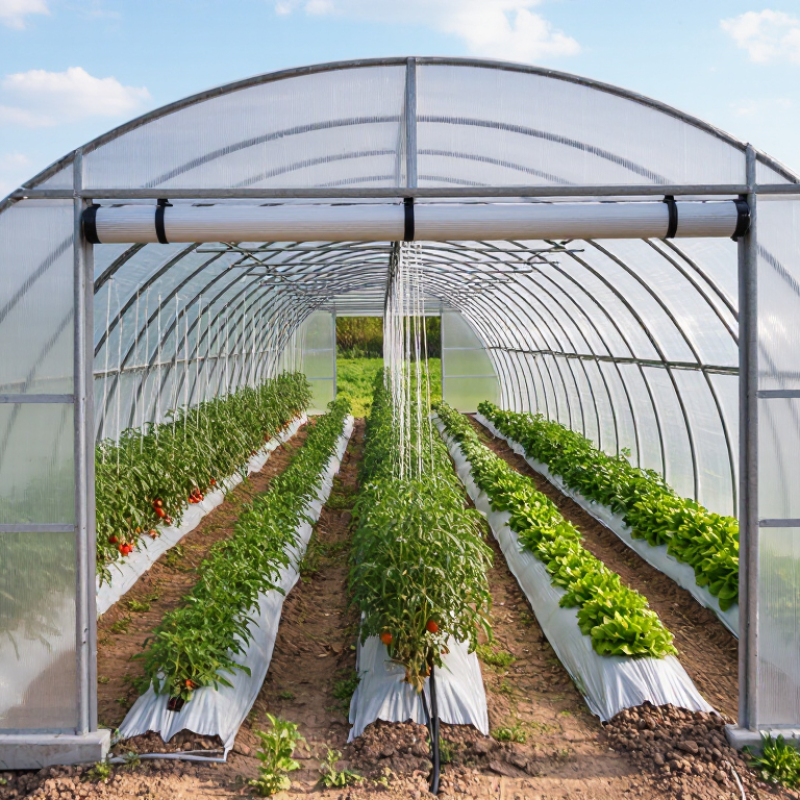
A tunnel greenhouse uses a series of curved frames to create a sheltered growing space. The frames are commonly made from galvanized steel or sturdy plastic tubing. Their spacing affects how well the structure handles wind and the weight of the cover. A polyethylene sheet stretches over the frame, allowing sunlight in while reducing exposure to rain and cold air. It is simple, but not maintenance-free.
Anchors secure the frame to the ground and help resist wind uplift. Their type and depth should suit the soil; loose, wet ground may need extra attention. Ventilation openings, often at the sides or ends, let warm air escape and bring in fresh air. On a sunny day, temperatures inside can rise quickly, even when outdoor air feels cool. Opening vents gradually helps avoid a sudden temperature change for plants.
Tips: Check the cover for tears after strong wind, and keep it taut without overstretching. Make sure doors and side openings can be secured when gusts pick up. I have found that small gaps matter more than expected, though the best venting pattern depends on local weather and the crops inside.
Typical Sizes (USDA NRCS): 6–17 ft High, 12–30 ft Wide, 20–96 ft Long
A tunnel greenhouse, often called a high tunnel, is a frame covered with greenhouse film. Sunlight warms the sheltered space, while the covering helps protect crops from wind, rain, and cool nights. Many tunnels use roll-up sides and end doors to manage airflow without powered climate systems. USDA NRCS materials describe typical dimensions of 6–17 feet high, 12–30 feet wide, and 20–96 feet long. These are planning ranges, not a guarantee that every size fits every site. Scale matters.
A 12-foot-wide tunnel may hold a few beds and a central path; a wider structure can leave room for equipment or extra walkways. Height affects headroom, heat buildup, and the crops you can grow. Length adds growing space, but can make even ventilation and watering harder to manage. Good airflow matters. Before settling on dimensions, check drainage, wind and snow exposure, and applicable NRCS specifications, which may vary by location. The figures look tidy on paper. Real sites are less tidy: a gate, low spot, or prevailing wind can change the layout. Leave space to move, open doors, and maintain the covering.
What Is a Tunnel Greenhouse and How Does It Work? — Typical Sizes (USDA NRCS): 6–17 ft High, 12–30 ft Wide, 20–96 ft Long
| Topic |
Typical Details |
How It Works or What to Consider |
| Structure |
A tunnel greenhouse is a covered growing structure, commonly built with repeated curved ribs or hoops. |
The frame supports a covering that helps shelter crops from wind, rain, and some temperature fluctuations. |
| Typical height |
6–17 ft |
Clearance depends on the structure’s design. Greater height can provide more room for tall crops and overhead air movement. |
| Typical width |
12–30 ft |
Width affects usable growing area, side access, and how air moves through the growing space. |
| Typical length |
20–96 ft |
Length can be selected to suit the site and production needs; longer tunnels require attention to access and ventilation. |
| Illustrative footprint: smaller example |
12 ft wide × 20 ft long = 240 sq ft |
Footprint is calculated as width multiplied by length. This is an example, not a required standard configuration. |
| Illustrative footprint: larger example |
30 ft wide × 96 ft long = 2,880 sq ft |
Actual usable growing area may be less than the footprint because of paths, work areas, and equipment. |
| Sunlight and warmth |
Light passes through the covering and warms the soil and growing space. |
The covering can help extend the growing season, but temperatures still vary with sunlight, weather, and ventilation. |
| Ventilation |
Air exchange may be managed with roll-up sides, end openings, doors, or other vents. |
Opening the tunnel helps release excess heat and moisture. Ventilation needs change with weather and crop conditions. |
| Covering and frame |
Many tunnels use a flexible greenhouse covering over a supporting frame. |
Covering type, frame materials, anchoring, and maintenance depend on the site, design, and local conditions. |
| Environmental control |
A tunnel typically relies on passive solar heating and natural or manually managed ventilation. |
Unless additional systems are installed, it does not provide the same level of automated temperature and humidity control as a fully conditioned greenhouse. |
Note: The dimensions shown are typical ranges stated in the title. They describe possible size ranges, not a single standard design; suitability depends on the site, crops, climate, and structural requirements.
How It Works: Solar Heat Gain, Passive Ventilation, and Soil-Based Crop Growth
A tunnel greenhouse uses a curved frame covered with clear plastic to capture sunlight. Light passes through the cover and warms the soil, plants, and air inside. The soil stores some of that heat, then releases it slowly after sunset. On a bright day, temperatures can climb quickly, even when outdoor air feels cool. A thermometer near plant height gives more useful information than guesswork. A tunnel is not a set-and-forget system.
Passive ventilation moves heat without fans. Opening the sides or end doors lets warmer air escape while cooler air enters. Because warm air rises, high openings can help release heat efficiently. Still, airflow depends on wind, tunnel size, and how widely openings are raised. On a calm day, temperatures may remain high despite an open door. Check crops for wilting, and ventilate before leaves show stress.
Crops grow directly in prepared soil beds, where roots can access water and nutrients. Adding mature compost can improve soil structure, but excessive watering may leave roots short of oxygen. Drip lines or careful hand-watering help keep moisture near the root zone. Leave paths wide enough to reach plants and inspect leaves. Small details matter. The protected space can extend the growing season, but it cannot reliably prevent frost or overheating without attentive management.
Daily Management: Temperature, Irrigation, and Seasonal Weather Protection
A tunnel greenhouse buffers wind and rain, but it can overheat quickly on sunny days. For tomatoes, Penn State Extension guidance places favorable daytime temperatures around 70–85°F. Open sidewalls or roll-up vents before the canopy wilts; a thermometer at leaf height gives better readings than one near the roof. Nights need attention too. Close vents before cold air settles, while avoiding trapped humidity that encourages disease.
Irrigation should respond to root-zone moisture, not a fixed calendar. Check soil several inches below the surface, especially near the bed center, where dry patches can hide. FAO’s Good Agricultural Practices for Greenhouse Vegetable Crops (2013) describes protected cultivation as capable of reducing water demand by roughly 30% compared with open-field growing, though results vary with crop and ventilation. Drip lines help deliver water near roots. Small, frequent checks matter.
Seasonal weather still finds a way in. Secure doors before strong winds, clear drainage channels ahead of heavy rain, and keep frost cloth ready for sudden cold snaps. NOAA’s 1991–2020 Climate Normals offer local temperature and precipitation baselines for planning planting dates, but a nearby station cannot predict every tunnel’s conditions. One common mistake is waiting too long to vent. I’d still check the forecast twice.