Top 10 Professional Greenhouse Solutions for Global Buyers?
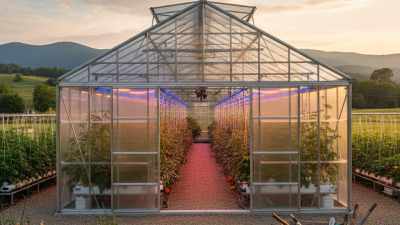
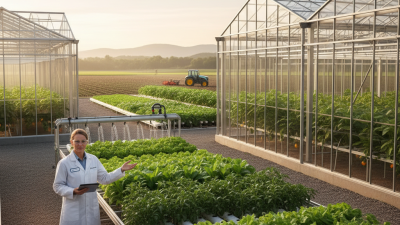
As the demand for sustainable agriculture increases, professional greenhouse solutions are becoming essential for global buyers. According to a report by MarketsandMarkets, the global greenhouse market is projected to reach $41.6 billion by 2026, growing at a CAGR of 9.3%. These figures highlight the growing reliance on technology in agriculture. Professional greenhouses offer controlled environments that optimize plant growth while minimizing resource use.
Investing in professional greenhouse systems not only increases yields but also reduces environmental impact. A report from the Food and Agriculture Organization (FAO) states that greenhouses can improve water efficiency by up to 90%. However, it's crucial to choose the right system and technology. Many options exist, and each has its unique benefits and drawbacks. Buyers need to assess their specific needs, budgets, and local conditions critically.
While the advantages of professional greenhouses are clear, challenges remain. High initial costs and ongoing maintenance can deter potential users. Understanding these challenges is essential for informed decision-making. Each solution requires careful consideration to align with sustainability goals while ensuring economic viability. Thus, exploring the top professional greenhouse solutions is vital for anyone looking to thrive in modern agriculture.
Understanding the Importance of Greenhouse Solutions for Global Buyers
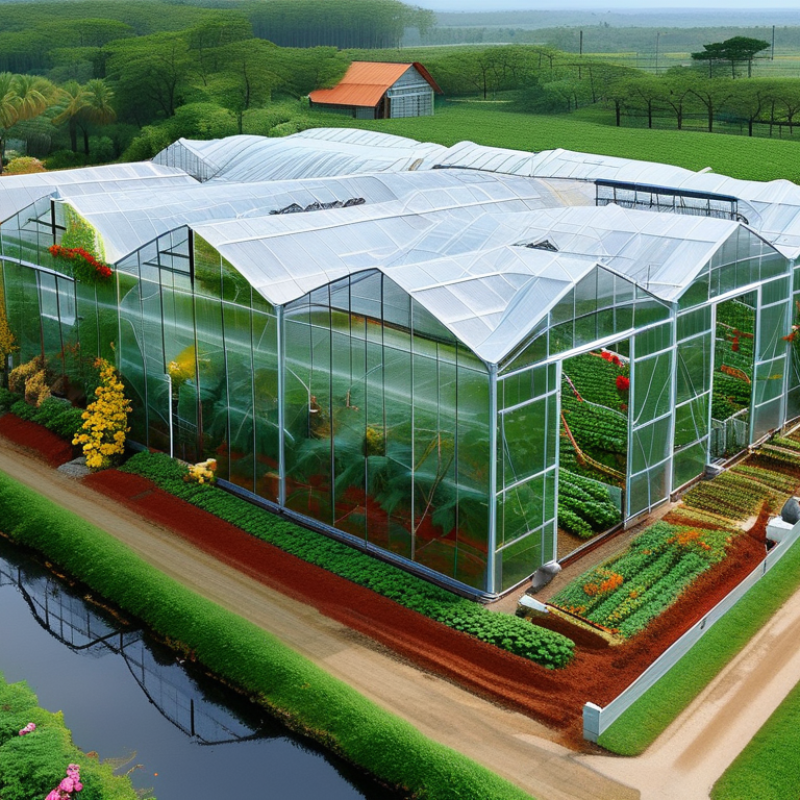
Greenhouse solutions play a vital role in modern agriculture. For global buyers, understanding these solutions is crucial. They can significantly boost crop production and ensure sustainable practices. Moreover, adopting effective greenhouse techniques can help reduce environmental impact. Buyers need to consider multiple factors, such as climate, available technology, and crop types.
When selecting greenhouse solutions, focus on efficiency. Assess the energy consumption of different systems. Look for designs that optimize natural light. This can reduce heating costs and improve plant growth. Consider also the materials used in construction. High-quality materials can ensure longevity and minimize repairs.
However, not all solutions suit every situation. Some might seem attractive but may not perform well in specific climates. Evaluate the local environment and choose accordingly. Be flexible and ready to adapt your strategy if the initial choice does not yield desired results. Pay attention to customer feedback and ongoing research. Continuous learning is essential to staying ahead in greenhouse technology.
Top 10 Professional Greenhouse Solutions for Global Buyers
This bar chart illustrates the top 10 greenhouse solutions based on their market share in the global market. Understanding these solutions can help buyers make informed choices when investing in greenhouse technology.
Key Features to Consider When Choosing Professional Greenhouse Solutions
When selecting a professional greenhouse solution, consider several key features. Climate control is paramount. The ability to regulate temperature and humidity significantly impacts crop productivity. Look for systems that offer precise environmental management. Automated control systems can efficiently maintain these conditions, enhancing growth and reducing labor costs.
Another important aspect is the structural integrity of the greenhouse. Durability matters. Materials should endure various weather conditions. Glass, polycarbonate, and high-quality plastics each have their pros and cons. Assess the local climate to choose the best option. This decision affects the longevity of your investment.
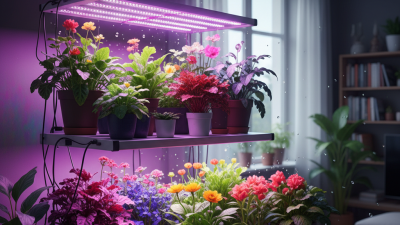
Lighting solutions are equally essential. Natural light is crucial, but supplemental lighting can significantly enhance yield. LED systems are energy-efficient and can be adjusted to the plants' needs. Reflective surfaces can further amplify light distribution. However, integrating these technologies can be complex. A well-planned layout can counter that, yet experimentation might be necessary to optimize the setup.
Top 10 Professional Greenhouse Solutions for Global Buyers
| Model |
Size (sq ft) |
Material |
Ventilation Type |
Climate Controlled |
Price Range (USD) |
| Model A |
200 |
Polycarbonate |
Automatic |
Yes |
$5,000 - $7,000 |
| Model B |
300 |
Glass |
Manual |
No |
$6,000 - $9,000 |
| Model C |
500 |
Polyethylene |
Automatic |
Yes |
$10,000 - $12,000 |
| Model D |
400 |
Glass |
Automatic |
Yes |
$8,000 - $11,000 |
| Model E |
350 |
Polycarbonate |
Manual |
No |
$4,500 - $6,500 |
Top 10 Greenhouse Solutions: A Comprehensive Evaluation and Comparison
When evaluating greenhouse solutions, many factors come into play. The choice of materials, technology, and environmental impact all matter. Understanding these aspects can help buyers make informed decisions.
Temperature control is a key factor. A good greenhouse maintains optimal conditions for plant growth. Humidity levels should also be monitored closely. Consider using advanced sensors that ensure precise measurements. Yet, some may overlook the complexity these technologies introduce. It requires proper training for effective usage.
Tips: Always assess the space available for installation. Depending on your location, the type of greenhouse that works best may vary. Additionally, do thorough research on local climate conditions. Sometimes, what works in one region may not perform well in another.
Moreover, sustainable practices should not be ignored. Rainwater harvesting systems can optimize resource usage. Still, implementing such solutions can be challenging for some buyers. Reflecting on long-term benefits versus initial costs is essential. Make sure to weigh the pros and cons carefully. The right solution should balance efficiency with practical accessibility.
Innovative Technologies in Greenhouse Solutions: Trends and Developments
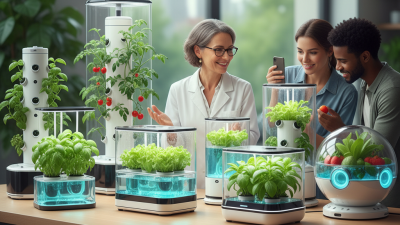
Innovative greenhouse technologies are changing agriculture. These solutions focus on sustainability and efficiency. For example, vertical farming is gaining popularity. It maximizes space and reduces water usage. This method uses LED lighting to enhance growth cycles. The result is more produce in less time.
Automation plays a crucial role in modern greenhouses. Smart sensors monitor temperature, humidity, and nutrient levels. This data helps growers make informed decisions. Automated systems can regulate irrigation, saving both time and resources. However, reliance on technology poses challenges. Technical failures can disrupt operations and impact yield.
Sustainable materials are also transforming greenhouse construction. Biodegradable plastics and recycled metals reduce the environmental footprint. Yet, these materials may not always perform as expected. Testing and evaluation are necessary to ensure longevity. Knowledge of these new materials is vital for growers. This understanding can lead to better choices in construction and plant health.
Sustainable Practices in Greenhouse Solutions for Environmentally-Conscious Buyers
As demand for sustainable agriculture increases, greenhouse solutions have become pivotal. Innovative practices within greenhouses can significantly reduce environmental impacts. Using renewable energy sources for temperature regulation is one key area. Solar panels on greenhouse roofs harness sunlight, minimizing reliance on fossil fuels. These measures not only lower carbon footprints but also reduce operating costs for growers.
Water conservation is another crucial aspect. Implementing drip irrigation systems ensures minimal water waste, optimizing plant hydration. Rainwater harvesting systems can catch and store natural precipitation for future use. While these strategies show promise, challenges remain. Not all growers have access to the necessary technology or information. This can create disparities in sustainable practices among farmers.
Organic growing materials, such as biodegradable pots and natural pest repellents, contribute to healthier ecosystems. However, sourcing these materials might not always be cost-effective. Knowledge sharing among farmers can bridge these gaps. Community workshops could foster collaboration and innovation. By focusing on sustainable practices, growers can meet market demands while caring for the environment.