Best Hydroponic Setup for Beginners in 2026?
As hydroponics continues to revolutionize agriculture, finding the best hydroponic setup for beginners in 2026 is essential. The global hydroponics market was valued at approximately $9.5 billion in 2021 and is projected to reach $16 billion by 2026, reflecting a 10% compound annual growth rate (CAGR). This trend indicates strong interest and investment in hydroponic systems, highlighting their growing importance in sustainable farming.
For beginners, selecting the right hydroponic setup can be overwhelming. Many new growers quickly discover that not all systems yield the same results. Factors such as space availability, plant types, and budget constraints play crucial roles. A keen understanding of these variables can significantly enhance the cultivation experience. However, novice growers often overlook critical details, leading to frustration and wasted resources.
Moreover, industry reports suggest that approximately 30% of first-time hydroponic growers abandon their setups within the first year. This statistic emphasizes the need for comprehensive guides tailored to beginners. By integrating practical advice and reliable data, aspiring hydroponic gardeners can navigate initial challenges. Making informed choices is crucial to ensure success in this innovative agricultural method.
Understanding Hydroponics: A Beginner's Overview
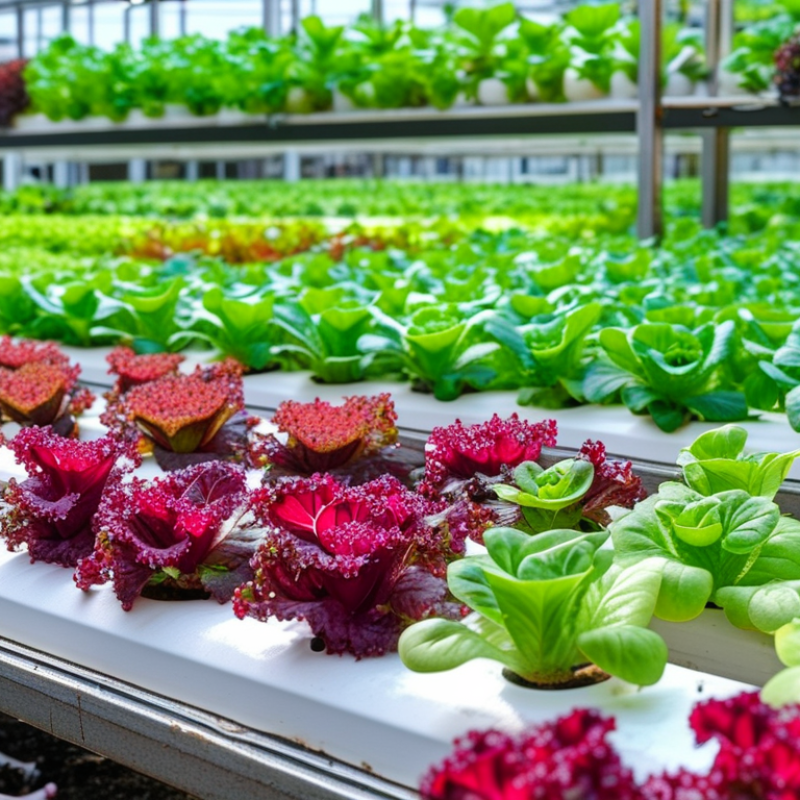
Hydroponics offers a unique way to grow plants without soil. This method relies on nutrient-rich water. It eliminates many common gardening challenges. Beginners often find hydroponics intriguing due to its efficiency. Plants can grow faster. Additionally, space is maximized, making it ideal for small areas.
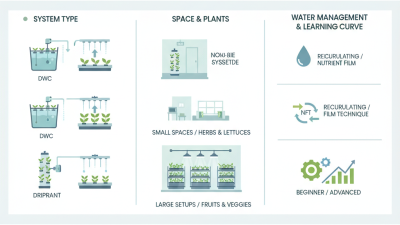
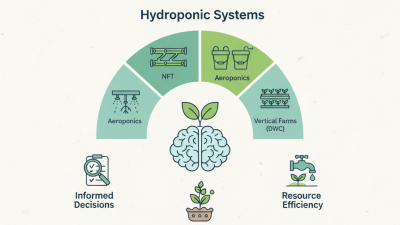
Understanding the fundamentals is crucial. Various systems exist, including Deep Water Culture and Nutrient Film Technique. Each has its pros and cons. Beginners might struggle with nutrient balance. Water quality must be monitored regularly. Too much or too little can harm plant health. Learning these specifics takes time.
Patience is essential in hydroponics. Many new growers face initial failures. Some plants don’t thrive as expected. Experimenting with light and pH levels can lead to better results. It’s a continuous learning process. The joy of successfully growing fresh herbs or vegetables is worth the effort.
Best Hydroponic Setup for Beginners in 2026
| Setup Type |
Best Plants |
Light Requirements |
Watering Frequency |
Difficulty Level |
| Deep Water Culture (DWC) |
Lettuce, Herbs |
Moderate |
Weekly |
Easy |
| Nutrient Film Technique (NFT) |
Strawberries, Greens |
High |
Daily |
Moderate |
| Ebb and Flow |
Bell Peppers, Tomatoes |
High |
Every 2-4 Days |
Intermediate |
| Aeroponics |
Basil, Mint |
Very High |
Multiple Times a Day |
Advanced |
| Wick System |
Chives, Spinach |
Low |
Weekly |
Easy |
Key Components of an Effective Hydroponic System
Creating a successful hydroponic setup as a beginner requires understanding the key components of an effective system. Essential components include a
nutrient reservoir, grow lights, and a
growing medium. Research indicates that plants grown hydroponically can yield up to
30% more than soil-grown plants. This data emphasizes the efficiency of hydroponics,
especially for novice gardeners.
Selecting the right nutrient solution is crucial. Hydroponic systems rely on
water-soluble fertilizers. It’s important to monitor pH levels, keeping them between
5.5 and 6.5 for optimal nutrient absorption. Well-balanced nutrients lead to healthier plants and better yields.
Tip: Start small with easy-to-grow plants like lettuce or herbs. They adapt well to hydroponic systems and provide quick results. Also, invest in a reliable grow light.
LED lights are energy-efficient and provide the right spectrum for growth. Remember, the setup can feel overwhelming initially. It's an opportunity to learn
and adjust your approach as you gain experience.
Experimentation is key in finding what works best for your setup.
Choosing the Right Hydroponic Setup for Your Space
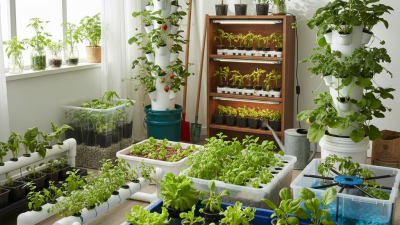
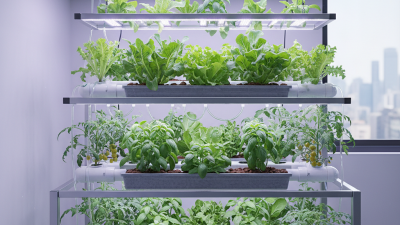
Choosing the right hydroponic setup for your space is essential for maximizing your plant growth potential. In 2022, the global market for hydroponic systems was valued at over $2.5 billion, and it continues to grow. Beginners should assess their available space carefully. For small apartments, systems like vertical hydroponics can be highly effective. Vertical setups utilize less ground space while providing ample light and nutrients to each plant.
Consider the environmental factors impacting your setup. A well-ventilated area ensures healthy plant growth, reducing humidity and preventing mold. Temperature control is also crucial; most plants thrive in a range of 70°F to 80°F. According to a study from the American Society of Horticultural Science, consistent temperatures can boost yield by up to 20%. However, it is important to regularly check and adjust these factors, as they can fluctuate daily.
Hydroponic systems require an initial investment, which can be intimidating. A key aspect is understanding the different types available, such as nutrient film technique (NFT) or deep water culture (DWC). Each has its pros and cons, and what works for one space may not work for another. Regular monitoring and adjustment of nutrient levels is crucial. This process might seem daunting, but with patience and practice, it becomes easier.
Essential Nutrients and Water Quality for Hydroponics
Hydroponics is a growing trend among new gardeners, but knowing the essential nutrients and water quality is crucial for success. A recent industry report states that the right nutrient mix can increase yields by up to 30%. Key nutrients include nitrogen, phosphorus, potassium, and magnesium. These elements help plants grow strong and healthy. Maintaining proper nutrient levels is vital. Too much or too little can stunt growth or cause deficiencies.
Water quality cannot be overlooked. Ideal pH for hydroponics ranges from 5.5 to 6.5. Using water outside this range can lead to nutrient lockout. It's recommended to test water regularly. Experts suggest using reverse osmosis water for optimal purity. However, keep in mind that not all tap water may be bad. Some may contain beneficial minerals.
Tips: Regularly check nutrient solutions for balance. This helps prevent plant stress. Experiment with different nutrient formulations to determine which best suits your plants. Monitoring water temperature is essential too. Ideally, it should stay between 65°F and 75°F. Warmer water can hold less oxygen, impacting plant health. If problems arise, don’t hesitate to adjust your setup based on the specific needs of your plants. Remember, trial and error is part of the learning process.
Hydroponic Nutrient Ratios for Beginner Setups
This bar chart illustrates the essential nutrient ratios required for beginner hydroponic setups. Understanding these nutrient levels is crucial for ensuring healthy plant growth in hydroponic systems.
Maintenance Tips for a Successful Hydroponic Garden
Maintaining a hydroponic garden can seem daunting for beginners, but some simple tips can help. Regular monitoring of nutrient levels is crucial. An imbalance can stunt plant growth. Keeping a schedule for nutrient solutions can prevent this issue. Check the pH levels weekly; they should be between 5.5 and 6.5 for optimal growth.
Lighting plays a vital role in hydroponics. Position lights about 12 to 24 inches above your plants. Ensure consistent light exposure for at least 12 hours a day. However, note that too much light can cause leaf burn. Adjusting the distance of the lights may be necessary.
Cleaning your system should not be overlooked. Algae can grow quickly in hydroponic setups. Therefore, wipe down surfaces regularly. A deep clean every few weeks can also prevent clogs in the water system. Remember, observing your plants helps. Take notes on their growth patterns and any issues you encounter. This can guide your future maintenance efforts.