Top 10 Benefits of Using LED Grow Lights for Indoor Plants?

Indoor gardening has gained popularity in recent years. Many plant enthusiasts are turning to LED grow lights. These lights offer a range of benefits that enhance plant growth and health.

LED grow lights are energy-efficient and produce minimal heat. This allows for a closer placement to plants without the risk of burning them. They provide a full spectrum of light, mimicking natural sunlight. This spectrum supports photosynthesis, which is essential for healthy plant growth.

Using LED grow lights can also save on electricity bills. They consume less power compared to traditional grow lights. However, not all LED lights are created equal. Some may lack the essential wavelengths that plants need. It's crucial to research and choose high-quality products. The right LED grow lights can lead to substantial improvements in your indoor garden. You may find vibrant colors and stronger plants that thrive under the ideal conditions these lights provide.
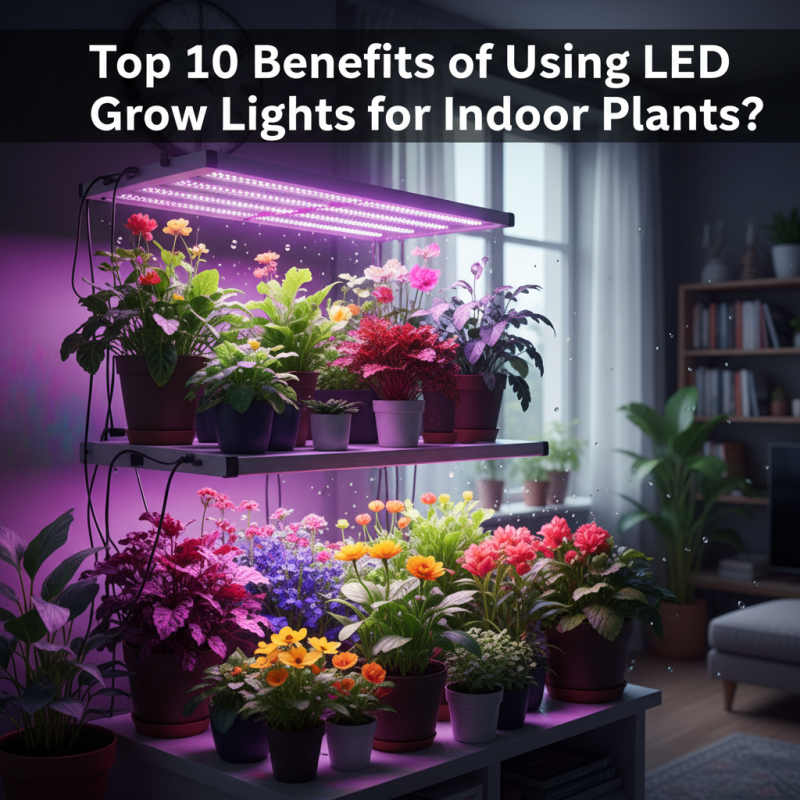
Top 10 Benefits of Using LED Grow Lights for Indoor Plants?

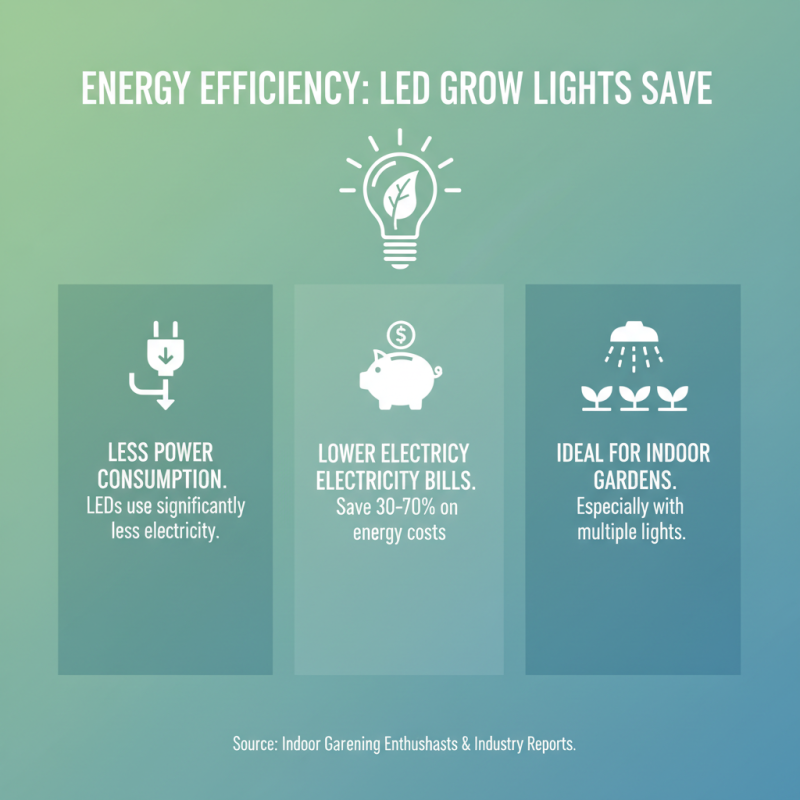
Benefits of Energy Efficiency: How LED Grow Lights Save on Power Bills
Top 10 Benefits of Using LED Grow Lights for Indoor Plants?

Using LED grow lights for indoor plants has become increasingly popular. One of the critical advantages is energy efficiency. These lights consume significantly less power than traditional options. This reduction in energy use directly translates to lower electricity bills. Many gardeners report savings ranging from 30% to 70% on their energy costs when switching to LEDs. This efficiency is especially beneficial for indoor gardeners who operate multiple lights.

The technology behind LED grow lights allows them to emit specific spectrums of light. This means plants receive the exact wavelengths they need for photosynthesis. Unlike conventional grow lights, LEDs generate less heat. This aspect is crucial because lower heat output means less energy wasted. However, some users struggle with light placement and intensity adjustments. It’s vital to find the right balance for your plants.

While LED lights are praised for their efficiency, they can be complex. Not every type of LED is suitable for all plants. Research and understanding are necessary to maximize their benefits. Experimentation is often needed to find the optimal setup. Over time, many indoor gardeners find themselves more confident. The initial challenges of using LED lights can lead to richer, healthier plants and more enjoyable gardening experiences.
Optimal Light Spectrum: Enhancing Photosynthesis for Indoor Plants

LED grow lights are rapidly transforming indoor gardening. They provide an optimal light spectrum that enhances photosynthesis. Research shows plants thrive under specific wavelengths, particularly in the red and blue ranges. Studies indicate that red light promotes flowering, while blue light supports vegetative growth.

When choosing LED lights, consider the spectral output. A balanced spectrum mimics natural sunlight, leading to healthier plants. As reported by the Journal of Horticultural Science, plants under LED lights can grow up to 30% faster than under traditional lighting. This rapid growth may be a result of increased chlorophyll production, which boosts photosynthesis.

**Tip:** Regularly assess how your plants react to different light settings. Monitor changes weekly to find the ideal spectrum. Small adjustments can significantly impact plant health.

Be mindful of how distance and light intensity affect growth. LEDs emit focused light, and too much can stress the plants. Aim for 12 to 24 inches between lights and leafy tops. A careful approach can enhance your indoor garden's success.

Top 10 Benefits of Using LED Grow Lights for Indoor Plants

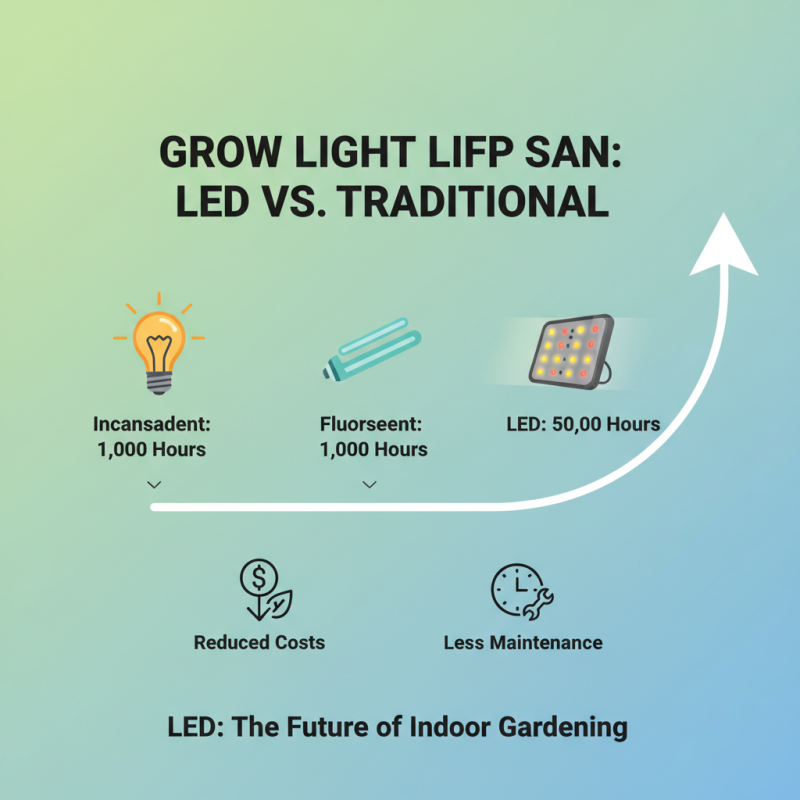
Longevity of LED Grow Lights: Extended Lifespan Compared to Traditional Bulbs

Top 10 Benefits of Using LED Grow Lights for Indoor Plants?

LED grow lights have revolutionized indoor gardening, primarily due to their extensive lifespan. According to recent industry reports, LED lights can last up to 50,000 hours. This is significantly longer than traditional incandescent or fluorescent bulbs, which typically last about 1,000 and 10,000 hours, respectively. This superior longevity translates into substantial savings for indoor gardeners over time. Reduced replacement frequency means less hassle and lower operational costs, making LED lights a preferred choice.

Moreover, the efficiency of LED technology further enhances their reliability. They emit light in specific wavelengths that plants require for photosynthesis. This is not only beneficial for plant growth but also contributes to energy savings. Studies show that LED grow lights use up to 75% less energy than traditional lighting, which can drastically lower electricity bills. As gardeners consider their options, the longevity and efficiency spotlight the practical advantages of LEDs. However, some may face initial costs that seem high. This concern raises questions about the short-term investment versus long-term benefits.

Ultimately, the durability of LED grow lights aids those who want a sustainable gardening approach while delivering optimal plant growth. Yet, it remains essential for buyers to weigh their unique circumstances against these advantages.

Heat Reduction in Indoor Growing: Maintaining Ideal Temperatures for Plants

When growing indoor plants, managing temperature is crucial. LED grow lights are efficient at providing the necessary spectrum for plant growth. Unlike traditional lights, LEDs produce less heat. This cooling effect is significant for maintaining an optimal environment. If the temperature is too high, plants may suffer stress. Heat stress can lead to stunted growth and reduced yields.

LEDs can keep your growing area comfortable. Plants thrive best between 70-85°F during the day. If lights generate excessive heat, it can push temperatures beyond this range. This may require additional ventilation or air conditioning. However, with proper LED use, you can avoid these complications. The ability to maintain stable temperatures creates healthier growing conditions.

It's important to monitor both light and temperature. Using a thermometer near your plants helps ensure they remain in the ideal range. In some cases, adjusting the height of LED lights can reduce heat exposure. Experimenting with placement and intensity can lead to better results. Learning through trial and error is part of the process. Embrace the journey of indoor gardening and adapt as needed.

Top 10 Benefits of Using LED Grow Lights for Indoor Plants

Benefit Description Impact on Temperature
Energy Efficiency LED grow lights consume less energy compared to traditional lighting. Lower energy consumption results in less heat generated.
Heat Reduction Emit less heat, minimizing the risk of overheating plants. Helps maintain stable temperature levels.
Full Spectrum Provides a full spectrum of light, promoting healthy plant growth. Enables optimal photosynthesis at lower temperatures.
Long Lifespan Last longer than conventional lights, reducing replacement costs. Consistent performance without excess heat over time.
Directionality Light can be directed specifically to the plants, maximizing efficiency. Reduces wasted light and subsequent heat.
Reduced Watering Needs Lower heat decreases evaporation, thus reducing watering frequency. Helps maintain soil moisture better.
Low Maintenance Require less maintenance due to their durability. Less maintenance results in fewer temperature fluctuations.
Cost-Effectiveness Saves money on energy bills over time. Maintains stable growing conditions, reducing the cost of heating.
Environmentally Friendly Lower carbon footprint due to energy efficiency. Contributes to maintaining a balanced indoor climate.
Quick Growth Encourages faster growth rates due to optimal light conditions. Promotes quicker maturity with consistent temperature.

Cost-Effectiveness: Initial Investment vs. Long-Term Savings with LED Technology

LED grow lights have gained popularity among indoor gardeners, especially due to their cost-effectiveness. While the initial investment in LED technology might seem high, the long-term savings are noteworthy. Unlike traditional lighting, LEDs consume far less energy. This reduction in electricity costs adds up significantly over time, allowing gardeners to allocate funds to other essential supplies.

Expect to see lower energy bills after making the switch. It's essential to calculate your energy costs before and after using LED lights. This will help you understand the savings over time. A study showed that shifting to LEDs can cut energy usage by up to 50%.

Choosing the right LEDs is crucial. Not all grow lights are equal. Look for those with a high energy efficiency rating. They might be more expensive initially but will pay off in the long run. Keep an eye on plant growth; if plants look healthy and vibrant, it's a solid sign that your investment is worth it.