Why Choose Fertigation Systems for Your Agricultural Needs?
In modern agriculture, efficiency and sustainability are paramount. Fertigation systems are emerging as a vital solution for farmers aiming to optimize crop yields. These systems combine fertilization and irrigation, providing plants with the nutrients they need while conserving water. By delivering nutrients directly to the root zone, fertigation systems enhance nutrient uptake and reduce waste.
The integration of fertigation systems can significantly improve farming practices. They allow precise control over nutrient delivery, catering to specific crop requirements. This targeted approach minimizes the risk of over-fertilization. However, it's essential to acknowledge that implementing these systems requires investment and training. Farmers must navigate potential challenges in system management and maintenance.
Despite the complexities, the benefits of fertigation systems are clear. They promote healthier crops and improve soil quality over time. Adopting these innovative systems can help farmers meet the growing global food demands sustainably. Embracing fertigation may not be straightforward, but the rewards can lead to significant advancements in agricultural practices.
Understanding Fertigation: Definition and Importance in Agriculture
Fertigation is a technique that combines irrigation and fertilization. It allows farmers to deliver nutrients directly to plant roots through the irrigation system. This targeted approach improves the efficiency of nutrient uptake. According to a report by the International Society for Horticultural Science, using fertigation can increase crop yields by up to 30%. This method minimizes nutrient runoff, which is crucial for sustainable farming practices.
The importance of fertigation in agriculture cannot be overstated. It reduces labor costs and time spent on manual fertilization. A study from the Agricultural Research Service revealed that fertigation can lead to 20% savings in water usage compared to traditional methods. While the benefits are clear, implementing a fertigation system does require initial investment and technical knowledge. Farmers need to carefully consider their soil types and crop requirements.
Despite its advantages, fertigation poses challenges. Over-fertilization can occur if proper calibration isn’t practiced. Monitoring nutrient levels is essential for success. This balance is vital in avoiding nutrient leaching and ensuring plant health. As the agricultural landscape evolves, understanding and adopting fertigation remains crucial for enhancing productivity and sustainability.
The Advantages of Fertigation Systems Over Traditional Methods
Fertigation systems offer distinct advantages over traditional fertilization methods in agriculture. These systems deliver nutrients directly to the root zone through irrigation. This targeted approach enhances nutrient uptake and reduces waste. Farmers can achieve better crop yields with lower amounts of fertilizers. It also minimizes nutrient runoff, which is beneficial for the environment.
The ease of managing fertigation systems is another major benefit. They allow for precise control over nutrient application. This precision means less guesswork for farmers. Regular monitoring can lead to more informed decisions about nutrient needs. However, the initial setup may seem complex and requires careful planning. Not all farms may have the resources to implement such systems effectively.
Efficiency is a key aspect of fertigation. Water and nutrients are used more sparingly, promoting sustainable practices in agriculture. Yet, the system's success largely depends on proper management and understanding of crop needs. Farmers often find themselves needing to adapt to new technologies. This transition can be challenging but ultimately rewarding with the right approach.
Key Components of Effective Fertigation Systems
Fertigation systems have become essential in modern agriculture, allowing for precise nutrient delivery. Their key components include a reliable irrigation system, a nutrient management plan, and monitoring equipment. Each part plays a vital role in ensuring that crops receive the right nutrients at the right time.
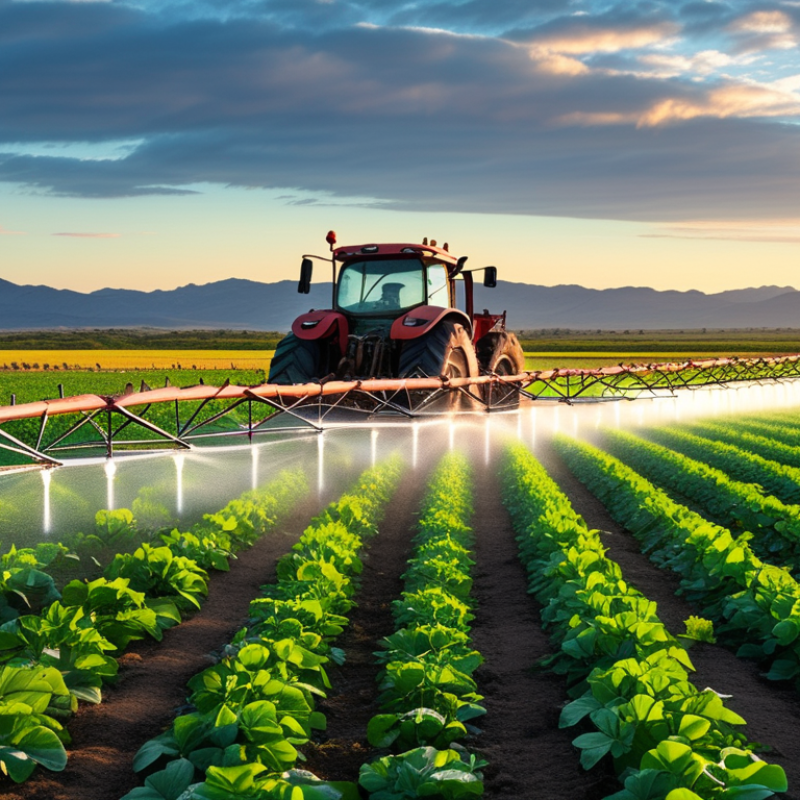
A well-designed irrigation system serves as the backbone. It must provide uniform water distribution across the fields. Drip and pivot systems are popular choices. Each has its own advantages, depending on the crop and field size. However, farmers often overlook regular maintenance. Clogged emitters can lead to uneven watering, which impacts crop health.
Nutrient management is another crucial aspect. Farmers should analyze soil conditions regularly and adjust fertilizer types accordingly. While many use preset formulas, every field is unique. Customizing the nutrient mix can prove beneficial. Monitoring systems facilitate this by providing data on soil moisture and nutrient levels. Yet, reliance on technology can lead to complacency. Farmers need to stay engaged and periodically reassess their systems to ensure optimal performance.
Best Practices for Implementing Fertigation in Crop Cultivation
Implementing fertigation in crop cultivation can significantly enhance the efficiency of nutrient delivery. One best practice involves precisely calculating the nutrient requirements for each crop type. This calculation ensures that plants receive the right amounts at the right times. However, determining the optimal rates can be challenging. It may require trial and error, which can lead to over-fertilization or nutrient deficiencies initially.
Another important aspect is the maintenance of fertigation equipment. Regular checks and cleaning can prevent blockages and ensure even nutrient distribution. Farmers should be cautious here. Neglecting maintenance can lead to uneven growth among plants. Additionally, monitoring soil moisture levels is essential. Overwatering can result in nutrient leaching—a significant waste of resources.
Finally, integrating fertigation with local weather patterns enhances its effectiveness. Using data from local forecasts helps farmers adjust their fertigation schedules. This helps to optimize water use and nutrient absorption. Many growers face challenges with synchronizing these variables. It's crucial to remain adaptable and continually assess the system's performance. This reflective practice can lead to improved outcomes in the long run.
Environmental Impact and Sustainability of Fertigation Use
Fertigation systems integrate fertilization with irrigation, creating efficient agricultural practices. One of the significant benefits is their reduced environmental impact. With precise nutrient delivery, farmers can lower the risk of chemical runoff. This method allows for optimal nutrient use while minimizing pollution to surrounding ecosystems.
Sustainability is enhanced through accurate application rates. Farmers can adjust the fertigation based on soil and crop needs. This avoids over-fertilization, which harms soil health and the local environment. Proper monitoring leads to responsible farming, benefiting both yields and the planet.
Consider these practical strategies. Use sensors to monitor soil moisture and nutrient levels, ensuring plants receive what they need. Regularly test water and soil for their chemical composition. This helps refine your fertigation strategy. Always look for opportunities to improve and adapt your methods. Reflect on past practices to make informed choices for future crops.