Top 10 Hydroponic Kits for Every Beginner to Grow Plants?
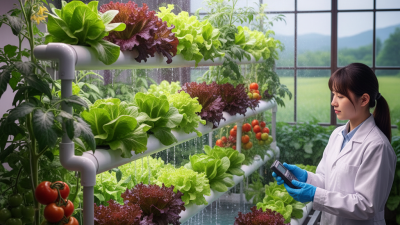
Hydroponic gardening has become increasingly popular among beginners. These systems allow you to grow plants without soil, providing numerous benefits. Using a hydroponic kit can be a game-changer for those wanting to cultivate their own herbs and vegetables at home. Each kit offers different features and levels of complexity, catering to various needs.
Beginners often feel overwhelmed by their options. Choosing the right hydroponic kit is crucial for success. Some kits are simple and user-friendly, while others require more experience and equipment. Being informed about what each kit offers can help you make the right choice.
Moreover, understanding the mistakes that new growers make can improve your experience. Many beginners underestimate plant care or the system's maintenance needs. Recognizing these challenges is essential for long-term success. Embrace the learning curve that comes with hydroponic gardening. With the right kit and knowledge, thriving plants can be just around the corner.
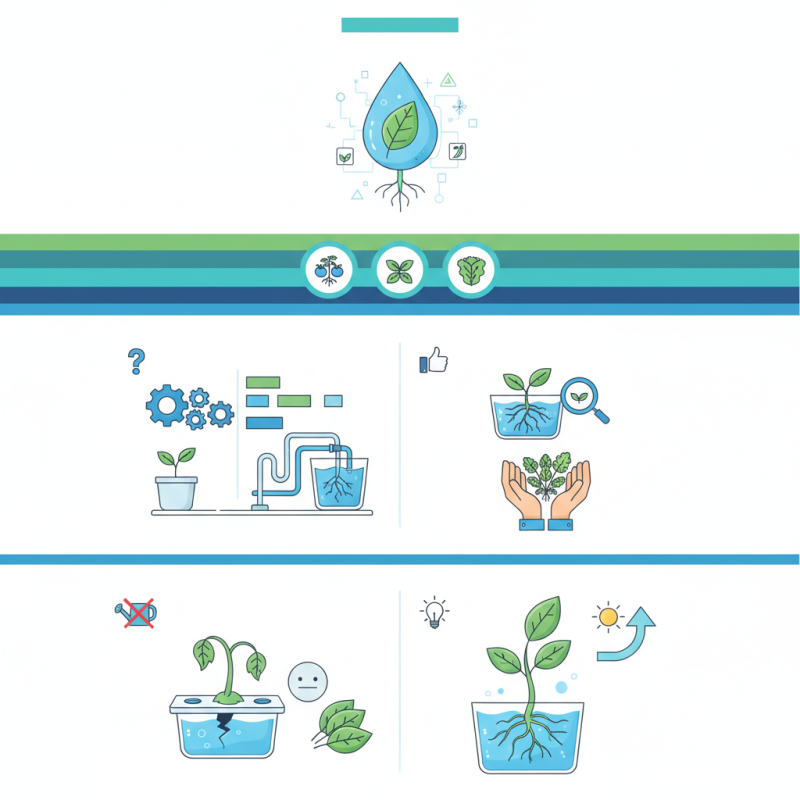
Top Considerations When Choosing a Hydroponic Kit for Beginners
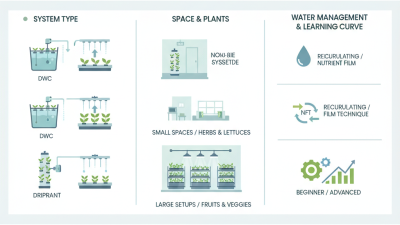
Choosing the right hydroponic kit as a beginner can feel overwhelming. There are many factors to consider. First, assess your space. Kits vary in size, from small countertop units to larger systems that require dedicated areas. The Vertical Farming report from MarketsandMarkets states that the vertical farming market is expected to reach $12.77 billion by 2027, giving insight into how popular these systems are becoming.
Next, think about the types of plants you wish to grow. Some kits are better suited for leafy greens, while others support fruiting plants. You should also consider the growth medium. Options include rock wool, clay pellets, and nutrient film techniques. Each medium has its own benefits. Ensure you understand your chosen medium’s maintenance needs and growth rates.
Tips: Start with easy-to-grow plants. Herbs like basil or mint are great choices. They require less monitoring and will help you build confidence. Monitor your nutrient levels regularly. Imbalances can cause stunted growth. Be patient; plants might not thrive right away; this is part of the learning curve. Lastly, educate yourself about common issues such as pests or diseases, which can crop up in indoor gardens.
Essential Components of Hydroponic Kits: What to Look For
When considering hydroponic kits for beginners, understanding essential components is crucial. A well-designed kit should include a growing medium, nutrient solution, and a water reservoir. These elements interact to provide plants with everything they need. According to a recent report from the Hydroponics Association, more than 40% of new growers express difficulty with nutrient management. Getting this right can dramatically improve your success rates.
Tips: Choose lightweight growing mediums like coconut coir or perlite. They retain moisture yet allow for adequate drainage. This balance is vital for seedling health. Many beginners overlook pH levels, which can influence nutrient absorption. Regular checks using a reliable pH meter ensure optimal conditions.
Look for a kit that includes a pump and adequate airflow systems. Air circulation is often underappreciated. It affects plant growth and health. Key insights from the International Journal of Agronomy highlight that good airflow can boost plant resilience. Finally, keep an eye out for ease of assembly. Many kits are user-friendly, but some can be complex. A complicated setup might lead to frustration and disengagement. Choosing wisely from the start can pave the way for a successful growing journey.
Comparative Analysis of Popular Hydroponic System Types
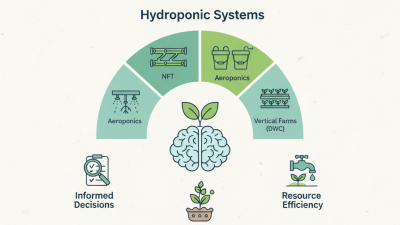
When choosing a hydroponic system, understanding the main types is essential for beginners. Nutrient Film Technique (NFT) offers a continuous flow of nutrient-rich water. This method uses a thin film of solution, allowing roots to absorb nutrients directly. It’s efficient but requires careful monitoring to prevent pump failures.
Deep Water Culture (DWC) is another popular hydroponic setup. Plants are suspended in a nutrient solution, with roots submerged in water. This system promotes rapid growth, yet it demands consistent oxygenation. Without adequate air, plants may suffer from root rot, making monitoring crucial.
Ebb and Flow systems, also known as flood and drain, work by periodically flooding the growing area with nutrient solution, then draining it away. This method allows roots to absorb nutrients while also receiving oxygen. The potential challenge lies in the timing of the cycles; improper timing can lead to either waterlogged roots or dehydration. Each system has its pros and cons, and the best choice depends on your specific needs and tolerance for risks.
Top 10 Hydroponic Kits for Beginners
This chart displays the ease of use ratings for popular hydroponic systems, on a scale from 1 to 10, where a higher score indicates a more beginner-friendly setup.
Benefits of Hydroponic Gardening: Space, Yield, and Resources
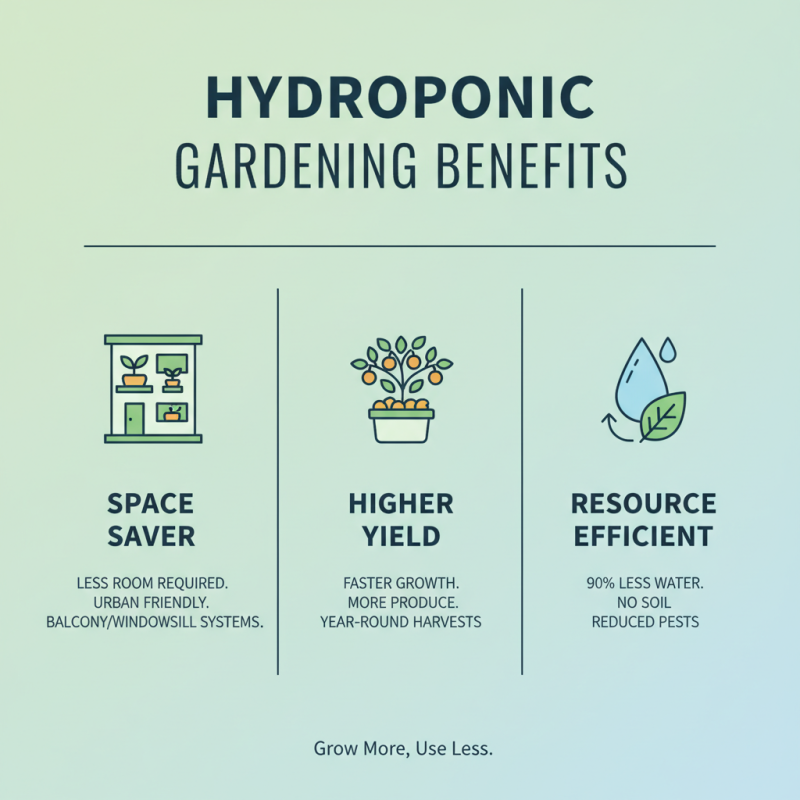
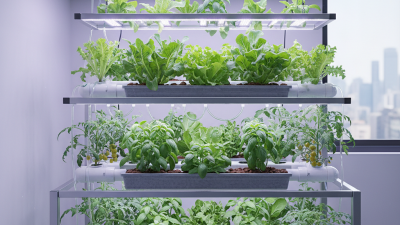
Hydroponic gardening offers several distinct benefits. Space is a primary advantage. Unlike traditional gardening, hydroponics requires less room. Ideal for urban dwellers, it fits neatly in small apartments. You can set up a system on a balcony or even a windowsill. This flexibility allows anyone, even in limited spaces, to grow fresh herbs or vegetables.
Yield is another major benefit of hydroponics. Plants often grow faster in nutrient-rich solutions than in soil. Some growers experience up to 30% higher yields. This is due to the controlled environment, which reduces pests and diseases. However, initial failures can happen. First-time growers might struggle with nutrient balances or water levels. Learning from these mistakes is crucial for success.
Resource efficiency makes hydroponics appealing. It uses up to 90% less water than traditional methods. Each drop counts in hydroponics. Yet, beginners should be mindful of energy use. Innovative systems can help mitigate this concern. Reflecting on your setup can lead to better practices. This awareness helps foster sustainable gardening habits.
Maintenance and Troubleshooting Tips for Hydroponic Beginners
Maintaining a hydroponic system requires attention and care. Beginners might find it overwhelming at first. Regularly check the nutrient levels in your reservoir. This ensures your plants get the right mix for healthy growth. pH levels should be between 5.5 and 6.5. Any deviation can stress your plants.
Troubleshooting is part of the learning process. If you notice yellowing leaves, it may indicate nutrient deficiency. Adjusting your nutrient solution can help correct this. Pests can also become an issue, so inspect your plants often. Finding pests early saves your entire crop.
Sometimes, things may not go as planned. Overwatering or underwatering can occur, leading to root rot. Learning to balance water levels takes time. Keep experimenting with different setups. Each failure is a lesson that deepens your understanding. Embrace these challenges as part of your hydroponic journey.