How to Choose Shade Cloth for Greenhouse Effectively?
Choosing the right shade cloth for greenhouse use is crucial for optimal plant growth. According to Dr. Anna Greenfield, a greenhouse management expert, "Effective shade cloth can significantly enhance plant health." This highlights the importance of understanding the features of shade cloth for greenhouse applications.
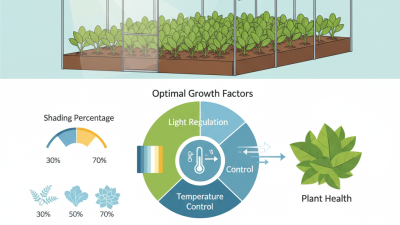
When selecting shade cloth for greenhouse, consider factors such as material, UV protection, and shading percentage. Different plants require specific light levels. For instance, leafy greens thrive in 30% shade, while flowering plants may need 50%. Not all shade cloth offers the same quality; some may fade or degrade under sunlight, affecting performance.
It’s essential to reflect on your greenhouse’s unique needs. Evaluating local climate and plant species will lead to better choices. Keep in mind that an unsuitable shade cloth can hinder growth. Strive for the right balance to ensure your greenhouse thrives with the optimal use of shade cloth for greenhouse conditions.
Understanding the Importance of Shade Cloth in Greenhouses
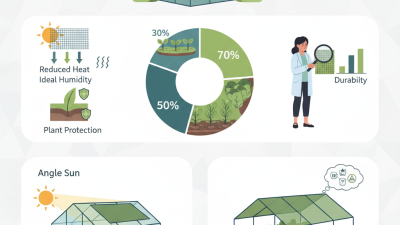
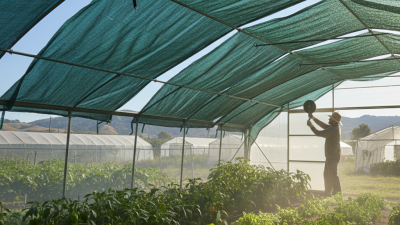
Shade cloth plays a critical role in enhancing the greenhouse environment. It protects plants from excessive sunlight, which can lead to stress and damage. The right shade cloth can help maintain optimal temperatures, promoting healthy growth. Without adequate shading, plants may suffer from leaf burn or stunted growth.
When selecting shade cloth, consider the material and percentage of shade it provides. Different plants have varying light requirements. For instance, some might thrive with 30% shade, while others need up to 70%. It is important to assess your plant species and local climate. Not all areas receive the same intensity of sunlight. This variability can influence how much shade cloth you might need.
Additionally, the durability of the shade cloth is crucial. It must withstand the elements to ensure reliability over time. There are options made for long-term use, but they can be more expensive. Reflecting on your budget versus your needs is essential. It is also beneficial to keep an eye on how your plants react to the shade cloth you choose. This allows for adjustments and optimizations.
Types of Shade Cloth and Their Effectiveness
When choosing shade cloth for a greenhouse, understanding the various types is crucial. Common types include knitted and woven fabrics. Knitted shade cloth offers flexibility and durability. It provides a good balance of light diffusion and air circulation. In contrast, woven cloth is typically more rigid and provides better UV protection. Each type serves different plants and climate conditions.
Different shades, measured in percentages, affect plant growth. A 30% shade cloth is suitable for seedlings, while 50% is better for mature plants. Darker colored cloths absorb more heat. Lighter colors reflect sunlight, keeping the greenhouse cooler. Selecting the right cloth significantly influences plant health.
Consider factors like climate, plant types, and growth stages. Evaluate the cloth's UV resistance and durability. Different plants have distinct light requirements. Research thoroughly to match your needs. Knowing your greenhouse's microclimate is essential. Inconsistent results might occur if the wrong shade cloth is used. A flexible approach to adjustments is often necessary.
Factors to Consider When Choosing Shade Cloth
Choosing the right shade cloth for your greenhouse is vital for optimal plant growth. Start by considering the shade percentage. Cloth typically ranges from 30% to 90%. If your plants require indirect light, a 50% cloth works well. However, some may thrive under less or more shade. It's important to match the cloth's level with the specific needs of your plants.
Material is another crucial factor. Common choices include polypropylene and polyester. Opt for UV-resistant options to ensure durability. Pay attention to weave density as it affects airflow and light diffusion. A tighter weave can block more light but may hinder ventilation. An imbalance here could lead to unhealthy plant growth, so evaluate your greenhouse's climate before making a decision.
Monitoring temperature and humidity levels regularly can guide your choice. If plants wilt frequently, reassess the shade levels. Using a cloth that's too heavy may lead to stunted growth. On the other hand, insufficient shade can cause plants to scorch. Placement is key too. Ensure the shade cloth is installed correctly to maximize its benefits while maintaining a balanced environment inside the greenhouse.
How to Measure Your Greenhouse for Shade Cloth Installation
Measuring your greenhouse accurately is crucial for installing shade cloth effectively. Start by determining the dimensions of your greenhouse. Use a measuring tape to get the length and width. If your structure has a unique shape, be sure to measure all sections. Consider the height as well, especially if the structure has a sloped roof. These measurements will help create a precise fit for your shade cloth.
To achieve optimal coverage, account for any openings or vents. This ensures the shade cloth does not interfere with airflow. If your greenhouse has multiple layers, measure each one separately. Remember, it’s okay if your measurements aren’t perfect; small adjustments can often be made during installation.
It’s beneficial to consult with local experts who can provide insights tailored to your climate. Understanding how light interacts with your plants can refine your shade cloth choices. Measure twice to avoid costly mistakes. Always keep in mind that better measurements lead to a more effective installation.
How to Choose Shade Cloth for Greenhouse Effectively?
| Shade Cloth Percentage |
Suitable Plants |
Ideal Climate |
Sunlight Hours |
Color |
| 30% |
Leafy Greens, Herbs |
Moderate Temp |
6-8 hours |
Green |
| 50% |
Tomatoes, Peppers |
Warm Climate |
8-10 hours |
Black |
| 70% |
Cucumbers, Beans |
Hot Climate |
10-12 hours |
Aluminized |
| 90% |
Delicate Flowers, Seedlings |
Very Hot Climate |
Full Sunlight |
Shade Cloth |
Maintaining and Caring for Your Shade Cloth Over Time
Maintaining your shade cloth is essential for its longevity and effectiveness. Regular inspections should be part of your routine. Look for signs of wear and tear, such as fraying edges or discoloration. These signs indicate that it's time to replace or repair your cloth. Do not ignore small issues; they may become bigger if left unattended.
Proper cleaning is vital. Dust and debris can accumulate, blocking sunlight and reducing airflow. Clean your shade cloth at least twice a season. Use a mild soap solution and a soft brush to gently scrub the fabric. Rinse thoroughly to prevent any soap residue. This simple care step can greatly enhance the lifespan of your shade cloth.
Remember to store your shade cloth properly during the off-season. Keep it in a cool, dry place to prevent mold growth. Avoid folding it tightly; instead, loosely roll it up. This way, the material stays intact and avoids permanent creases. A little effort in maintenance can make a significant difference in performance and durability.