What is an Industrial Greenhouse and How Does It Work?
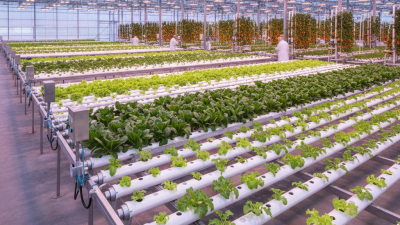
The concept of the "industrial greenhouse" has evolved significantly in recent years. Dr. Emily Harper, a leading expert in sustainable agriculture, states, "Industrial greenhouses can revolutionize food production while conserving resources." These structures maximize plant growth in controlled environments. They use advanced technology for temperature, humidity, and light regulation. This ensures optimal conditions year-round.
However, creating and managing an industrial greenhouse is not without challenges. High initial investment costs can deter potential growers. Additionally, such systems require knowledgeable staff to ensure efficiency. Mismanagement can lead to wasted resources and reduced yields. There is also the constant need for monitoring systems, making it essential to have reliable data.
As the world faces climate change, adopting industrial greenhouses may be the future of farming. They can provide fresh produce to urban areas while minimizing transportation emissions. The industrial greenhouse industry holds great promise but demands careful planning and execution for success.
Understanding the Concept of Industrial Greenhouses
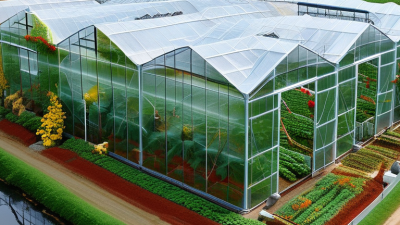
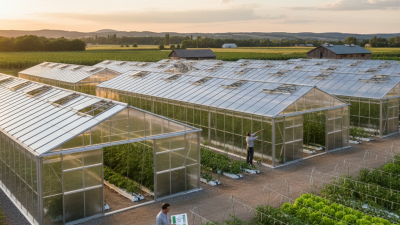
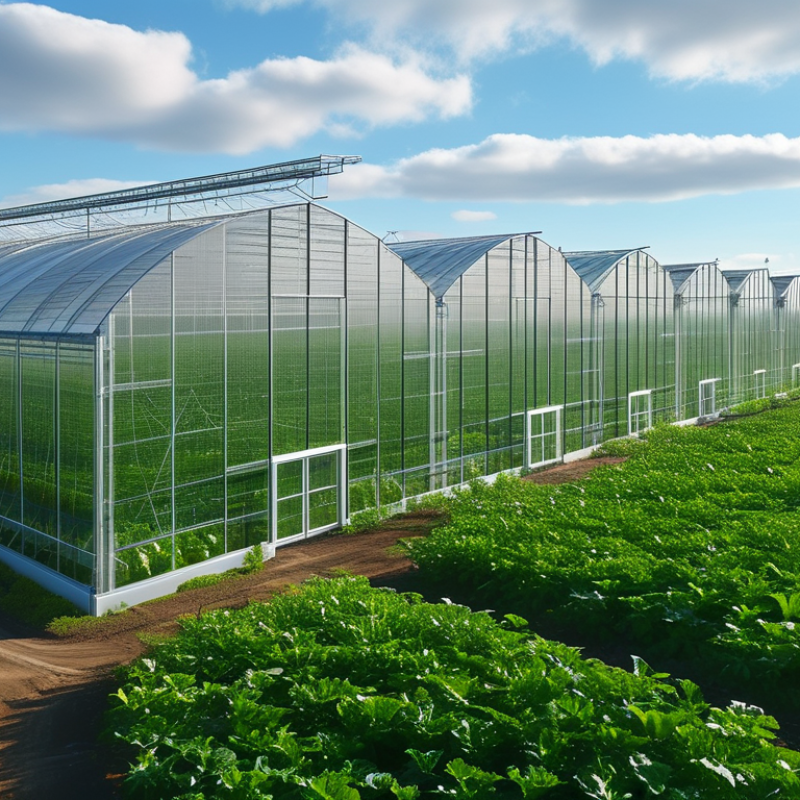
Industrial greenhouses represent a significant evolution in agricultural practices. These structures are designed to create controlled environments for plant growth. By optimizing factors like temperature, humidity, and light, they allow for year-round production of crops. The use of glass or durable plastic provides natural light while minimizing pests.
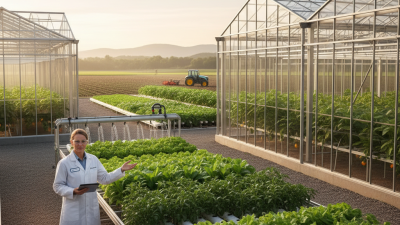
Understanding industrial greenhouses involves recognizing their advanced technology. They often include climate control systems and automated irrigation. Sensors monitor conditions, ensuring optimal growth. However, these setups can be costly to build and maintain. Many farmers face challenges adopting such technology. The complexity may deter those with limited resources or access to expertise.
Yet, the potential benefits are substantial. Industrial greenhouses can lead to increased yield and reduced resource waste. Still, as with any innovation, it is essential to reflect on the environmental impacts. Balancing efficiency with sustainability remains a pressing concern for many in the industry. The future of industrial greenhouses may depend on solving these dilemmas.
Key Features of Industrial Greenhouses and Their Functions
Industrial greenhouses are designed for large-scale agricultural production. These structures utilize advanced technology to create optimal growing conditions. Their controlled environments enhance crop yield and reduce resource waste.
A key feature of industrial greenhouses is climate regulation. They use heating, cooling, and ventilation systems to maintain ideal temperatures. This controlled atmosphere ensures crops grow steadily. Additionally, automated irrigation systems provide precise water management, reducing labor and resource use.
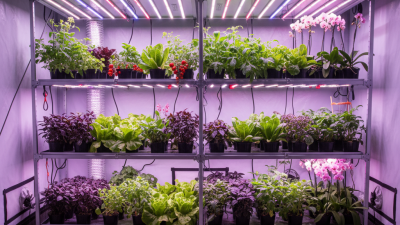
Lighting systems also play a crucial role. LED lights can supplement natural sunlight, allowing for year-round production. However, reliance on technology can lead to challenges. For instance, system failures can disrupt growth cycles. Regular maintenance is essential to prevent these issues, showcasing the need for continuous monitoring.
How Industrial Greenhouses Optimize Plant Growth and Resource Use
Industrial greenhouses represent advanced agricultural technology. They create controlled environments that significantly enhance plant growth. These structures utilize heating, cooling, and ventilation systems to maintain optimal conditions. This careful regulation of temperature and humidity is essential for maximizing yield.
Light management plays a critical role in these greenhouses. Artificial lighting supplements natural sunlight, ensuring plants receive adequate photosynthesis. Advanced shading systems protect from excess sunlight during peak hours. Different crops may require distinct light conditions, making customization vital for success.
Resource optimization is another critical factor. Efficient irrigation systems minimize water waste while ensuring plants receive the right amount of moisture. Sensors monitor soil conditions, adjusting water delivery accordingly. However, challenges remain. Not every crop thrives under the same conditions. Additionally, the dependency on technology prompts questions about sustainability. Striking a balance between production and ecological responsibility is imperative.
What is an Industrial Greenhouse and How Does It Work?
| Dimension |
Details |
| Greenhouse Type |
Industrial |
| Area |
10,000 - 100,000 sq ft |
| Common Crops |
Tomatoes, Cucumbers, Lettuce |
| Climate Control |
Automated Temperature and Humidity Regulation |
| Lighting System |
LED Grow Lights for Photosynthesis |
| Watering System |
Drip Irrigation for Efficient Water Use |
| Nutrient Management |
Hydroponic and Aeroponic Systems |
| Benefits |
Maximized Yield, Controlled Environment |
| Energy Source |
Renewable Energy Options (Solar, Wind) |
The Role of Technology in Enhancing Industrial Greenhouse Efficiency
Industrial greenhouses are revolutionizing agriculture by maximizing the efficiency of crop production. Technology plays a crucial role in achieving this goal.
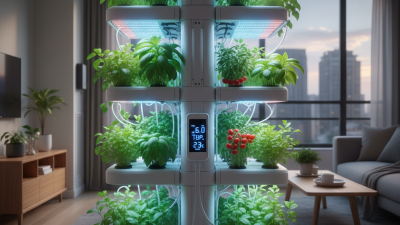
Smart sensors monitor environmental conditions like temperature, humidity, and light. This data helps optimize growth conditions for various plants. Automated irrigation systems ensure that the right amount of water reaches each plant. This reduces waste and improves overall crop health.
The integration of artificial intelligence also enhances efficiency. AI can analyze data trends to predict harvest times and assess plant health. Drones equipped with cameras monitor crop conditions from above. This allows for quick identification of potential issues like pests or diseases. However, reliance on technology can pose challenges. Equipment failures or system malfunctions can disrupt operations. Continuous training and adaptation are necessary to ensure effective use of these technologies.
Renewable energy sources further contribute to sustainability in industrial greenhouses. Solar panels can power irrigation and climate control systems. This not only reduces costs but also minimizes the carbon footprint. Despite the advantages, achieving a balance between technology and traditional farming methods is essential. Each greenhouse must find what works best for its unique environment and goals.
Benefits and Challenges of Implementing Industrial Greenhouses
Industrial greenhouses are becoming essential in modern agriculture. They maximize crop yield and optimize resource use. According to the Global Industry Analysts Report, the industrial greenhouse market is projected to reach $60 billion by 2026. The controlled environment helps reduce water usage by up to 90%, making it a sustainable choice for food production.
However, the implementation of industrial greenhouses is not without challenges. High initial investment costs can deter many farmers. Additionally, the required technology and knowledge may be lacking in rural areas. A study by the Food and Agriculture Organization (FAO) indicates that only 30% of smallholder farmers have access to the necessary resources for effective greenhouse operation. This gap highlights the need for ongoing education and support within the industry.
Sustainability is a double-edged sword, as reliance on technology can lead to vulnerabilities. For instance, excessive energy consumption from climate control systems can counteract environmental benefits. Thoughtful energy management strategies must be developed. Frequent assessments of energy sources and usage are crucial. This reflection ensures that the ultimate goal of sustainable, efficient food production is met without unintended consequences.