How to Choose Shade Cloth for Greenhouse Success?
Choosing the right shade cloth for greenhouse success is crucial for optimal plant growth. Renowned greenhouse expert Dr. Emily Stone once stated, "Selecting the appropriate shade cloth can significantly enhance your greenhouse's environment." This statement emphasizes the importance of understanding the role of shade cloth in regulating light and temperature.
Shade cloth for greenhouse applications comes in various materials and densities. Each type serves a specific purpose based on the plants being cultivated. For instance, delicate seedlings often require higher shade percentages to prevent wilting. In contrast, larger plants may thrive with less shade. Thus, understanding your plants’ needs is essential.
However, many growers underestimate the impact of shade cloth. Some even mistakenly choose the cheapest option without considering light penetration. It's vital to research and consider factors like UV protection, durability, and color. A good balance between cost and quality can prevent future disappointments. Making an informed choice can lead to flourishing plants and, ultimately, greenhouse success.
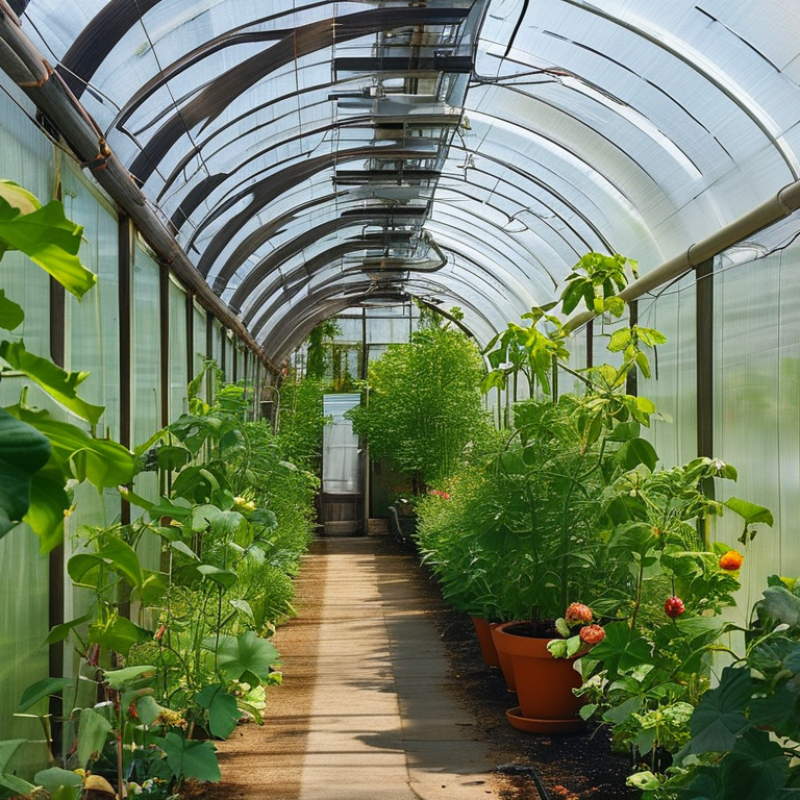
Understanding the Importance of Shade Cloth in Greenhouses
Shade cloth plays a crucial role in greenhouse success. By regulating sunlight, it protects delicate plants from scorching. Not all shade fabrics are created equal. Different plants have unique light requirements, making it essential to choose wisely.
The importance of shade cloth extends beyond temperature control. It also filters harmful UV rays. This protection can enhance plant growth and improve yield. However, selecting the right percentage of shade is challenging. Too much shade may stunt growth, while too little can cause stress.
Consider the specific needs of your plants. Some thrive in bright light, while others prefer dappled sunlight. Make adjustments based on seasonal changes. It’s vital to monitor plant responses and adapt accordingly. Experimentation is key to finding the right balance. Each greenhouse has its distinct environment, demanding thoughtful choices.
Types of Shade Cloth and Their Applications in Greenhouse Environments
When selecting shade cloth for greenhouse environments, consider the different types available. Shade cloth comes in various densities, ranging from 30% to 90%. Each density offers unique benefits. For instance, a 30% shade cloth can create a bright atmosphere, ideal for vegetables like tomatoes. In contrast, a 60% shade cloth is better for delicate plants needing moderate protection.
Think about the materials used in shade cloth. Polyethylene is common, known for its durability and UV resistance. On the other hand, knitted shade cloth allows for more airflow, preventing overheating. Many growers opt for a blend to balance light and ventilation. Keep in mind that weather conditions in your region may affect your choice.
The color of the shade cloth can also impact plant growth. Darker colors, such as black or green, can absorb more light but may trap heat. Lighter colors reflect sunlight, helping to maintain cooler temperatures. If you observe your plants wilting or exhibiting slow growth, it may be time to reassess your shade cloth choices. Always monitor your plants’ responses to find the best solution for your greenhouse success.
How to Choose Shade Cloth for Greenhouse Success? - Types of Shade Cloth and Their Applications in Greenhouse Environments
| Type of Shade Cloth |
SHADING PERCENTAGE |
APPLICATIONS |
MATERIAL |
| Knitted Shade Cloth |
30% - 80% |
Vegetable crops, flowers |
Polyethylene |
| Woven Shade Cloth |
50% - 90% |
Fruit trees, nursery plants |
Polypropylene |
| Aluminet Shade Cloth |
30% - 50% |
High-value crops, orchids |
Aluminum-coated fabric |
| Black Shade Cloth |
40% - 70% |
General use, livestock shading |
Polyethylene |
| Green Shade Cloth |
50% - 80% |
Shade gardens, landscaping |
Polyester |
Factors to Consider When Choosing Shade Cloth for Plant Growth
Choosing the right shade cloth is crucial for plant growth in a greenhouse. Several factors should guide your decision. One primary aspect is the percentage of shade offered. Common options range from 30% to 90%. A 50% shade cloth is ideal for most plants. It allows sufficient light while protecting them from harsh sunlight. Some plants might struggle with too much or too little shade. You may need to experiment to find the right balance for your specific plants.
Material quality is another critical factor. UV resistance prolongs the cloth's life. Polyethylene is a popular choice due to its durability and light weight. However, it's worth noting that less expensive options may deteriorate quickly. This can lead to additional costs over time. Also, consider the color of the shade cloth. Darker colors absorb more heat, while lighter shades reflect it. This can influence your greenhouse temperature, affecting plant growth.
Ventilation and airflow are essential for any greenhouse. Ensure your cloth does not block air movement completely. Stagnant air can create issues like mold or pests. While it’s tempting to cover everything, some experimentation may be necessary. Reflections on your choices can lead to better plant health in the long run. Always be open to adjusting your methods based on the results you observe.
Determining the Right Shade Percentage for Your Greenhouse
Choosing the right shade percentage for your greenhouse is crucial for plant health. Different plants require varying amounts of sunlight. For example, leafy greens thrive in lower light conditions. They may need 30% to 50% shade. Conversely, many flowering plants demand more light. A shade percentage of 50% to 70% is often ideal for these.
Consider the climate when selecting shade cloth. In hotter regions, higher shade percentages are necessary to protect delicate plants. However, too much shade can stunt growth. Monitor your plants closely after applying shade cloth. Look for signs of stress or insufficient light. Adjust the percentage as needed. Remember, some plants may respond differently than expected.
Experimenting with various shades can be enlightening. Record the growth of your plants under each type of shade cloth. This observation can lead to valuable insights. Not all plants will react the same way. Be prepared for unexpected outcomes. Each greenhouse environment is unique, so flexibility is key. Your choices can greatly impact plant vitality.
Installation and Maintenance Tips for Shade Cloth in Greenhouses
When installing shade cloth in a greenhouse, proper placement is crucial. Align the cloth to cover the plants adequately. Use sturdy clips or ties to secure it. Ensure the cloth does not sag, as this can trap moisture. Poorly installed cloth may lead to excessive heat or humidity. Measure the greenhouse dimensions accurately before purchasing the cloth. Different regions require different shade levels. Consider your plants’ specific needs, as some may thrive in partial shade.
Maintenance is equally important for longevity. Regularly check for wear and tear. Look for frayed edges or damage from wind. A torn cloth can reduce its effectiveness. Clean the shade cloth annually to remove dirt and mold. This helps maintain light transmission. Also, adjust the cloth seasonally based on changing sun angles. In winter, some may remove the cloth entirely. Each step requires attention to detail to ensure your greenhouse remains an optimal environment for growth.
Shade Cloth Effectiveness in Greenhouses
This bar chart illustrates the average temperature reduction in degrees Fahrenheit achieved with different levels of shade cloth in greenhouses. Optimal shade selection plays a vital role in maintaining suitable growing conditions.