Best Commercial Hydroponic Systems for Global Buyers?
Commercial hydroponic systems represent a growing trend in agriculture. The demand for fresh, locally grown produce is rising. These systems allow for year-round crop production. They use water efficiently, making them sustainable options for urban farming.
Various designs fit different needs. Some systems are simple and ideal for beginners. Others are advanced and cater to large operations. Understanding these options is crucial for buyers.
Choosing the right system can be challenging. Costs vary widely based on complexity and features. Buyers must assess their goals and resources before purchasing. This article explores the best commercial hydroponic systems, guiding global buyers in making informed decisions.
Overview of Commercial Hydroponic Systems
Commercial hydroponic systems are revolutionizing food production. These systems offer a sustainable way to grow crops without soil. They utilize nutrient-rich water solutions, making them efficient and productive. Many farmers are exploring these methods to meet rising food demands.
In a commercial setting, hydroponic systems come in various designs. Some utilize vertical farming techniques, maximizing space and light. Others use deep water culture or nutrient film techniques. Each system has its merits and challenges. Cost, setup, and maintenance are crucial factors for buyers.
Understanding local markets and climate is essential. Hydroponics may not suit every location. Some regions face challenges like water scarcity or high energy costs. Farmers must evaluate these limitations before investing. Ultimately, knowledge and adaptability are vital for success in commercial hydroponics.
Best Commercial Hydroponic Systems for Global Buyers - Overview of Commercial Hydroponic Systems
| System Type |
Capacity (Plants) |
Setup Complexity |
Average Cost (USD) |
Best For |
| Nutrient Film Technique (NFT) |
100 - 1,000 |
Moderate |
1,500 - 5,000 |
Lettuce, Herbs |
| Deep Water Culture (DWC) |
50 - 500 |
Easy |
800 - 2,500 |
Lettuce, Tomatoes |
| Ebb and Flow (Flood and Drain) |
200 - 2,000 |
Moderate |
1,000 - 4,000 |
Mixed Greens, Herbs |
| Aeroponics |
50 - 1,500 |
High |
2,000 - 7,000 |
High-value Crops |
| Vertical Farming |
500 - 5,000 |
High |
10,000+ |
Urban Farming |
Key Factors to Consider When Selecting Hydroponic Systems
Choosing the right hydroponic system is crucial. Buyers should consider system types like nutrient film technique or deep water culture. Each type has distinct benefits. Some systems require more maintenance, while others are more user-friendly. Understanding these differences can save time and resources.
Scalability is another important factor. What works for a small home garden may not suit a large commercial operation. Assess how much space is available. Will the system expand as your business grows? These questions help ensure long-term viability.
Cost efficiency also matters greatly. Some hydroponic setups are initially expensive. But the potential yield can justify the investment. Evaluate the ongoing operational costs, too. Don’t overlook the importance of reliable suppliers for nutrients and other materials. They play a crucial role in your success. Each decision should be informed and well-considered.
Top Hydroponic System Types for Commercial Use
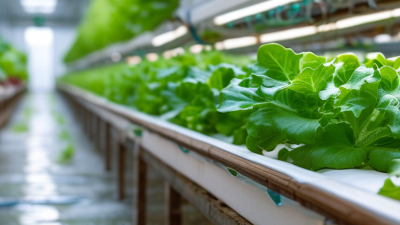
In the world of commercial hydroponics, various system types offer unique advantages. Nutrient Film Technique (NFT) is a popular choice due to its efficiency. This system allows for a thin film of nutrient solution to circulate over the roots. It requires less water than traditional methods. However, maintaining the right balance of nutrients is essential. An imbalance can lead to poor plant growth.
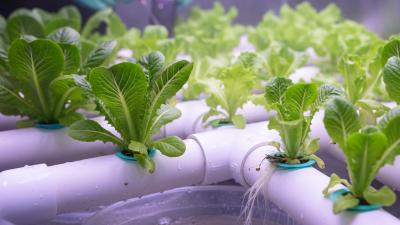
Another great option is the Deep Water Culture (DWC). In this setup, plants are suspended in nutrient-rich water. The roots are oxygenated using air pumps. This method promotes rapid growth and is suitable for leafy greens. Still, it’s vital to monitor oxygen levels closely. Low oxygen can damage roots and hinder plant health.
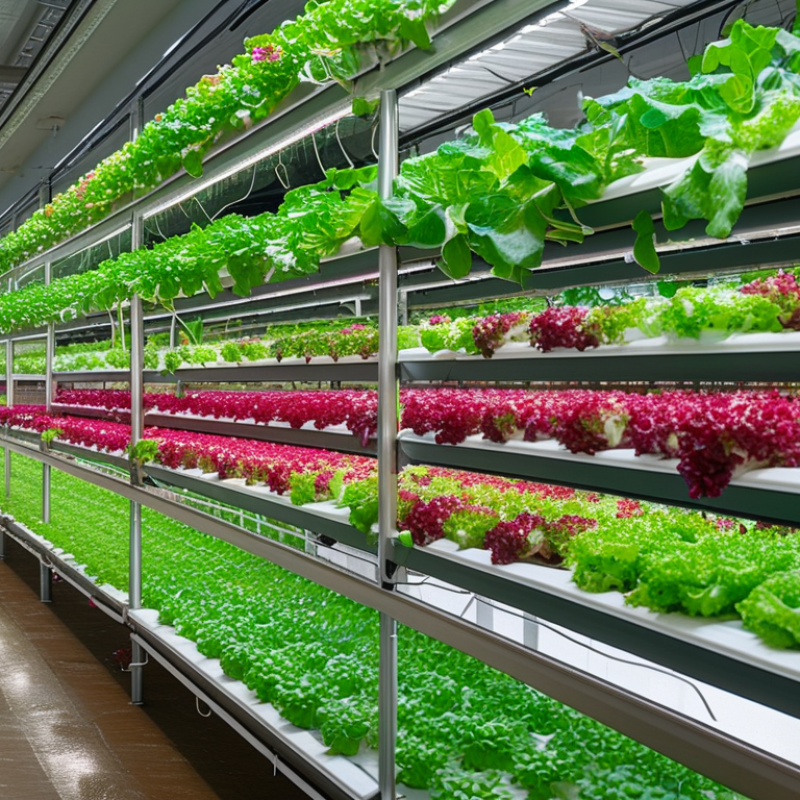
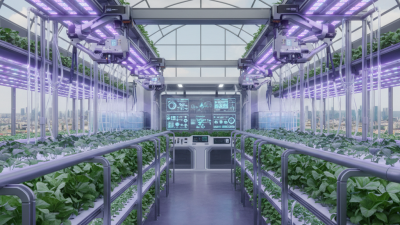
For those considering a more advanced approach, Vertical Farming offers unique space-saving benefits. This system utilizes vertical racks to maximize production in a small footprint. It often involves LED lighting for artificial sunlight. Managing light and water distribution can be challenging, but the yield can be impressive.
When choosing a system, consider local climate and crop type. Each setup has its complexities. Reflect on what works best for your situation. Different systems require different levels of expertise. Knowing your limitations can guide your decision-making process.
Best Commercial Hydroponic Systems for Global Buyers
This chart displays the popularity scores of various hydroponic system types suited for commercial use. Nutrient Film Technique and Aeroponics lead the chart with high popularity, indicating their widespread adoption in the industry.
Comparative Analysis of Leading Hydroponic Brands
In the world of hydroponics, many brands claim superiority. A comparative analysis of these leading systems reveals key insights. Industry reports highlight that over 50% of commercial growers prefer hydroponic systems for their efficiency. These setups use 90% less water than traditional farming, making them essential for sustainable agriculture.
Consumers should evaluate factors like ease of use, scalability, and nutrient delivery. Different systems cater to varied crops. For instance, NFT (Nutrient Film Technique) is ideal for leafy greens, while Deep Water Culture suits fruiting plants. It’s crucial to note that not all systems are foolproof and may require adjustments based on specific crop needs.
When investing in hydroponic systems, keep an eye on setup costs versus long-term yields. High initial expenses can be daunting. However, operational savings often offset these costs. Experimenting with different systems can yield better insights. Don't shy away from trials and adjustments in your system, as this is where improvement often occurs.
Future Trends in Hydroponic Farming for Commercial Buyers
Hydroponic farming is evolving rapidly, driven by technology and sustainability demands. More commercial growers are adopting these systems. Adaptability is crucial for success in the changing market. Innovative solutions emerge regularly, yet navigating these options can be overwhelming.
Future trends indicate a shift towards vertical farming. This method maximizes space and resources while minimizing land use. Cities are seeing a rise in urban farms, responsive to local demands. However, high initial costs and technical knowledge remain barriers for many. Growers must evaluate their capabilities before diving in.
As sustainability becomes essential, eco-friendly practices are gaining attention. Water conservation, renewable energy, and organic inputs are increasingly prioritized. However, the industry must address how to balance efficiency with environmental impact. Finding this equilibrium is vital for future growth and acceptance among consumers.