Top Reasons to Invest in Automated Hydroponic Systems?
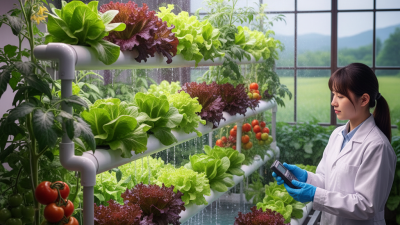
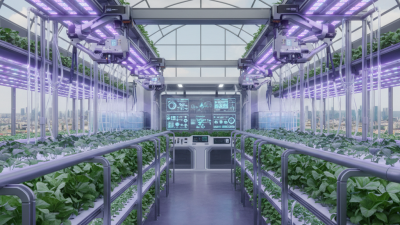
In recent years, the automated hydroponic system has gained significant attention among urban gardeners and commercial growers. This innovative approach to agriculture eliminates the need for soil while optimizing water and nutrient usage. The technology ensures that plants receive a controlled environment, leading to accelerated growth and higher yields. As more people seek sustainable food sources, an automated hydroponic system presents a compelling solution.
Investing in these systems comes with numerous benefits. They reduce the labor intensity associated with traditional gardening. For instance, sensors can monitor plant health and nutrient levels, allowing for precise adjustments. However, the initial financial investment and learning curve may seem daunting for some. Despite these challenges, many believe the long-term advantages outweigh the drawbacks.
Moreover, automated hydroponic systems are becoming more accessible. As technology evolves, prices drop and user-friendliness improves. Yet, potential investors should carefully consider their individual circumstances. Understanding the specific requirements of hydroponic growing is essential. This will ensure a successful transition into this modern agricultural practice. Embracing such solutions can lead to a more sustainable future, encouraging innovative gardening practices worldwide.
Benefits of Automated Hydroponic Systems for Urban Agriculture
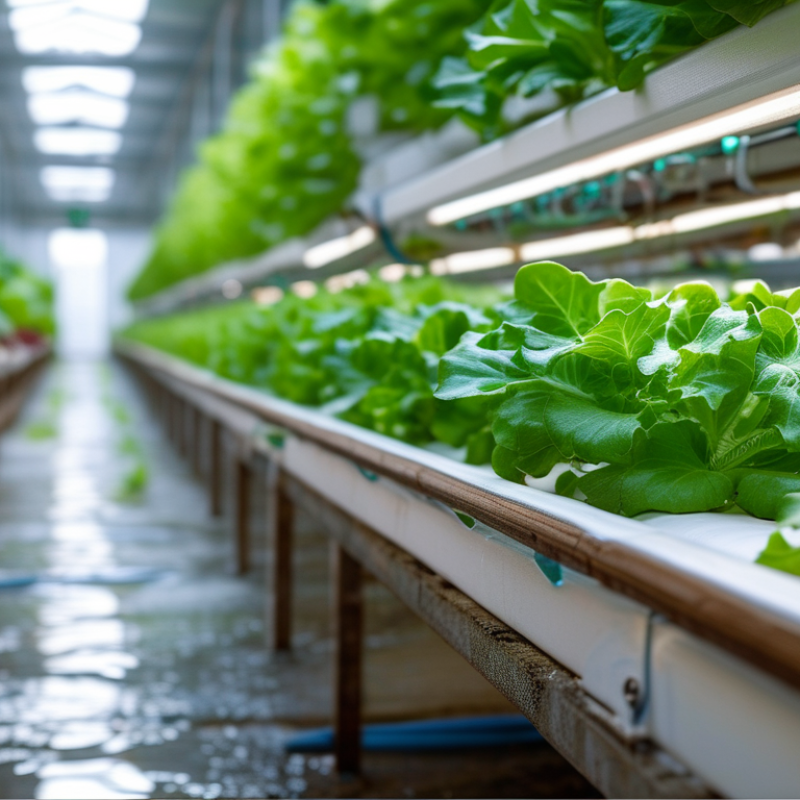
Urban agriculture faces many challenges. Limited space, soil quality, and climate variability are just a few. Automated hydroponic systems offer practical solutions. These systems can grow plants without soil, using nutrient-rich water instead. This method enables urban dwellers to cultivate fresh produce in small areas.
Using sensors and timers, automated systems manage water and nutrients efficiently. This technology reduces the labor involved in traditional farming. Furthermore, urban farms can sustain year-round production. However, initial setup costs can be high. It's important to evaluate local resources and long-term benefits.
Investing in these systems can lead to healthier food choices. They can also lower carbon footprints by reducing the distance food travels. Despite the efficiency, maintenance is required. Users must ensure systems run smoothly and monitor plant health. Thus, while automated hydroponics presents opportunities, it requires ongoing commitment and understanding.
Cost Efficiency of Automated Hydroponic Systems Compared to Traditional Methods
The implementation of automated hydroponic systems presents a significant shift in agricultural practices. These systems typically reduce water usage by up to 90% compared to traditional soil-based farming. This water efficiency aligns with global sustainability goals, proving crucial in the face of increasing water scarcity. Moreover, a report by MarketsandMarkets indicates that hydroponic systems can lead to a yield increase of 30%-50%. This enhanced productivity translates into greater profitability for growers.
Cost efficiency is another vital consideration. While initial investments in automated hydroponics may seem high, the long-term savings often outweigh these costs. Operational expenses, such as labor and energy, can drop substantially—by about 30%—in automated setups. In contrast, traditional farming methods face rising labor costs and variable energy prices. This economic advantage makes hydroponics an appealing option for new and established growers alike.
However, transitioning to automated systems requires careful planning. Implementation can lead to unexpected challenges, such as technical malfunctions or system adjustments. Acknowledging these potential pitfalls is essential for long-term success. Developing a thorough understanding of equipment and systems can be daunting but is necessary for optimum results. Investing in training or consulting can help mitigate these risks. The balance between initial costs and operational efficiency remains an evolving conversation in the agricultural sector.
Enhanced Crop Yield and Quality with Automation in Hydroponics
Automated hydroponic systems revolutionize farming. They offer enhanced crop yield and quality. The technology allows for precise control over nutrient delivery and water usage. This results in healthier plants and higher production rates. Farmers using these systems see significant improvements in crop performance. Automation minimizes human error and fosters consistency.
Investing in these systems saves time and labor. Less manual intervention means more efficiency. Additionally, the ability to monitor crops remotely ensures timely interventions. This boosts both yield and quality. Growers can analyze data and adjust conditions. These insights lead to better decision-making and improved outcomes.
Consider these practical tips for maximizing success. Regularly test nutrient solutions to maintain optimal levels. Monitor environmental factors like pH and temperature frequently. Flexibility is crucial; be ready to adapt methods as needed. Automation can become less effective if not regularly updated and maintained. Embrace a mindset of continuous improvement to achieve lasting results.
Sustainability and Environmental Impact of Automated Hydroponic Systems
Automated hydroponic systems represent a revolutionary approach to sustainable agriculture. These systems use nutrient-rich water instead of soil. This method minimizes water usage significantly, often by up to 90% compared to traditional farming. The controlled environment allows for year-round crop production, irrespective of weather conditions. By reusing water and nutrients, these systems reduce waste, showing a commitment to environmental responsibility.
Despite their advantages, there are challenges. Initial setup costs can be high. Not everyone has access to the technology or knowledge needed to operate these systems. As technology evolves, these hurdles may diminish but require ongoing evaluation. Sustainable practices must include regular monitoring and adjustment. Automation helps, but human oversight remains essential.
Automated hydroponic systems also promote local food production. By growing food closer to urban areas, transportation emissions are reduced. This shift leads to fresher produce for consumers, influencing dietary habits positively. However, reliance on technology can lead to vulnerabilities. What happens if systems malfunction? Addressing these potential flaws is crucial for truly sustainable practices.
User-Friendly Technology and Accessibility of Automated Hydroponics
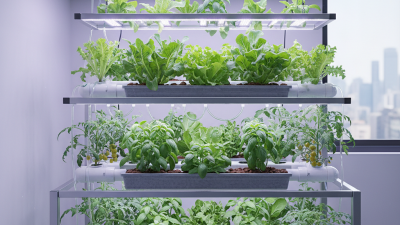
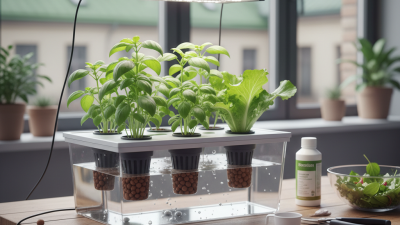
Automated hydroponic systems are user-friendly and accessible. This technology allows anyone to grow fresh produce without needing a backyard. A simple setup can fit in a small apartment. The minimalistic design is appealing to urban dwellers. It's more than just convenience; it's an entry point for beginners wanting to cultivate plants indoors.
Many systems come with intuitive interfaces that guide users through each stage. Even those with no gardening experience can succeed. Sensors monitor water levels and nutrient concentrations. This reduces the burden of constant attention. However, users may initially feel puzzled by the amount of information available. Navigating options can be overwhelming.
Setting up a system might take time. Users need to understand plant needs and system maintenance. Mistakes will happen; some plants might not thrive. But these challenges offer learning opportunities. Experimentation fosters growth in knowledge and skills. With patience and practice, anyone can harness the benefits of hydroponics. This journey enhances not just the environment but also personal satisfaction.
Top Reasons to Invest in Automated Hydroponic Systems