Top Hydroponic Gardening at Home Kits for Beginners

Hydroponic gardening at home makes fresh herbs and leafy greens possible without traditional garden soil. For beginners, the right kit can turn a bright kitchen corner into a productive growing space. However, attractive designs do not always provide practical results. A reliable comparison should consider setup time, water capacity, lighting, noise, cleaning, and long-term replacement costs.

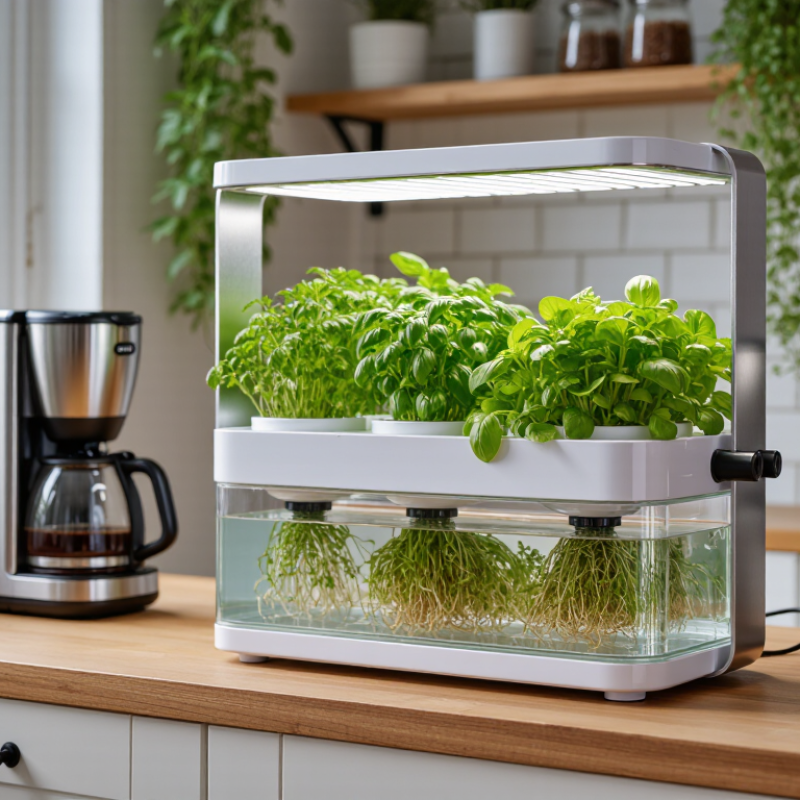
The best beginner kits usually include a reservoir, growing pods, nutrient guidance, and adjustable lights. Some models fit neatly beside a coffee maker, while larger units support several lettuce plants at once. A quiet pump matters in bedrooms or shared apartments. So does a simple control panel. Complicated settings can discourage new growers before the first harvest.

Real results depend on more than the kit. Plants still need suitable temperatures, regular water checks, and enough light each day. Roots can become crowded. Nutrient instructions may also feel vague. No kit is perfect. Even an automated system needs attention. A weekly inspection can reveal yellow leaves, dry roots, or algae around the reservoir.

This guide compares top hydroponic gardening at home kits for beginners through a practical lens. It focuses on ease of use, build quality, plant capacity, maintenance, and value. The goal is not to promise effortless harvests. It is to help new growers choose a system they can understand, maintain, and enjoy using. Small spaces matter. Fresh herbs make a good start.
Top Hydroponic Gardening at Home Kits for Beginners

Choosing the Right Hydroponic Kit for Beginner Home Use

Choosing a hydroponic kit for home use starts with your available space, light, and daily routine.

A small countertop system suits leafy greens, herbs, and compact apartments. Measure the growing area before buying. Leave room for the water reservoir and power cable.

Beginners should choose a kit with clear water-level markings, adjustable lighting, and simple nutrient instructions.

A quiet pump matters in kitchens and bedrooms. Check whether replacement sponges, baskets, and nutrients are easy to obtain.

Deep-water systems are often simple, while drip systems may offer better control but require more cleaning.

Look for stable construction. A lightweight reservoir can tip when plants grow tall.

The kit should make basic monitoring manageable.

Keep the water near the recommended level, and check its pH with an affordable test method. Many leafy greens perform well around a mildly acidic range, but follow the kit’s crop guidance.

Clean the reservoir regularly to limit algae and unpleasant odors. Avoid placing the unit beside a hot window or heater.

Bright light does not always mean stronger growth; excessive heat can stress roots. Start with three or four plants, not a crowded full tray.

I once underestimated spacing, and tangled roots made maintenance awkward. That mistake changed my preference for removable baskets and visible roots.

A beginner kit should reduce guesswork, but it cannot replace observation.

Watch leaf color, root condition, water temperature, and growth speed each week.

Understanding Hydroponic Growing Systems and Essential Components

Hydroponic gardening at home can feel technical, but beginner kits become manageable when each component has a clear purpose. These systems grow plants without soil, using water enriched with dissolved nutrients. Common designs include deep-water culture, drip systems, and nutrient film channels. For beginners, a small deep-water system is often easier to monitor.

The essential parts are a reservoir, net pots, growing medium, water pump, air stone, and adjustable light. The air stone keeps oxygen moving around the roots. Without enough oxygen, roots may turn brown and smell unpleasant. A timer can provide leafy greens with roughly 12 to 16 hours of light daily. Keep the light close, but not hot. Coconut fiber, clay pebbles, or rock wool can support young roots, although each material holds moisture differently.

Water quality deserves careful attention. A basic pH range of 5.5 to 6.5 suits many leafy vegetables. An inexpensive pH meter helps, but it still needs regular calibration. I would check the reservoir twice weekly and replace the solution every one to two weeks, depending on plant size and water clarity.

Start with less nutrient solution than the label suggests. Seedlings can react badly to concentrated mixtures. I once focused too much on rapid growth and ignored curling leaves, which were an early warning. Clean containers, dry electrical connections, and steady observation matter more than complicated equipment.

Setting Up Your Indoor Hydroponic Garden Step by Step

Top Hydroponic Gardening at Home Kits for Beginners

Setting up an indoor hydroponic garden becomes easier when each step has a clear purpose. Choose a quiet location near a power outlet, with stable temperatures and enough space for airflow. A small kit with a reservoir, growing light, pump, and planting cups is practical for beginners. Wash every component before assembly. Residue can affect young roots.

Fill the reservoir with clean water, then check its pH with a reliable testing meter or kit. Many leafy vegetables grow well in slightly acidic water, but follow the instructions for your chosen plants. Add nutrients carefully; more is not better. Place seeds or seedlings into the growing medium, keeping roots moist but not submerged completely. Set the light above the leaves and use a timer for a consistent daily schedule. I once placed a light too close, and the leaves curled within days. Small adjustments matter.

Tips: Check water levels every two or three days. Look for cloudy water, unpleasant smells, or brown roots. These signs may indicate poor oxygenation or contamination. Keep a simple record of pH, nutrient amounts, and plant growth. It may feel unnecessary, but patterns become useful. Clean the reservoir regularly, even when the garden looks healthy. Mistakes are normal. Record them honestly.

Top Hydroponic Gardening at Home Kits for Beginners - Setting Up Your Indoor Hydroponic Garden Step by Step
Beginner Kit Type How It Works Typical Capacity Best Beginner Crops Light Requirement Maintenance Level Typical Setup Time Key Setup Steps
Deep Water Culture Plant roots hang directly into an aerated nutrient solution. An air pump and air stone supply oxygen to the roots. 1–4 plants per reservoir; approximately 4–20 liters of water depending on the container size. Lettuce Basil Kale Pak choi Full-spectrum LED lighting for about 12–16 hours daily. Low to moderate; water level and nutrient strength should be checked regularly. About 30–60 minutes, excluding seed germination. 1. Fill the reservoir with water.
2. Add hydroponic nutrients according to the product instructions.
3. Place the air stone in the reservoir and start the air pump.
4. Insert seedlings into net pots with a suitable growing medium.
5. Position the plants beneath the LED light.
Nutrient Film Technique A shallow, continuously flowing film of nutrient solution passes through sloped channels while roots receive air above the solution. Usually 4–12 plants in a compact indoor channel system. Lettuce Arugula Herbs Spinach Full-spectrum LED lighting for about 12–16 hours daily. Moderate; the pump, channels, flow rate, and reservoir require regular inspection. About 60–90 minutes. 1. Place the channels at a slight slope toward the reservoir.
2. Connect the pump, tubing, and return line.
3. Prepare the nutrient solution in the reservoir.
4. Test the flow before adding plants.
5. Set seedlings into the planting openings and monitor root development.
Drip Irrigation A small pump delivers nutrient solution through emitters to the growing medium around each plant. Excess solution may drain back into the reservoir. Typically 2–8 plants in a small indoor system. Tomatoes Peppers Cucumbers Basil Full-spectrum LED lighting; fruiting crops commonly need strong light for 14–16 hours daily. Moderate to high; emitters must remain clear and larger plants may need support. About 60–120 minutes. 1. Place plants in a container filled with an inert medium such as clay pebbles or coco coir.
2. Install the reservoir and pump below the planting containers.
3. Attach one drip line to each plant site.
4. Run the system and adjust each emitter.
5. Add trellis support for climbing or fruiting plants.
Ebb and Flow A timer-controlled pump periodically floods the growing tray with nutrient solution and then drains it back into the reservoir. Approximately 2–10 plants, depending on tray dimensions and plant size. Herbs Lettuce Strawberries Small peppers Full-spectrum LED lighting for about 12–16 hours daily. Moderate; flood height, drain function, timer settings, and water level need checking. About 60–120 minutes. 1. Position the growing tray above the reservoir.
2. Connect the fill and drain fittings.
3. Set the timer for regular flooding cycles.
4. Test that the tray fills and drains completely.
5. Add plants in net pots or containers filled with an inert medium.
Wick System Wicks passively draw nutrient solution from a reservoir into the growing medium. It uses no water pump. Usually 1–3 small plants per container. Mint Basil Lettuce Small herbs Compact full-spectrum LED lighting for about 12–16 hours daily. Low; the main tasks are checking moisture, nutrient concentration, and reservoir level. About 20–45 minutes. 1. Fill the growing container with a moisture-retentive medium such as coco coir and perlite.
2. Insert one or more wicks through the base of the container.
3. Place the container above the nutrient reservoir.
4. Fill the reservoir and confirm that the wicks are absorbing solution.
5. Add seedlings and position them under the light.
Compact Aeroponic System Roots are suspended in a chamber and periodically misted with nutrient solution, allowing high exposure to oxygen. Usually 4–12 plants in a small indoor unit. Lettuce Basil Strawberries Leafy greens Full-spectrum LED lighting for about 12–16 hours daily. Moderate to high; misting nozzles, pump operation, root cleanliness, and nutrient levels require attention. About 60–120 minutes. 1. Fill the reservoir with water and hydroponic nutrients.
2. Install the misting pump and nozzles.
3. Test the mist pattern before adding plants.
4. Place seedlings into collars or net pots.
5. Monitor roots and prevent the spray nozzles from clogging.
Beginner guidance: Start with leafy greens or herbs because they generally have shorter growth cycles and smaller root systems than fruiting crops. Keep the nutrient solution clean, use a timer for the grow light, and monitor water temperature, pH, and nutrient strength according to the requirements of the selected crop.

Selecting Plants, Seeds, Nutrients, and Growing Conditions

Top Hydroponic Gardening at Home Kits for Beginners

Selecting the right plants matters more than buying the largest home kit. Leaf lettuce, basil, mint, and kale usually suit beginners because they grow quickly and tolerate minor mistakes. Avoid tomatoes at first. Their roots, lighting needs, and fruiting demands are less forgiving. Choose fresh, untreated seeds from a reliable supplier, then label each variety with its sowing date.

Nutrients should match the crop and growing stage. A balanced hydroponic formula must provide nitrogen, phosphorus, potassium, calcium, and trace minerals. Keep nutrient solution pH near 5.5–6.5, and check electrical conductivity weekly. Many leafy greens perform around 0.8–1.8 mS/cm, but instructions differ. More fertilizer is not better. I learned that the hard way.

Light, temperature, airflow, and water quality shape the harvest. Provide roughly 14–16 hours of strong light daily, with gentle airflow around leaves. Keep most leafy greens near 18–24°C and inspect roots for browning or slimy growth. The FAO reports that agriculture uses about 70% of global freshwater withdrawals, so efficient recirculation is valuable, but home systems still waste water when poorly maintained. The USDA Census of Horticultural Specialties shows the continuing importance of protected growing systems, yet small indoor gardens behave differently. Measure often. Guessing feels convenient, but it can quietly damage plants.

Maintaining the System and Solving Common Beginner Problems

A beginner hydroponic kit needs a simple maintenance routine, not constant adjustment. I check the water level every morning and add room-temperature water when roots become exposed. Cold water can shock young plants. Once a week, I test pH and nutrient strength with clean, calibrated meters. Most leafy greens grow well around pH 5.5 to 6.5, but the plant’s instructions should guide final adjustments. I never pour concentrated nutrients directly onto roots. Dilute them in water first.

Clean equipment prevents many beginner problems. I wash the reservoir and tubing regularly, then remove slippery film from the pump. Green growth on the tank usually means too much light. Covering the reservoir with an opaque lid helps. Brown, soft roots may indicate poor oxygen or stagnant water. I check that the pump runs continuously and that air bubbles reach the root zone. Yellow leaves can mean weak nutrients, excessive nutrients, or a lighting problem. I change one condition at a time, because changing everything hides the real cause.

I once increased nutrients too quickly after seeing pale leaves. The leaf color improved slowly, but several tips burned. That mistake taught me to make smaller changes and record each one. A notebook with dates, water levels, pH readings, and plant symptoms makes patterns easier to notice. Keep the system tidy. Inspect cords and plugs away from splashing water. Even an inexpensive setup performs better when observations guide adjustments.

Top Hydroponic Gardening at Home Kits for Beginners: System Maintenance Schedule

Recommended intervals for routine care in a small beginner hydroponic system. Adjust the schedule according to plant type, reservoir size, room temperature, and water quality.

Beginner checks: Keep nutrient solution near pH 5.5–6.5, monitor electrical conductivity according to the crop, and keep the reservoir cool and shaded when possible. Rapid pH drift, algae growth, low water levels, or a noisy pump usually indicate that the system needs attention sooner.