Best Home Hydroponic Systems for Beginners 2026?
As urban dwellers seek fresh produce, home hydroponic systems are gaining popularity. Research shows that the global hydroponics market is projected to reach USD 16 billion by 2026. This growth highlights a rising trend in home gardening. Many people are turning to soil-less methods to cultivate vegetables and herbs at home.
Home hydroponic systems require less space and water than traditional gardening. They provide a practical solution for apartment living. Yet, beginners may find the variety of options overwhelming. Selecting the right system can be challenging. Some systems may require more maintenance than others, leading to potential frustrations.
Despite their benefits, not all home hydroponic systems are easy to manage. New users can struggle with nutrient balance and pH levels. With comprehensive guides and reviews, this article aims to simplify your choice. We want to help you find the best system suited for your lifestyle. Investing in the right hydroponics system can ensure a successful and rewarding gardening experience.
Overview of Hydroponic Systems and Their Benefits for Beginners
Hydroponics offers an innovative approach to gardening, particularly for beginners. Research indicates that hydroponic systems can produce crops up to 30% faster than traditional soil gardening. This efficiency stems from controlled nutrient delivery, which allows plants to uptake essential elements more readily. For beginners, this means faster results and the ability to grow food year-round, regardless of outdoor climate conditions.
Additionally, hydroponics often uses less water than conventional gardening. Studies show that hydroponic setups can cut water usage by up to 90%. This not only conserves a vital resource but also enables urban gardeners to maximize their space. Beginners might struggle with setup complexity, yet many user-friendly systems are available. These streamline the learning process but require diligent monitoring to avoid common pitfalls, such as nutrient imbalance or system failures.
Growing crops without soil reduces pest issues significantly. However, beginners should remain vigilant. Failures can occur due to overwatering or inadequate light. Addressing these issues often requires experimentation, leading to valuable hands-on experience. Engaging in hydroponics also fosters a connection to the food source, enhancing appreciation for healthy eating—a vital lesson for novice gardeners.
Best Home Hydroponic Systems for Beginners 2026
| System Type |
Growing Area |
Setup Difficulty |
Plant Variety |
Price Range |
| Deep Water Culture |
1-4 plants |
Easy |
Leafy greens, herbs |
$50 - $150 |
| Nutrient Film Technique |
1-10 plants |
Moderate |
Leafy greens, strawberries |
$100 - $300 |
| Ebb and Flow |
1-20 plants |
Moderate |
Herbs, tomatoes |
$75 - $250 |
| Aeroponics |
1-15 plants |
Advanced |
Leafy greens, herbs |
$150 - $500 |
| Kratky Method |
1-6 plants |
Easy |
Leafy greens, herbs |
$20 - $50 |
Types of Hydroponic Systems Suitable for Home Use
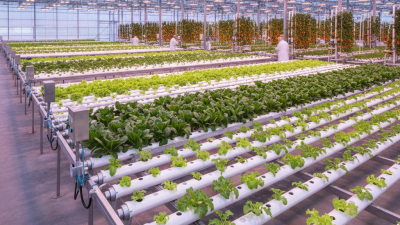
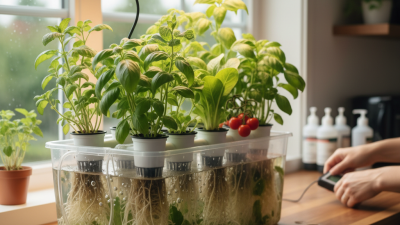
Hydroponic systems come in various types, each with unique features suited for home gardening. Deep Water Culture (DWC) is popular among beginners. In DWC, plants' roots are suspended in nutrient-rich water. This method allows for rapid growth and is easy to maintain.
Another option is Nutrient Film Technique (NFT). NFT involves a thin film of nutrient solution circulating over the roots. This system is efficient but can be challenging. Proper monitoring of the nutrient level is crucial. A slight mistake can lead to poor plant health.
Ebb and Flow systems are also worth considering. This method uses a timer to flood the grow bed with nutrients and then drains it. It creates a cycle that helps prevent root rot. Beginners may find it tricky to time correctly. Each system has its pros and cons that require careful consideration. Choose one that fits your lifestyle and skill level.
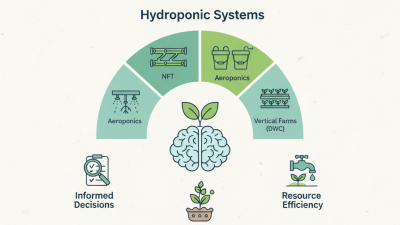
Hydroponic System Types Popular Among Beginners (2026)
Essential Features to Look for in Beginner Hydroponic Systems
When choosing a hydroponic system as a beginner, essential features make a significant difference. A good beginner system should be easy to set up and operate. Look for user-friendly instructions and straightforward assembly. It should not require advanced gardening skills.
Consider the type of hydroponic method that suits your space. Deep water culture or nutrient film techniques are popular for beginners. These methods give plants consistent nutrients and oxygen. Make sure the system has a durable reservoir for water and nutrients. This minimizes maintenance hassles throughout your growing journey.
Tips: Start small. Avoid complex systems initially. Monitor your plants regularly. Look for signs of nutrient deficiencies or pests. It may take time to get everything right. Experimenting can lead to learning opportunities. Don't be discouraged by early challenges; growth is part of the process. Consider joining a community of hydroponic gardeners for support and ideas.
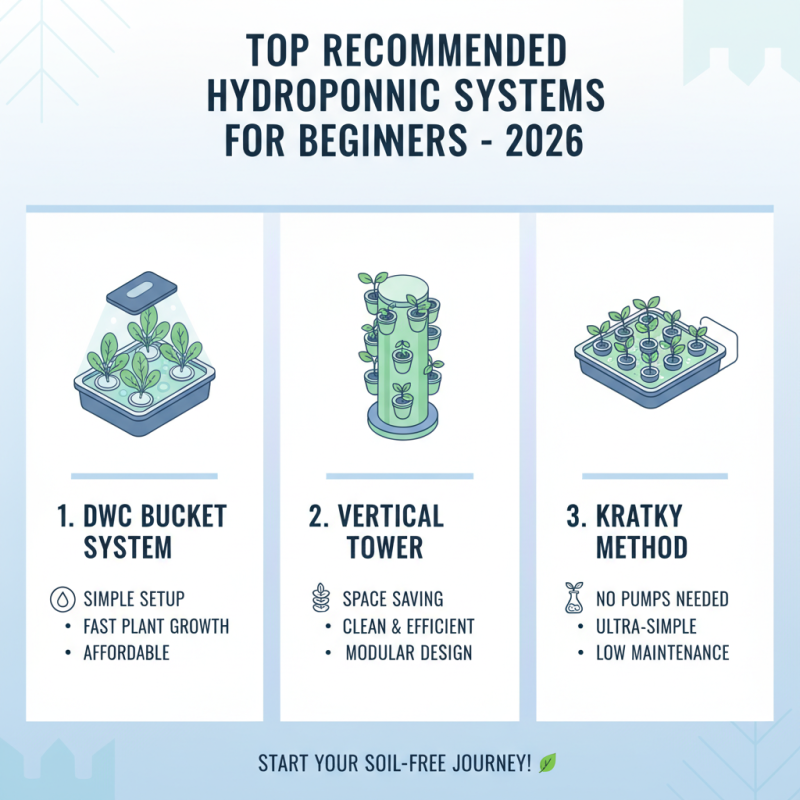
Top Recommended Hydroponic Systems for Beginners in 2026
If you're new to hydroponics, starting your journey can feel daunting. The right system can make all the difference. Beginners often need something simple yet effective. A soil-free setup allows for a cleaner workspace and faster plant growth. Many systems are user-friendly. Look for options with clear instructions and minimal assembly required.
A deep water culture system is ideal for beginners. It allows plants to grow directly in nutrient-rich water. Make sure to choose one with a built-in air pump, as oxygen is crucial for plant roots. Nutrient film technique systems are another good choice. They deliver nutrients in a thin film, promoting rapid growth. However, beginners should be cautious about monitoring nutrient levels. This requires ongoing attention.
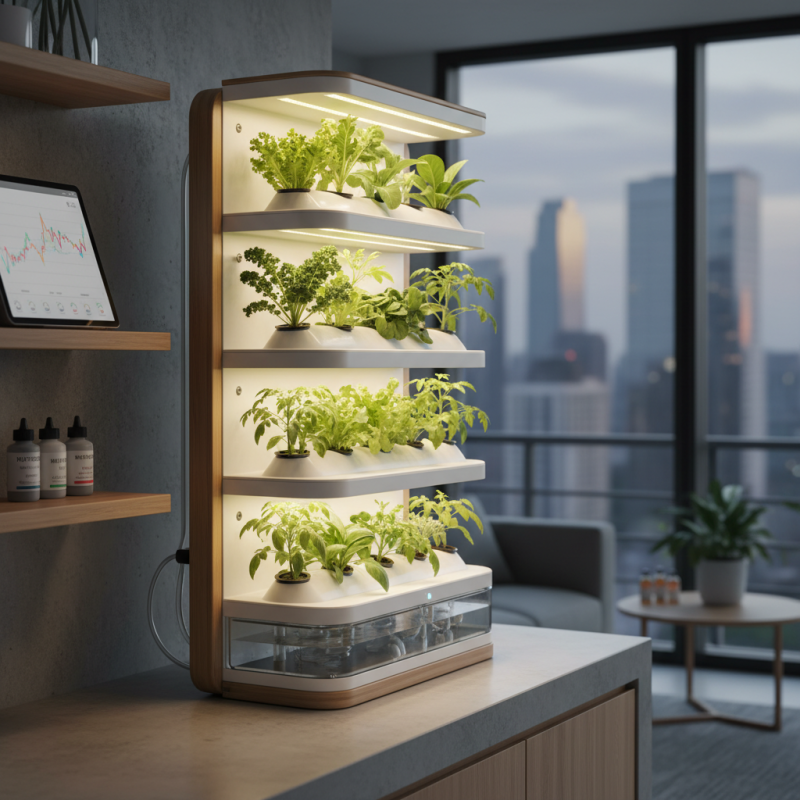
Consider a compact tower system for small spaces. These systems maximize vertical space and are often aesthetically pleasing. Maintenance can be challenging, especially if you forget to check the water level. Hydroponics is an exciting way to grow plants. Yet, it involves a learning curve. Experimentation is key to finding what works best for you. Keep notes on your successes and failures for future reference.
Tips for Setting Up and Maintaining Your Home Hydroponic System
Setting up a home hydroponic system can be exciting yet challenging for beginners. Start with a clean area that gets ample sunlight. Consider using grow lights for consistent growth. Choose a system type that fits your space, like Deep Water Culture or Nutrient Film Technique. Each has pros and cons. Understand that not all plants thrive in hydroponics. Leafy greens often perform well, while fruiting plants may require more expertise.
Maintaining your hydroponic garden is just as crucial. Regularly check the nutrient levels and pH balance. Use water that is free from chlorine and contaminants. Monitor plant growth and adjust lighting as needed. Keep an eye on pest issues; they can arise unexpectedly. Observe your plants closely. Noticing a yellowing leaf could signal a nutrient deficiency or an environmental issue. Mistakes will happen, and that’s okay. Each setback can provide valuable lessons. Embrace the journey and adapt your approach as you learn.