What Are the Best Home Hydroponic Systems in China?
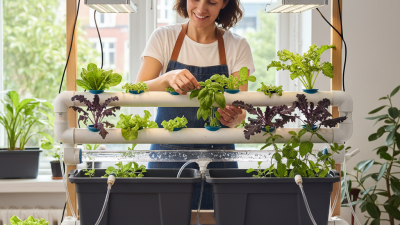
Choosing among home hydroponic systems in China requires more than comparing prices and attractive product photos. A useful system must fit real household conditions. Consider balcony size, summer heat, winter light, water quality, noise, and cleaning access. A compact countertop unit may grow lettuce beside a kitchen window. A vertical tower can produce more, but it may demand stronger lighting and regular maintenance. In some homes, the pump becomes the most noticeable feature.
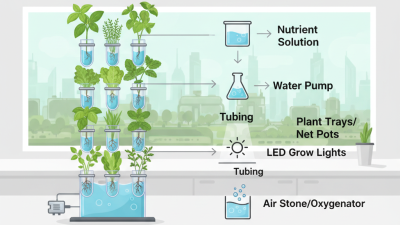
Hydroponics expert Dr. Howard M. Resh has emphasized a basic principle: “Plants do not need soil; they need water, nutrients, oxygen, and light.” That principle should guide every buying decision. Reliable home hydroponic systems should provide stable nutrient delivery, adequate root oxygen, and clear instructions. They should also use replaceable parts that are easy to find in China. Local support matters when a pump stops working on a humid weekend.
This guide compares popular designs, including deep-water culture, nutrient film systems, and vertical gardens. It examines yield, power use, noise, safety, cleaning effort, and long-term cost. Smart controls may look impressive, yet simple systems can be more dependable. That is not always obvious. A cheaper unit may create higher costs through proprietary pods, weak pumps, or difficult-to-clean reservoirs. Personal growing goals also matter. Herbs need less space than tomatoes. Leafy greens forgive beginner mistakes; fruiting plants usually do not. No system is perfect, and this comparison will question some marketing claims rather than repeat them.
Types of Home Hydroponic Systems Available in China
What Are the Best Home Hydroponic Systems in China?
Types of Home Hydroponic Systems Available in China
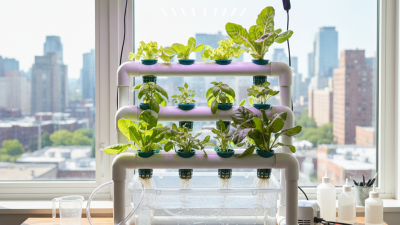
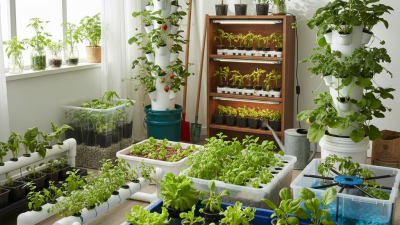
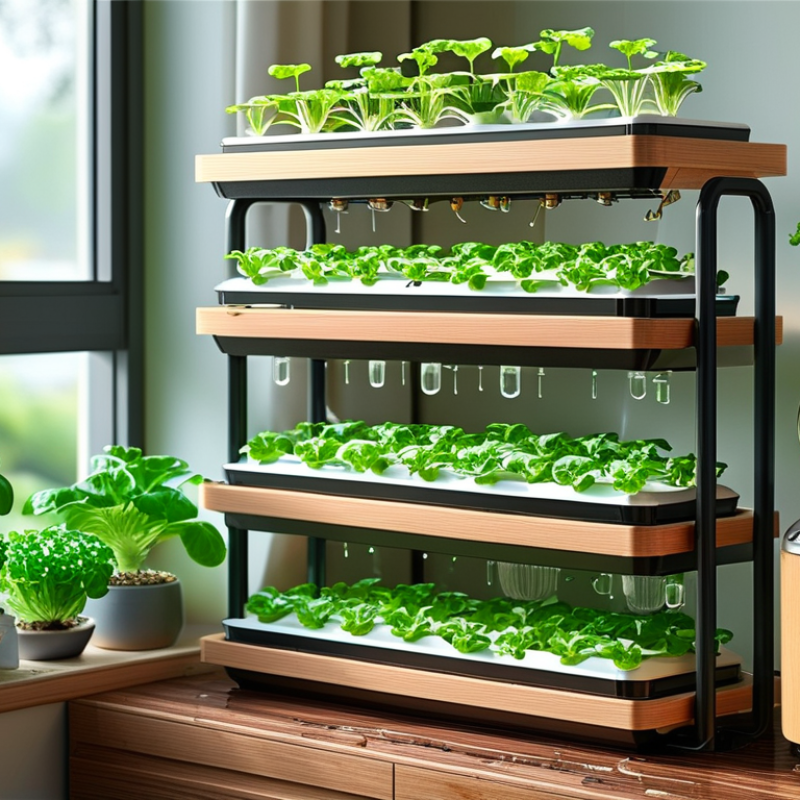
Chinese homes commonly use countertop, vertical, deep-water culture, nutrient-film technique, and drip systems. Countertop units suit herbs beside a kitchen window. Vertical towers save floor space in smaller apartments. Deep-water culture grows leafy vegetables in net pots, with roots suspended in oxygenated water. Nutrient-film systems circulate a shallow stream across roots. Drip systems work better for tomatoes, peppers, and larger plants.
MarketsandMarkets valued the global hydroponics market at about US$12.1 billion in 2022 and forecast strong growth through 2028. This suggests wider access to household equipment, but growth does not guarantee easy maintenance.
In China, choose systems according to apartment size, electricity stability, humidity, and water quality. A balcony tower may produce more vegetables, yet summer heat can raise water temperature quickly. An air pump failure can damage roots within hours. That detail is easy to overlook.
FAO reports that agriculture uses about 70% of global freshwater withdrawals, while recirculating systems can reduce household water waste when managed correctly. Results still depend on leaks, evaporation, and cleaning habits.
My practical preference is a small system first, not the largest model.
Tips:
Check pH and nutrient strength weekly. Keep spare tubing and an air pump. Use filtered water when local hardness is high. Clean the reservoir between crop cycles. Do not place lights near splashing water. Track plant growth for one month; real results may differ from product claims.
How to Choose a Hydroponic System for Your Home
Choosing a home hydroponic system in China starts with your room, not the harvest photos. Measure sunlight, power access, noise tolerance, and available water.
A sunny balcony may suit a compact vertical system. A darker kitchen needs reliable LED lighting and safe cable placement. Check tank capacity carefully. Small reservoirs demand frequent refilling, especially during hot summers. A 10-to-20-liter tank is easier for beginners, but it can become unstable faster when temperatures rise.
Water quality matters more than many sellers admit. Test tap-water pH and electrical conductivity before buying. Hard water may require filtration or nutrient adjustments. The Food and Agriculture Organization reports that agriculture uses about 70% of global freshwater withdrawals, so efficient recirculation is a meaningful advantage. However, lower water use does not remove cleaning duties.
Choose systems with washable channels, replaceable pumps, clear instructions, and locally available parts. Mordor Intelligence estimated the global hydroponics market at about USD 13.8 billion in 2024, with continued growth projected through 2029. Market growth is encouraging, but it does not guarantee a good home device. I would prioritize quiet operation and maintenance access over extra planting holes.
Keep the first crop simple. Leaf lettuce, basil, and water spinach usually forgive beginner mistakes. Fruiting plants need stronger light, deeper roots, and more patience. Expect occasional algae, clogged tubing, or uneven growth. That is part of learning, not a product failure.
Essential Features of Chinese Home Hydroponic Systems
What Are the Best Home Hydroponic Systems in China?
Essential Features of Chinese Home Hydroponic Systems
The strongest home hydroponic systems in China are designed for small apartments, not commercial greenhouses. A practical unit should fit beside a kitchen window, hold a stable water tank, and use quiet pumps. China’s household electricity standard is usually 220V and 50Hz, so electrical compatibility matters. It prevents unnecessary adapters and reduces safety concerns.
Water control is more important than decorative screens. Look for clear water-level markings, removable growing channels, washable pipes, and simple pH or EC guidance. The United Nations Food and Agriculture Organization links soilless cultivation with efficient water management, although actual savings depend on leaks, evaporation, and user habits. That detail is easy to overlook. A 2024 Grand View Research assessment valued the global hydroponics market at more than 5 billion U.S. dollars, showing strong investment in controlled growing technologies.
Lighting should provide adjustable intensity and a timer for leafy vegetables. In my experience, weak lights create tall, pale seedlings, even when the app looks impressive. Noise also matters at night. A pump below roughly 40 decibels feels less intrusive in a bedroom or living area, but manufacturers should publish testing conditions. I once added nutrients too quickly and damaged young roots. Clear dosing instructions would have prevented it. Local manuals, replacement filters, and responsive technical support are essential features, not optional extras.
Installation and Maintenance Requirements
Choosing a home hydroponic system in China begins with installation, not appearance. Measure the balcony or kitchen corner first. Leave at least 30 centimetres around the reservoir for cleaning. A nearby grounded socket and stable water supply are essential. FAO’s 2022 State of Food and Agriculture reports that agriculture uses about 70% of global freshwater withdrawals, so leak prevention matters. Recirculating systems can reduce water consumption substantially, but only when pumps and pipes remain sealed.
Use filtered water when local hardness is high. Test pH and electrical conductivity before adding nutrients. Cornell’s controlled-environment guidance generally places leafy-greens pH near 5.5–6.5, with moderate nutrient strength. Follow the crop, not a fixed calendar. Young lettuce may need weaker solution. Stronger is not always better. That mistake is common.
Maintenance should fit a realistic weekly routine. Check the pump, tubing, water level, and root colour every two or three days. Remove algae from exposed surfaces. Replace or refresh nutrient solution according to crop demand, usually every one to two weeks in small household units. A 2023 review in Horticulturae links poor temperature, oxygen, and sanitation control with weaker hydroponic yields. Keep the reservoir shaded and maintain gentle aeration. Clean the tank between crops with a legal, food-safe method, then rinse thoroughly. I still record pH, EC, and harvest weight. The notes often reveal problems that the display cannot.
Best Home Hydroponic Systems in China: Installation and Maintenance Requirements
The chart compares common home hydroponic system types by typical initial installation time and weekly maintenance effort. Deep water culture is generally the simplest to install, while nutrient film technique and drip systems require more setup and routine inspection of pumps, tubing, flow, water levels, and nutrient concentration.
Costs, Safety, and Buying Considerations in China
For many Chinese households, home hydroponics is affordable, but the full cost extends beyond the growing unit. A compact setup may cost 500 to 1,500 RMB. Larger systems often reach 2,000 to 8,000 RMB. Monthly expenses include nutrients, electricity, replacement pumps, and seeds. These costs may add 50 to 300 RMB, depending on crop size and lighting use. My early budget estimate was too low. Small accessories became surprisingly expensive.
Safety deserves careful attention in apartments and balconies. Choose food-contact materials with clear specifications and check applicable Chinese GB standards. Electrical parts should have proper insulation, grounded connections, and reliable overload protection. Keep plugs above floor level. Waterproofing matters. A leaking reservoir can damage wooden flooring within hours. Pumps should run quietly and include accessible replacement parts. Inspect cables every month, especially near water. Clean tanks regularly to reduce algae and unpleasant odors. Poor ventilation can also encourage mold around wet surfaces.
Before buying, ask for a written warranty, repair process, Chinese instructions, and spare-part availability. Confirm the system fits your window, balcony, or kitchen measurements. Measure the water source too, since hard water can affect nutrient balance. A low price may hide weak lighting or difficult maintenance. Local technical support is often more valuable than decorative features. I would also request safety documents and material details before paying. Some sellers answer vaguely, which is a warning sign. Growers should record water changes, nutrient amounts, and plant responses. This simple habit improves reliability and reveals mistakes early.