How to Use Matcha Powder for Health and Wellness Benefits?
Matcha Powder is more than just a trendy beverage. It offers a rich array of health benefits that can enhance wellness. From boosting energy levels to improving focus, incorporating matcha into your daily routine can make a significant difference.
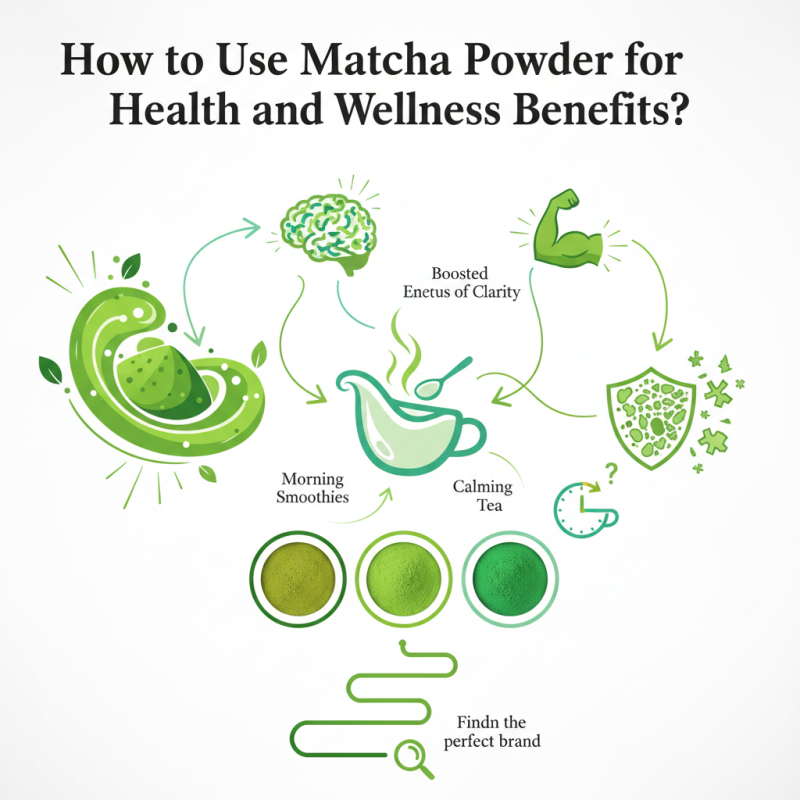
This vibrant green powder is packed with antioxidants. These compounds help combat free radicals in the body. Many people enjoy matcha in their morning smoothies or as a calming tea. The versatility of matcha allows for easy integration into various meals. However, users should be mindful of its caffeine content.
Finding the perfect matcha brand can be overwhelming. Not all matcha powders are created equal. Some lack the vibrant color or distinct flavor that defines quality. Testing different brands may lead to valuable insights. Take your time to discover what suits your taste and health needs best.
Understanding Matcha Powder: Origins and Nutritional Profile
Matcha powder has a rich history rooted in Japanese culture. This finely ground green tea can be traced back to the Tang dynasty. Its vibrant green color is due to high levels of chlorophyll and antioxidants. These elements contribute to matcha's esteemed nutritional profile, making it a popular choice for health enthusiasts.
In terms of health benefits, matcha is said to enhance metabolism and support weight loss. It's packed with catechins that fight free radicals. Moreover, matcha can promote calmness while keeping you alert. These unique properties make it a superfood in many people's diets.
Tips for using matcha:
Start with a small amount, about half a teaspoon. Mix it with warm water for a refreshing beverage. If unsure about the taste, add honey or almond milk. Experiment with different recipes, like smoothies or baked goods. Remember, quality matters; choose matcha that is vibrant in color. Using matcha daily may require adjustments in your routine. Listen to your body and remain mindful of how you feel.
Health Benefits of Matcha Powder: Antioxidants and Beyond
Matcha powder has gained attention for its impressive health benefits, especially due to its high antioxidant content. A study published in the Journal of Agricultural and Food Chemistry found that matcha contains several times more antioxidants than other green teas. Its primary antioxidant, epigallocatechin gallate (EGCG), has been linked to reduced inflammation and improved cardiovascular health. It might help combat oxidative stress, which contributes to numerous chronic diseases.
Moreover, the unique way matcha is grown enhances its health properties. The shade-grown process increases chlorophyll levels, which is beneficial for detoxification. This green powder can boost metabolism as well, with research suggesting that matcha may help burn calories more effectively. However, not all matcha is created equal. It’s essential to source high-quality powder to truly reap these benefits.
Despite the impressive claims, some people might experience jitteriness from caffeine, even though the levels are lower than coffee. This could lead to discomfort if consumed without moderation. Not every matcha experience is perfect; some find the taste of pure matcha too strong or earthy. It’s important to experiment with different recipes to find what works best for individual preferences.
How to Incorporate Matcha Powder into Your Daily Diet
Incorporating matcha powder into your daily diet can be both simple and enjoyable. One easy method is to add it to your morning smoothie. Just a teaspoon of matcha can elevate your drink with its vibrant green color and unique taste. Pair it with banana, spinach, and almond milk for a nutrient-packed start to your day. You might find that the slight bitterness of matcha balances the sweetness of fruits beautifully.
Another option is preparing matcha tea. Heat water to just below boiling, then whisk in the matcha powder until frothy. This routine could be a calming ritual. However, it might take a few tries to get the whisking technique right. Some people struggle with lumps, while others might find the flavor too strong at first. Experimenting with varying amounts can help you discover your perfect blend.
Finally, consider adding matcha to your baking. Whether in pancakes, muffins, or even energy bites, matcha can enhance flavors and add a touch of vibrancy. Just remember that pairing it with sweet ingredients often yields the best results; otherwise, the earthy taste might overpower your dish.
Different Ways to Prepare and Enjoy Matcha: Recipes and Tips
Matcha powder is a fine green tea powder that offers numerous health benefits. It has gained popularity due to its unique flavor and vibrant color. When it comes to preparing matcha, a simple whisking method creates a delightful drink. Using around one teaspoon of matcha powder per cup of hot water is common. Recent studies indicate that regular consumption can enhance metabolism by up to 30%. This means you could burn more calories throughout the day.
For a slightly different approach, consider adding matcha to smoothies. Blending matcha with fruits such as bananas and spinach can create a nutritious snack. Many people also enjoy matcha lattes, which combine matcha with steamed milk or a dairy alternative. A report from the Journal of Nutritional Science suggests that matcha can improve focus and concentration. This makes it an ideal choice for a mid-afternoon pick-me-up instead of coffee.
Remember that matcha contains caffeine. It may not be suitable for everyone. Some people experience jitters, especially in larger doses. Additionally, overconsumption could lead to digestive issues. Striking a balance is essential when incorporating matcha into your routine. Always listen to your body to find what works for you.
Health Benefits of Matcha Powder
Potential Side Effects and Considerations When Using Matcha Powder
Using matcha powder can bring various health benefits, but there are potential side effects to consider. High caffeine content is one concern. Drinking too much matcha may lead to jitteriness or anxiety. Individuals sensitive to caffeine should approach matcha with caution.
Another consideration is the quality of matcha. Some lower-grade powders may contain contaminants. It's crucial to choose high-quality sources to avoid any health risks. People with certain health conditions should consult a healthcare professional before incorporating matcha into their routine.
Tips: Start with a small amount of matcha. Observe how your body reacts. If you notice any adverse effects, rethink your intake. Also, balance matcha consumption with other beverages, like water, to stay hydrated. Finally, be mindful of how your body responds over time. Regular reflections can help you understand what works best for your health.