Top 10 Hydroponic Garden Systems for Thriving Indoor Gardening
As indoor gardening gains traction among plant enthusiasts and urban dwellers, hydroponic garden systems have emerged as a revolutionary alternative to traditional soil-based cultivation. A report from MarketsandMarkets indicates that the hydroponics market is projected to reach $16 billion by 2025, driven by the increasing demand for fresh produce and sustainable agricultural practices. This growing industry reflects a broader trend towards resource-efficient food production, positioning hydroponic systems as a viable solution for maximizing yield in limited spaces.
Dr. Emily Chen, an expert in hydroponic technology and author of several publications on urban agriculture, emphasizes the importance of these systems in today’s environment: “Hydroponic garden systems not only promote faster growth rates but also optimize resource usage, making it possible to grow high-quality food in urban settings.” This innovative approach harnesses advanced technologies to provide exact nutrient delivery, offering an efficient way to cultivate plants without the constraints of traditional gardening. As we delve into the top 10 hydroponic garden systems available today, we explore how they can transform indoor spaces into flourishing green sanctuaries, enhancing both aesthetics and sustainability.
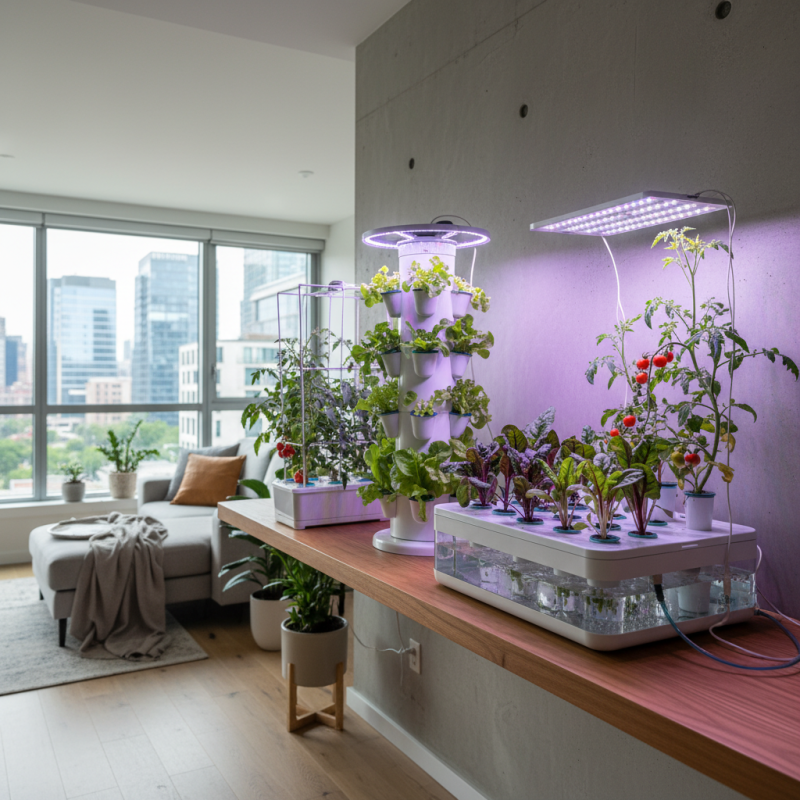
Top 10 Hydroponic Garden Systems for Thriving Indoor Gardening
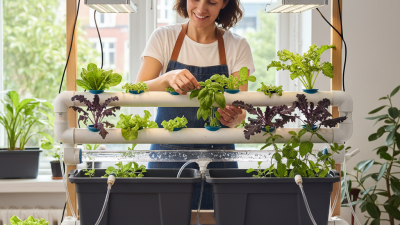
When diving into the world of indoor gardening, hydroponic systems offer a unique and efficient way to grow plants without soil. This method not only optimizes space but also allows for greater control over the growing conditions. With the right setup, you can cultivate a vibrant garden indoors, regardless of the climate outside. Embracing hydroponics can lead to faster growth rates and healthier plants, providing a bountiful harvest year-round.
**Tips:** Start with a system that matches your skill level. Beginners might prefer simpler systems like deep water culture or nutrient film technique setups, while more experienced gardeners can experiment with aeroponic or vertical gardening systems. Additionally, pay close attention to your nutrient solution; maintaining the right pH and nutrient balance is crucial for plant health and growth. Regular monitoring will help prevent issues before they become significant problems.
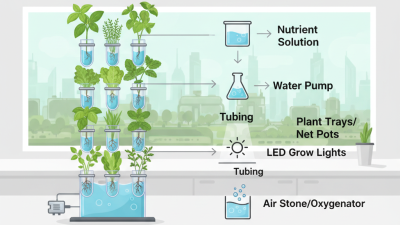
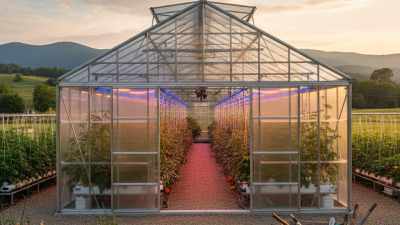
Lighting is another critical aspect of successful indoor gardening. Since natural light may not always be available, investing in good quality full-spectrum grow lights will ensure that your plants receive the proper light spectrum for their growth stages. This allows for photosynthesis to occur efficiently, which is vital, especially during the darker months. Adjust the distance and timing of your lights according to the needs of your plants to promote optimal growth.
Understanding Hydroponics: Benefits and Basic Principles of Soil-less Farming
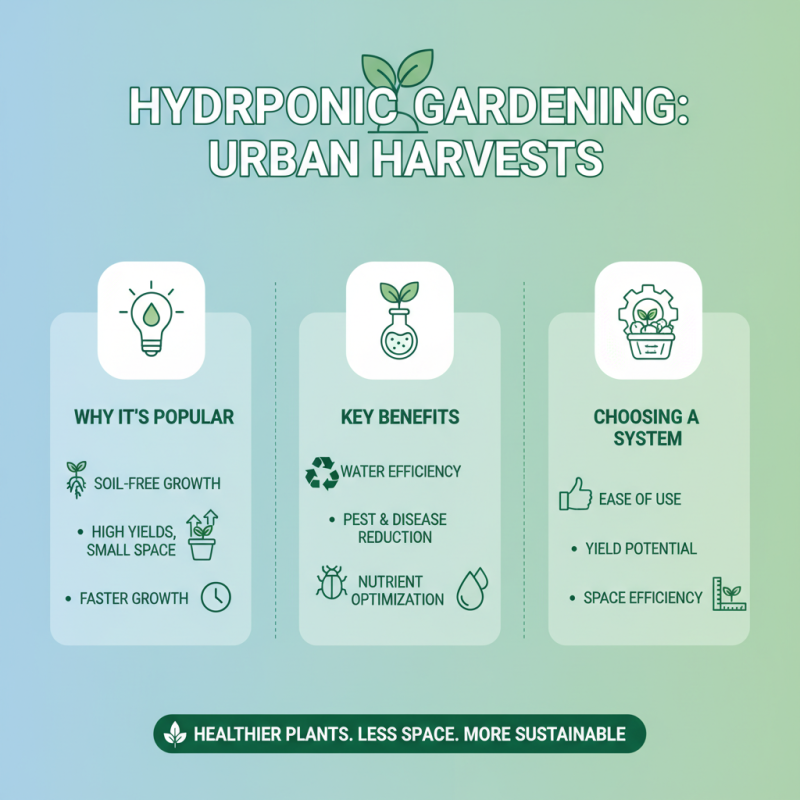
Hydroponics is an innovative farming method that eliminates the need for soil, allowing plants to grow in nutrient-rich water solutions. This technique has gained popularity in recent years, especially among indoor gardening enthusiasts, due to its efficiency and ability to maximize space. One of the key benefits of hydroponics is that it enables precise control over the growing environment. Factors such as light, temperature, and nutrient levels can be easily regulated, leading to faster growth rates and higher yields compared to traditional soil-based gardening.
In addition to efficiency, hydroponic systems can contribute to sustainable agricultural practices. By using less water and space, these systems can help address food security concerns in urban areas. Moreover, hydroponics minimizes the need for pesticides and herbicides, as the controlled environment is less conducive to pests and diseases. This method also allows for year-round cultivation, providing fresh produce regardless of seasonal limitations. Understanding the basic principles of soil-less farming can empower growers to start their own hydroponic gardens, promoting a healthier lifestyle and greater access to home-grown food.
Key Types of Hydroponic Systems: Deep Water Culture, NFT, and More
Hydroponic gardening is gaining popularity as more people seek efficient ways to grow plants indoors without soil. Among the various hydroponic systems, three of the most notable types are
Deep Water Culture (DWC),
Nutrient Film Technique (NFT),
and
Ebb and Flow systems, each offering unique advantages based on the gardener's needs.
According to a report by Market Research Future, the global hydroponics market is projected to reach USD 24.39 billion by 2025, driven in part by the rising interest in sustainable and space-efficient gardening practices.
Deep Water Culture is particularly favored for its simplicity and effectiveness. This system suspends plant roots in nutrient-rich water, providing an ideal environment for growth. A study published in the Journal of Horticultural Science found that
DWC can yield over 30% more produce compared to traditional soil gardening due to the constant availability of water and nutrients. On the other hand, the
NFT system uses a thin film of nutrient solution that flows continuously over plant roots, which allows for efficient nutrient uptake. Research indicates that NFT systems can enhance growth rates by
up to 50%, making them a sought-after option for both amateur and professional growers.
When considering hydroponic systems, it's essential to evaluate factors such as resource availability and the specific crops being grown.
Ebb and Flow systems, also known as flood and drain systems, cycled between periods of flooding and drainage, helping to oxygenate the roots while minimizing water waste. Studies in agriculture journals highlight that these systems can significantly reduce water usage—
up to 90% less compared to conventional farming. As indoor gardening continues to evolve, understanding these key hydroponic systems will empower gardeners to optimize their yield and sustainability efforts.
Choosing the Right Hydroponic System: Factors to Consider for Indoor Spaces
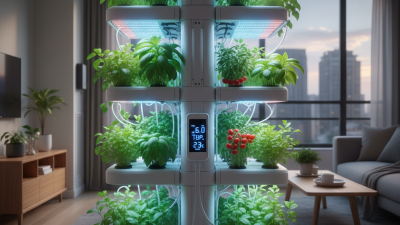
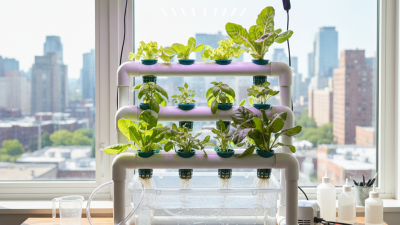
When selecting a hydroponic system for indoor gardening, several factors must be taken into account to ensure optimal growth and success. First and foremost, the available space determines the type of system to implement. Smaller setups, like vertical systems or countertop options, are ideal for compact areas, while larger spaces may accommodate a more expansive layout, such as a dedicated grow tent or a room configured for multiple growing units. Understanding the dimensions of your gardening area helps in choosing a system that maximizes efficiency without overcrowding.
Another crucial factor is the type of plants you wish to cultivate. Different hydroponic systems cater to various plant types, from herbs and leafy greens to fruit-bearing plants. For instance, systems with sturdy support structures are better suited for tomatoes or peppers, while lighter systems may suffice for lettuce or basil. Additionally, consider the required growth medium, nutrient delivery method, and the amount of light your plants will require. A thorough understanding of these needs allows for an informed choice that aligns with your gardening goals and ensures a thriving indoor garden.
Top 10 Hydroponic Systems: A Comprehensive Review Based on Yield and Efficiency
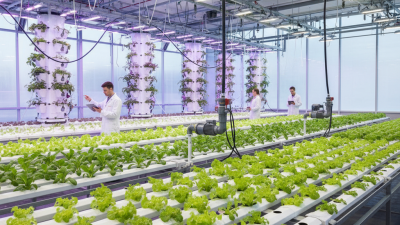
Hydroponic gardening has rapidly gained popularity due to its ability to produce high yields in limited spaces, making it ideal for indoor cultivation. A comprehensive review of hydroponic systems reveals that factors such as efficiency, ease of use, and yield potential significantly influence the choice of the best systems for urban gardeners. These systems utilize nutrient-rich water solutions to nourish plants, effectively eliminating the need for soil. By focusing on optimizing light exposure, water circulation, and nutrient delivery, these hydroponic setups promise healthier plants while maximizing space and resources.
In evaluating various hydroponic systems, considerations like scalability and maintenance come to the forefront. Many systems cater to specific plant types, from leafy greens to herbs, emphasizing efficiency and ensuring that plants receive adequate light and nutrition. Moreover, advancements in technology have led to automated systems that monitor variables like pH and nutrient levels, allowing for more straightforward management. By selecting the right hydroponic garden system tailored to the indoor environment, gardeners can achieve remarkable growth rates and yields, transforming their living spaces into lush, productive gardens.
Conclusion
This article provides an in-depth overview of hydroponic garden systems, which are revolutionizing indoor gardening by allowing plants to grow without soil. It begins by explaining the benefits of hydroponics, such as efficient water usage and faster plant growth. The article details key types of hydroponic systems, including Deep Water Culture and Nutrient Film Technique (NFT), highlighting their unique features and applications.
Furthermore, the article guides readers in choosing the right hydroponic garden system for their indoor spaces by considering various factors, including space and plant type. A comprehensive review of the top ten hydroponic systems is included, focusing on their yield and efficiency, ensuring that readers can select systems that meet their gardening needs. Finally, the article offers maintenance tips to help enthusiasts achieve optimal plant growth in their hydroponic setups.