Top Hydroponic Equipment for Global Buyers in 2026?
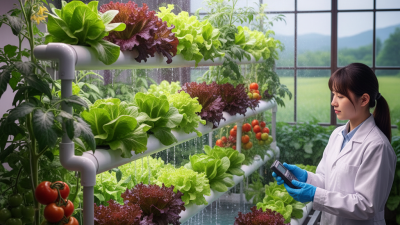
As the demand for sustainable agriculture grows, hydroponic equipment plays a central role in shaping the future of food production. In 2026, global buyers will seek efficient, reliable, and innovative tools that enhance their hydroponic systems. This equipment not only boosts productivity but also minimizes the environmental impact of farming.
There are various types of hydroponic equipment designed for different needs. From nutrient delivery systems to LED grow lights, each plays a critical part in plant growth. However, selecting the right equipment can be challenging. Misinformation often leads buyers to make poor choices. It's essential to rely on credible sources that emphasize proven methods and reliable brands.
While many advancements exist, challenges remain in adopting these technologies globally. Some regions may struggle with high costs or lack of knowledge. Thus, effective education and support are necessary for widespread success. Buyers must navigate these hurdles while ensuring they invest in the best hydroponic equipment available in the market.
Emerging Trends in Hydroponics Technology for 2026
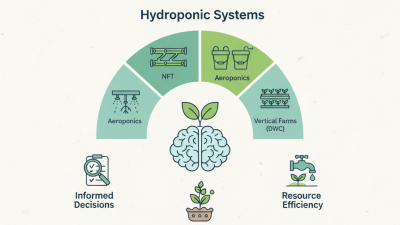
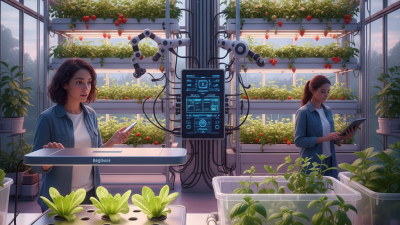
Emerging technologies in hydroponics are reshaping how we approach agriculture. In 2026, advanced sensor systems promise to enhance plant monitoring. These sensors can track moisture, light, and nutrient levels accurately. This data-driven approach allows growers to make informed decisions, optimizing plant growth.
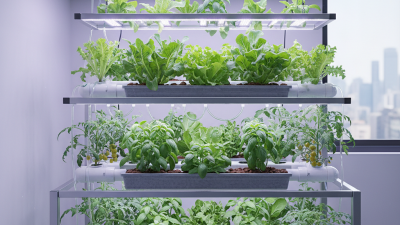
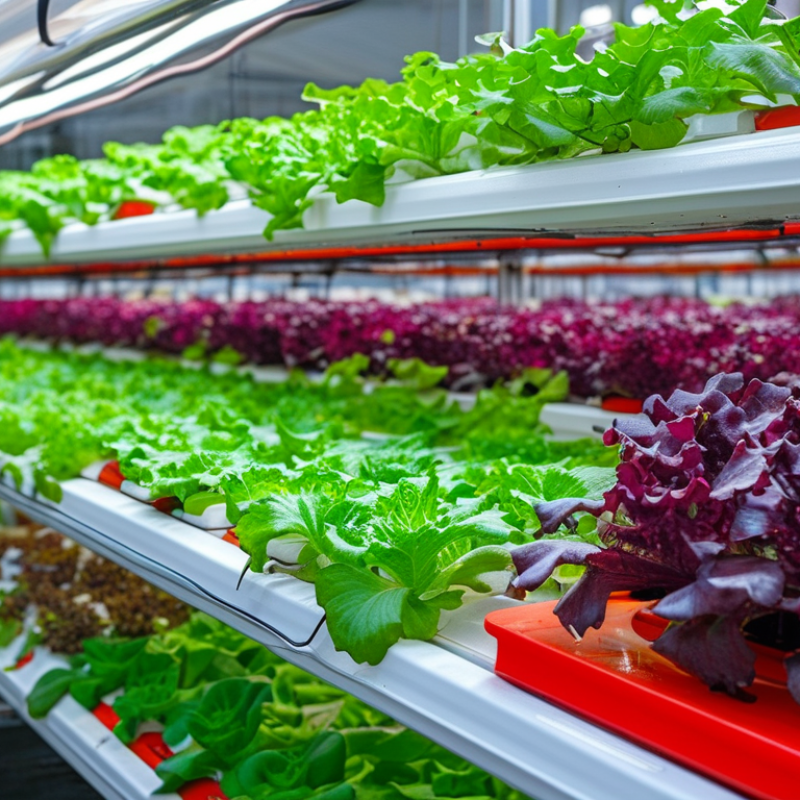
Moreover, vertical farming is gaining momentum. These farms utilize limited space efficiently. They incorporate LED lights to simulate sunlight, which helps plants thrive indoors. The compact nature of vertical systems may lead to reduced transportation costs, positively impacting food supply chains.
While these advancements are promising, challenges remain. Not all growers can access cutting-edge technology. The initial investment can be significant. Additionally, training is crucial for effective implementation. Without proper knowledge, even the best systems may underperform. Balancing innovation and accessibility will be key in the coming years.
Key Hydroponic Equipment for Commercial Growers in 2026
Investing in hydroponic equipment is crucial for commercial growers. In 2026, a few key items will stand out. Nutrient delivery systems are essential, ensuring plants receive the right nutrients at the right time. Grow lights have evolved significantly. LED technology offers energy efficiency and a spectrum tailored to plant needs.
Water quality management is another focus. Maintaining pH and nutrient levels can make a difference. Many growers overlook this. Regular testing and adjustments can prevent issues down the line.
Tips: Always keep a maintenance log. This helps track equipment performance. Consider joining local grower communities. Sharing experiences can minimize mistakes. Remember, every piece of equipment requires learning. Some growers might struggle initially, but persistence is key.
Essential Hydroponic Systems for Home Gardening Enthusiasts
Hydroponic gardening is gaining popularity among home gardening enthusiasts. This method allows individuals to grow plants without soil, using nutrient-rich water instead. It offers several advantages, including faster growth rates and the ability to grow in limited spaces.
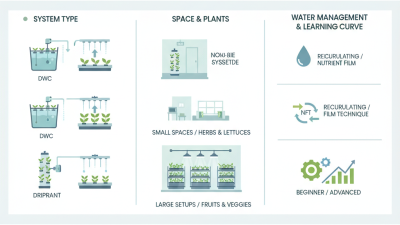
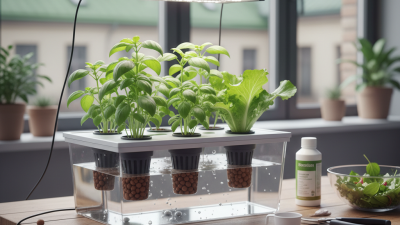
There are various hydroponic systems available to suit different needs. Nutrient Film Technique (NFT) is ideal for small spaces and can yield high results. Deep Water Culture (DWC) allows roots to stay submerged in a nutrient solution, promoting healthy growth. Aeroponics and Vertical systems are also notable for maximizing space and optimizing resource use. Each system has its own set of requirements and learning curves.
However, beginners may face challenges. Choosing the right nutrients is crucial but can be confusing. Regular monitoring of pH levels and nutrient concentrations is essential, yet it may seem overwhelming at first. Mistakes in these areas can lead to poor plant health. Patience and persistent learning are vital for success in hydroponics. Gardening enthusiasts may need time to perfect their setups and understand their plants’ needs. Embracing these challenges is part of the journey to thriving hydroponic gardening.
Comparative Analysis of Hydroponic Nutrient Solutions
In 2026, hydroponic nutrient solutions will play a pivotal role in the success of indoor and vertical farming. These solutions provide essential nutrients directly to plants, ensuring efficient growth in a soil-less environment. Understanding the different formulations available is crucial for global buyers seeking effective hydroponic systems.
When choosing nutrient solutions, look for balanced formulations that cater to specific plant needs. For leafy greens, a nitrogen-rich solution is advantageous. For fruiting plants, higher levels of phosphorus and potassium are essential for optimal yield. Always consider the growth stage of the plants. Young plants have different requirements than those in the flowering stage.
**Tips:** Always test nutrient concentrations. Use a reliable pH meter to ensure optimal nutrient absorption. Mix solutions with care, as imbalances can lead to nutrient lockout. Monitor plant health closely, as drooping leaves can indicate nutrient deficiencies. Regularly change the nutrient solution to prevent pathogens and algae build-up.
Investing in quality hydroponic nutrient solutions is essential for maximizing crop production. Be prepared for adjustments based on your specific environmental conditions and plant preferences. Continuous learning and adaptation are vital in this ever-evolving field.
Top Hydroponic Equipment for Global Buyers in 2026 - Comparative Analysis of Hydroponic Nutrient Solutions
| Nutrient Solution Type |
pH Range |
Electrical Conductivity (EC) |
Recommended Plants |
Shelf Life |
| General Hydroponic Solution |
5.5 - 6.5 |
1.5 - 2.5 mS/cm |
Lettuce, Basil, Tomatoes |
2 years |
| Organic Nutrient Blend |
6.0 - 6.8 |
1.0 - 2.0 mS/cm |
Herbs, Leafy Greens |
1 year |
| High-Performance Fertilizer |
5.8 - 6.5 |
2.0 - 3.0 mS/cm |
Fruiting plants, Vegetables |
2.5 years |
| Custom Blend Nutrient |
5.5 - 6.3 |
1.5 - 2.2 mS/cm |
Prized Herbs, Microgreens |
1.5 years |
Sustainable Practices in Hydroponic Farming Equipment for 2026
Sustainable hydroponic farming is evolving rapidly. As we approach 2026, the focus on eco-friendly practices is more crucial than ever. Integrating sustainability into hydroponic systems not only aids the environment but also improves crop yield and quality. Many farmers are experimenting with organic growth media and recyclable components. Simple changes can make a significant impact.
Water efficiency remains a key concern. Advanced irrigation systems, like drip setups, save water while delivering nutrients precisely. Regular monitoring of water pH levels can reduce waste and ensure plant health. This kind of diligence requires time and attention, but it is rewarding. By minimizing water usage, farmers can address global water scarcity issues.
Sustainable energy sources are gaining traction. Solar panels and wind turbines are becoming common features in hydroponic setups. These efforts can appear costly upfront but lead to savings over time. Transitioning to renewable energy requires a shift in mindset and involves challenges. Farmers must weigh the benefits against initial investments. It's a balancing act that demands careful planning and commitment to sustainable practices.