What Are the Top Cat Treats Manufacturers in China?

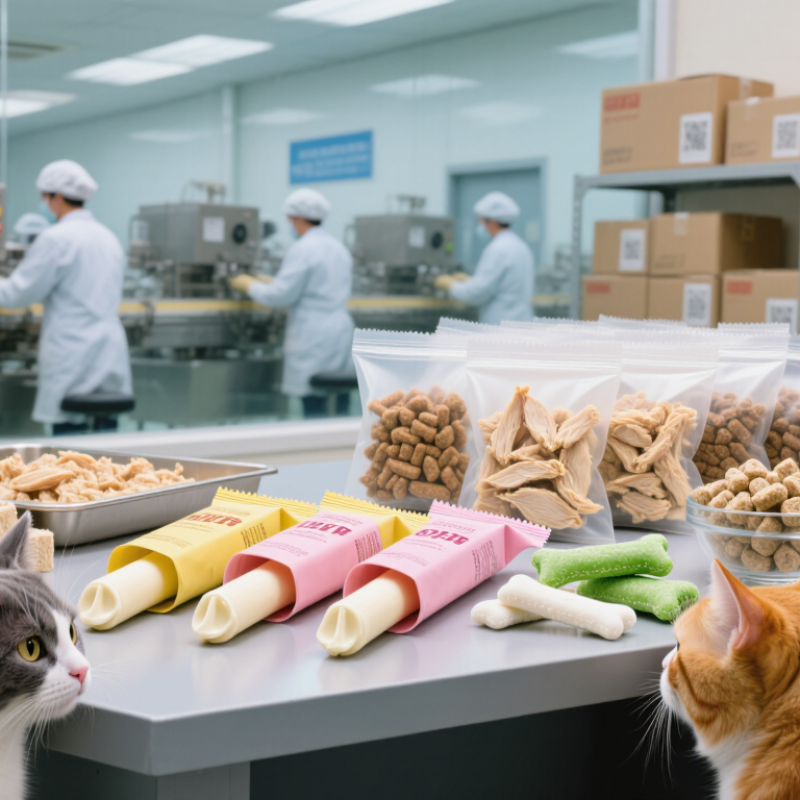
China has become an important production base for the global pet nutrition industry. Its factories serve domestic brands, retailers, and overseas buyers. Cat Treats now include freeze-dried meat, creamy snacks, dental chews, and functional formulas.

Market evidence supports this growing attention. Euromonitor International’s pet care research identifies China as a major emerging market for premium pet products. Grand View Research also reports continued expansion in the global pet food sector, supported by humanization and demand for convenient nutrition. China’s Pet Industry White Paper reports similar changes, including stronger spending on quality, health, and ingredient transparency. However, these reports use different samples and definitions. Their figures should not be compared mechanically.

This guide examines leading Cat Treats manufacturers in China through practical purchasing criteria. These include factory experience, ingredient traceability, production capacity, palatability testing, and quality-control systems. Reliable suppliers should provide clear specifications, batch records, laboratory results, and export documentation. Certifications such as HACCP or ISO 22000 can support confidence, but certificates alone prove little. Verification still matters.

A good product should look consistent in the pouch. It should smell clean, not sharply chemical. Packaging should protect texture and freshness during shipping. Manufacturers must also follow destination-market rules for ingredients, labeling, claims, and import approval. Requirements vary widely.

No ranking is perfect. Public data can be incomplete, outdated, or promotional. Therefore, this overview combines industry research with manufacturer evidence and buyer-focused checks. It aims to identify dependable partners, not merely factories with impressive websites. The strongest candidates balance scale, safety, innovation, and honest communication.

What Are the Top Cat Treats Manufacturers in China?

What Makes a Cat Treat Manufacturer Stand Out in China?

A standout cat treat manufacturer in China is not defined by a polished catalog alone. It shows how ingredients move from approved suppliers to finished packs. During a factory evaluation, buyers should inspect receiving areas, storage rooms, and production lines. Clean floors matter. So do temperature records, pest controls, and batch labels.

Reliable manufacturers explain their quality system without vague promises. They should provide ingredient specifications, laboratory reports, and traceability records for each production lot. Testing may cover moisture, protein, microbial safety, and shelf stability. Skilled teams also understand feline nutrition, texture preferences, and portion sizes. Small details matter, such as uniform treat thickness and packaging that limits air and humidity.

A strong supplier welcomes independent audits and keeps corrective action records. That openness is important when a test result falls outside expectations. No factory is perfect. In practice, communication delays, changing raw material quality, or unclear translations can create avoidable risks. I would ask how the manufacturer handles rejected batches, customer complaints, and formula changes. Clear answers reveal more than sales presentations. A dependable partner also provides pilot production before large orders, allowing buyers to check aroma, texture, seal strength, and cat acceptance. The cheapest quotation may hide weaker controls. Reliability needs evidence.

What Are the Top Cat Treat Manufacturers in China?

What Makes a Cat Treat Manufacturer Stand Out in China?

This procurement benchmark highlights the main evidence buyers should review when evaluating Chinese cat treat manufacturers. The 0–5 scale measures the strength of verifiable documentation, not company size, market share, or brand performance.

How China’s Cat Treat Manufacturing Industry Is Organized

What Are the Top Cat Treats Manufacturers in China?

China’s cat treat manufacturing industry is organized around regional clusters, factory specialization, and export-oriented supply chains. The 2023 China Pet Industry White Paper reported more than 100 million urban dogs and cats, supporting steady demand for convenient, functional snacks. Production is concentrated in coastal provinces, where factories can access packaging suppliers, ports, laboratories, and skilled food-processing workers.

Manufacturers usually operate in three layers. Large facilities manage formulation, drying, sterilization, testing, and overseas documentation. Mid-sized factories often provide OEM or ODM production for buyers with specific recipes and packaging needs. Smaller workshops may focus on one product type, such as freeze-dried meat, fish strips, or creamy snacks. The best suppliers are not always the largest. Their records for batch traceability, moisture control, and allergen management matter more.

Euromonitor International’s 2024 pet care data identifies China as a major growth market in Asia. Mordor Intelligence also forecasts continued expansion in the global pet treats market through 2029. These figures explain why Chinese factories are adding automated filling lines and in-house testing equipment. Still, data can hide uneven quality. A polished facility may lack consistent raw-material verification. Buyers should inspect audit reports, production samples, recall procedures, and laboratory certificates. Ask difficult questions. One overlooked detail is shelf-life testing under humid storage conditions, especially for products shipped through tropical climates.

What Are the Top Cat Treats Manufacturers in China? - How China’s Cat Treat Manufacturing Industry Is Organized
Industry Dimension Typical Organization of China's Cat Treat Manufacturing Industry Why This Matters to Buyers Useful Verification Points
Manufacturing geography Production is concentrated mainly in China's coastal manufacturing provinces, including Guangdong, Zhejiang, Jiangsu, Shandong and nearby industrial areas. Coastal clusters generally provide better access to ingredient suppliers, packaging producers, ports, laboratories and logistics services. Confirm the factory's registered address, production address and export-port arrangements.
Supplier structure The sector includes dedicated pet-food factories, diversified food manufacturers, contract manufacturers and trading companies that outsource production. A trading company may offer sourcing flexibility, while a direct factory usually provides clearer control over production and quality records. Request the manufacturing license, factory photos, production-line details and a direct factory audit.
Main product formats Common cat-treat categories include freeze-dried meat, dehydrated meat, wet treats, canned or pouch products, dental treats, soft snacks and functional treats. Each format requires different equipment, moisture control, packaging and shelf-life validation. Review the product specification, moisture level, water activity, storage conditions and shelf-life test.
Raw-material sourcing Manufacturers commonly source poultry, fish, meat, animal by-products, starches, plant ingredients, oils and functional additives through domestic and international supply chains. Ingredient origin and batch consistency can directly affect palatability, nutritional quality and regulatory acceptance. Check approved-supplier lists, certificates of analysis, traceability records and allergen controls.
Production process Typical operations include ingredient inspection, formulation, cooking or drying, shaping, filling, sealing, metal detection, packaging and finished-product release. Process control is especially important for high-moisture products and animal-protein treats. Ask for process-flow diagrams, critical-control-point records and batch-release procedures.
Private-label capability Many manufacturers support private-label orders involving custom formulas, packaging artwork, product sizes and minimum order quantities. Private-label production can shorten product-development time but may require higher minimum volumes for customized formulas or packaging. Confirm minimum order quantity, sample policy, formula ownership, tooling costs and lead time.
Quality-management systems More established factories commonly use documented quality systems, sanitation procedures, supplier approval, in-process inspections and finished-product testing. Documented systems reduce the risk of contamination, labeling errors, inconsistent texture and batch variation. Review audit reports, sanitation logs, corrective-action records and product-testing results.
Food-safety controls Controls typically address microbiological hazards, foreign materials, chemical residues, mycotoxins, oxidation and excessive moisture. The required test panel depends on the recipe, processing method and destination market. Request recent laboratory reports for microbiology, heavy metals, pesticide residues and other relevant risks.
Domestic compliance Manufacturers operating in China must follow applicable Chinese feed and pet-food administration requirements, including rules covering production, labeling and product management. A compliant domestic production setup is a basic prerequisite, but it does not automatically guarantee compliance in another country. Check current production qualifications, product labels and applicable Chinese regulatory filings.
Export compliance Export requirements vary by destination and may involve importer registration, approved establishments, ingredient restrictions, certificates, labeling rules and testing requirements. A factory experienced in one export market may still need additional documentation for a different region. Match the supplier's documents with the latest requirements of the destination authority and importer.
Packaging technology Common packaging solutions include pouches, sachets, trays, cans and resealable bags, with options such as oxygen barriers, nitrogen flushing and moisture protection. Packaging selection affects oxidation, texture, shelf life, shipping durability and retail presentation. Review packaging-material specifications, seal-strength tests, migration compliance and storage trials.
Order economics Pricing is influenced by protein type, ingredient grade, processing method, packaging format, order quantity, testing requirements and shipping terms. The lowest quoted price may not include formula development, testing, artwork, molds, inspection or export documentation. Compare complete quotations using the same formula, pack size, Incoterm, test scope and delivery schedule.
Product development Factories with in-house technical teams may provide formulation adjustment, palatability trials, texture development, packaging trials and stability testing. Technical support is valuable when launching functional treats or products with specific nutritional and sensory targets. Ask for development timelines, prototype records, testing methods and ownership of the final formula.
Traceability and recalls Mature operations link incoming ingredients, production batches, packaging materials and finished goods through documented batch codes. Effective traceability allows faster investigation and targeted recalls if a quality issue occurs. Request a sample traceability exercise from finished product back to raw-material batches.
How to identify a strong manufacturer The strongest candidates usually combine valid qualifications, stable production capacity, transparent sourcing, reliable testing, export experience and consistent batch performance. Supplier selection should be based on verified capabilities rather than catalog size, online listings or a single low quotation. Use samples, factory audits, third-party inspections, reference checks and a controlled trial order.

Leading Types of Cat Treat Manufacturers in China

China’s cat treat industry includes several distinct manufacturer types.

OEM and ODM factories produce treats under a buyer’s formula, packaging, or specifications. They often handle soft chews, creamy snacks, and meat strips. Private-label producers offer ready-made recipes with flexible packaging options.

Specialized freeze-dried manufacturers focus on single-protein products, such as chicken breast cubes or small fish pieces. Their facilities usually emphasize low-temperature processing and moisture control.

Functional treat manufacturers develop recipes with added fiber, taurine, vitamins, or dental-support ingredients. However, added ingredients do not automatically prove better nutrition.

During supplier evaluations, I look beyond attractive samples.

A reliable factory should provide ingredient specifications, batch records, laboratory reports, and traceability documents. Production areas should separate raw materials from finished treats. Clear allergen controls also matter, especially for cats with sensitive digestion. Small trial orders can reveal texture changes, oil leakage, or weak packaging seals.

No supplier is perfect. Some factories communicate well but lack strong product development. Others have modern equipment but inconsistent documentation.

I would check processing temperatures, moisture levels, storage conditions, and recall procedures before placing a larger order. Independent testing remains useful, because paperwork alone can miss problems. A practical buyer should also review factory audits regularly, not only during the first purchase.

How to Evaluate Quality, Safety, and Production Standards

When comparing cat treat manufacturers in China, start with verifiable production evidence, not catalogue photography. The 2023 China Pet Industry White Paper estimated China’s urban dog and cat consumption market at approximately RMB 279.3 billion. That scale attracts capable factories, but also uneven quality. Ask for a current business license, production qualification, HACCP or ISO 22000 certification, and recent third-party audit reports. Certificates alone are not enough.

Review each ingredient specification carefully. A reliable manufacturer should provide supplier traceability, certificates of analysis, allergen controls, and batch records. Test reports should cover moisture, crude protein, fat, oxidation, heavy metals, and microbiological risks such as Salmonella. The Global Pet Food Market report by Pet Food Industry identifies safety, transparency, and functional nutrition as major purchasing concerns. Clear numbers matter. Vague claims do not.

Production standards need physical confirmation. Examine separated raw-material zones, sealed packaging rooms, metal detectors, cleaning logs, and retained samples from each batch. Check whether the factory follows relevant Chinese feed and labeling standards, while also supporting destination-market requirements. Small details reveal experience. Ask how temperature and humidity are controlled during storage. Request a mock recall record. Some suppliers may provide polished documents but weak floor-level discipline. I would still inspect the facility personally, because remote evaluation can miss dust, condensation, or inconsistent weighing. Even a strong factory can show gaps; honest corrective-action records are often more trustworthy than perfect paperwork.

How to Select the Right Chinese Cat Treat Manufacturer

Choosing the right Chinese cat treat manufacturer requires more than comparing prices. A reliable factory should provide clear ingredient specifications, production records, and recent laboratory reports. Ask whether the facility follows recognized food safety systems, such as HACCP or ISO-based procedures. You should also check how it controls moisture, allergens, storage conditions, and batch consistency. These details often affect a cat’s digestion more than attractive packaging.

Tips: Request samples from at least three manufacturers. Test smell, texture, seal quality, and feeding response. Ask for a small trial order before signing a large contract. Confirm the exact meat source, additive limits, shelf life, and carton strength. A video factory tour can help, but it cannot replace independent verification.

Experienced buyers should inspect communication as carefully as the product. Does the supplier answer technical questions directly? Can it explain recall procedures and traceability? A manufacturer that changes formulas without written approval creates unnecessary risk. I have found that low prices can hide weak documentation or inconsistent raw materials. Still, documentation alone is not proof of perfect quality. Samples may pass while later batches vary. Keep retained samples, record test results, and review every shipment. The best partner is not always the largest factory. It is the one that consistently delivers safe, transparent, and suitable treats for your target market.

Article Source: