How to Start Home Hydroponics in 2026 for Beginners?
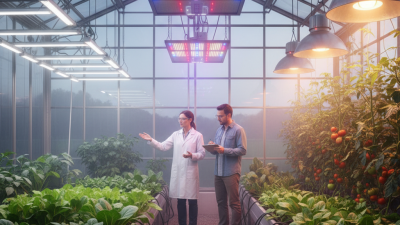
Starting home hydroponics in 2026 can transform your living space into a green oasis. According to Dr. Emily Green, a leading expert in urban agriculture, "Hydroponics is the future of sustainable gardening." This method allows you to grow fresh produce without soil, using nutrient-rich water instead.
Setting up home hydroponics may seem daunting. You might face challenges like selecting the right system or understanding nutrient balance. It’s crucial to remember that mistakes are part of the learning process. Perhaps your first plants don’t thrive, or your water system needs adjustment. These hurdles can provide valuable insights.
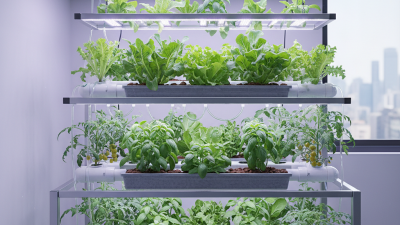
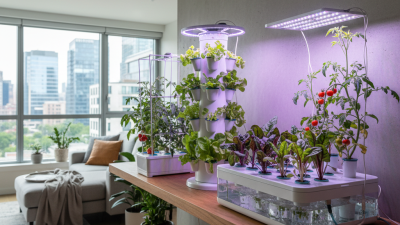
Home hydroponics is not just about growing food; it’s about enhancing your lifestyle. Picture lush greens on your windowsill or a dedicated space for fresh herbs. This journey takes patience and care. However, the rewards of fresh, home-grown vegetables are worth the effort. Gardening at home brings you closer to nature and improves your well-being. Embrace the imperfections and learn as you grow.
How Hydroponics Works: The Science Behind Soilless Gardening
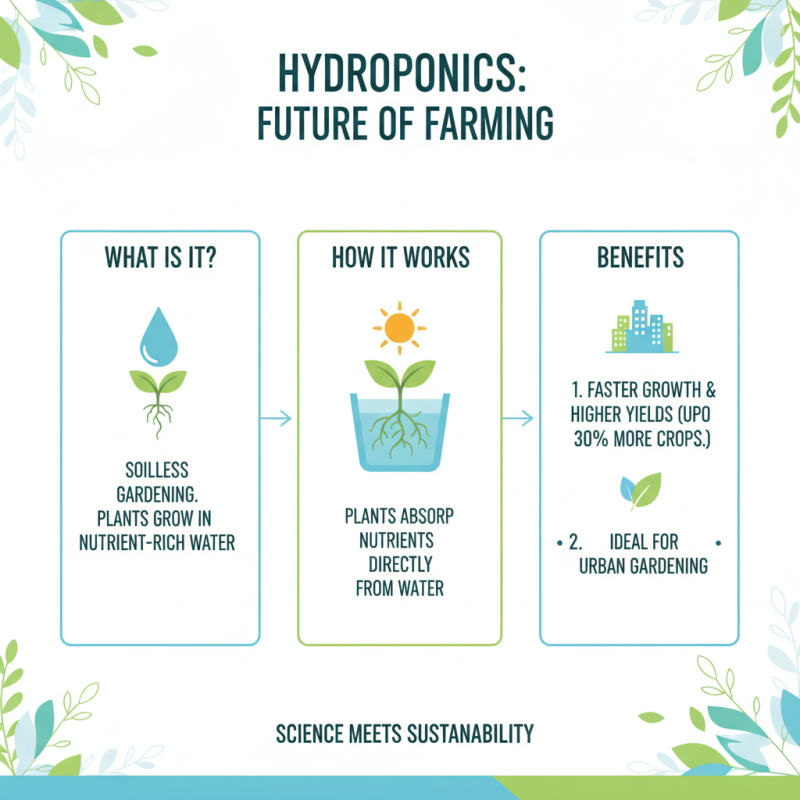
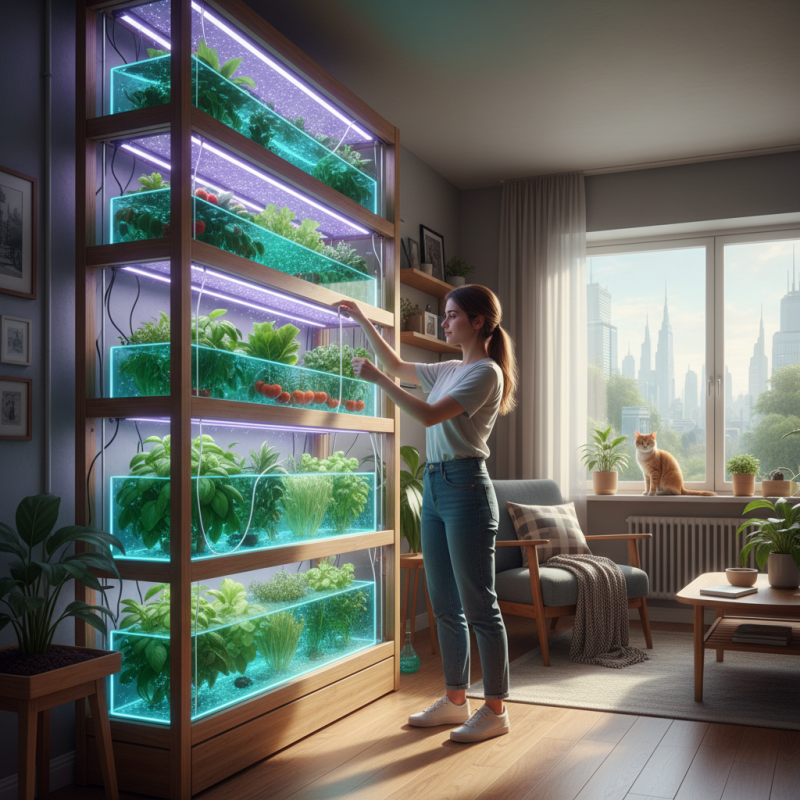
Hydroponics is a soilless gardening method that allows plants to grow in nutrient-rich water. The science is straightforward. Plants absorb essential nutrients directly from water. This results in faster growth and higher yields. According to industry reports, hydroponics can produce up to 30% more crops than traditional methods. This technique is gaining traction as urban gardening rises.
The key components are nutrient solutions and a growth medium. Common mediums include coconut coir and perlite. They provide support while allowing air and water to circulate. Water's pH level must be monitored. Ideal pH levels range from 5.5 to 6.5. Maintaining this can be challenging for beginners. Small imbalances can affect nutrient uptake.
Many people face challenges when starting hydroponics. Equipment can be costly and complex. Systems like deep water culture or nutrient film technique require careful setup. Regular maintenance is essential, but mistakes can occur. Chemical imbalances or algae growth can ruin your setup. It's vital to remain adaptable and patient. Every novice gardener learns through trial and error.
Essential Equipment for Beginners: What You Need to Get Started
Starting home hydroponics can be an exciting journey. To get going, you’ll need essential equipment. A growing system is the foundation. Options include deep water culture or nutrient film techniques. Choose one that fits your space. Lights are crucial, especially for indoor setups. LED grow lights are energy-efficient and effective.
Growing mediums play a key role too. Consider rock wool or coconut coir. These materials help retain moisture and provide support. You’ll also need nutrient solutions. They provide your plants with the necessary minerals. Test and adjust the pH regularly for optimal growth.
Tip: Clean your equipment regularly to avoid algae growth. This simple task can save you from bigger issues later. Be aware, mistakes can happen. Overwatering or improper light can hinder growth. Keep a journal to track what works and what doesn’t. This is a great way to learn and improve your setup.
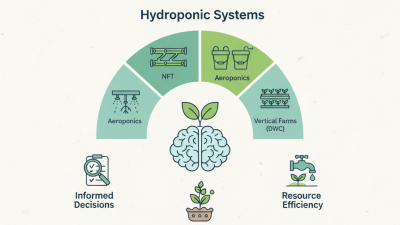
Choosing the Right Hydroponic System: Deep Water Culture vs. Others
Choosing the right hydroponic system is crucial for beginners.
Deep Water Culture (DWC) offers a simple yet effective approach.
In DWC, plants grow with their roots submerged in nutrient-rich water.
This technique promotes fast growth, as plants can access ample oxygen and nutrients.
However, DWC isn't without challenges. Maintaining the right water temperature is essential.
If it gets too warm, it can lead to root rot.
Beginners may struggle with pH balance, which affects nutrient absorption.
Regular monitoring is needed, and this can become tedious.
Other systems, like Nutrient Film Technique (NFT) or Ebb and Flow, provide different advantages.
NFT uses a thin film of nutrient solution. It requires less water than DWC.
Yet, if the pump fails, plants can quickly suffer.
Ebb and Flow systems offer flexibility but can be more complex to set up.
Choosing a system requires reflection on your space and commitment.
Consider your experience level.
Each system has its quirks and learning curves. Your choice could determine your success in home hydroponics.
Nutrient Solutions: Understanding pH and EC for Healthy Plants
Understanding pH and electrical conductivity (EC) is crucial for successful home hydroponics. pH measures acidity or alkalinity in the nutrient solution. Ideally, maintaining a pH of 5.5 to 6.5 is vital for plant health. If pH levels drift outside this range, plants may struggle to absorb nutrients.
EC indicates the concentration of nutrients in your solution. A balanced EC supports plant growth. Typical EC levels for most plants range from 1.5 to 2.5 mS/cm. It’s important to monitor EC regularly. If it’s too high, plants may suffer from nutrient burn. Too low? They may experience nutrient deficiencies.
Finding the right balance between pH and EC requires regular testing. It can be challenging for beginners. Mistakes can lead to poor growth or even plant loss. Consider keeping a log to track adjustments. Learning from these experiences is part of the journey. Don't be afraid to experiment, but also reflect on the outcomes.
Common Mistakes in Home Hydroponics: Tips to Ensure Success
Starting home hydroponics can be rewarding but also challenging. Many beginners make mistakes that lead to frustration. One common error is overwatering plants. Hydroponics relies on a delicate balance. Too much water can drown the roots, stunting growth. Ensure drainage is adequate and monitor moisture levels closely.
Another frequent pitfall is neglecting nutrients. Hydroponic systems need regular nutrient solutions for plants to thrive. Following the instructions can be overwhelming. Some beginners either underfeed or overfeed their plants. Both situations can cause poor yields. Regularly check nutrient levels. Adjust as needed to ensure healthy growth.
Lighting is critical in hydroponics, yet many fail to recognize its importance. Insufficient light can lead to leggy plants. On the other hand, too much light can cause heat stress. Measure the distance between plants and lights. Experiment with different setups to find what works best. Mistakes are part of the learning curve. Be flexible and ready to adapt.
How to Start Home Hydroponics in 2026 for Beginners? - Common Mistakes in Home Hydroponics: Tips to Ensure Success
| Dimension |
Details |
| Growing Medium |
Use a soilless mix like coconut coir or perlite for optimal drainage and aeration. |
| Light Requirements |
Utilize LED grow lights for 12-16 hours a day, providing the right spectrum for plant growth. |
| Watering Technique |
Employ a nutrient-rich solution and ensure proper pH (5.5-6.5) for optimal nutrient uptake. |
| Common Mistake #1 |
Overwatering can lead to root rot, so it's crucial to monitor moisture levels regularly. |
| Common Mistake #2 |
Neglecting light needs can stunt growth. Always ensure adequate light conditions are met. |
| Nutrient Management |
Regularly check and adjust nutrient levels according to plant growth stages. |
| Pest Control |
Implement integrated pest management techniques to prevent infestations. |