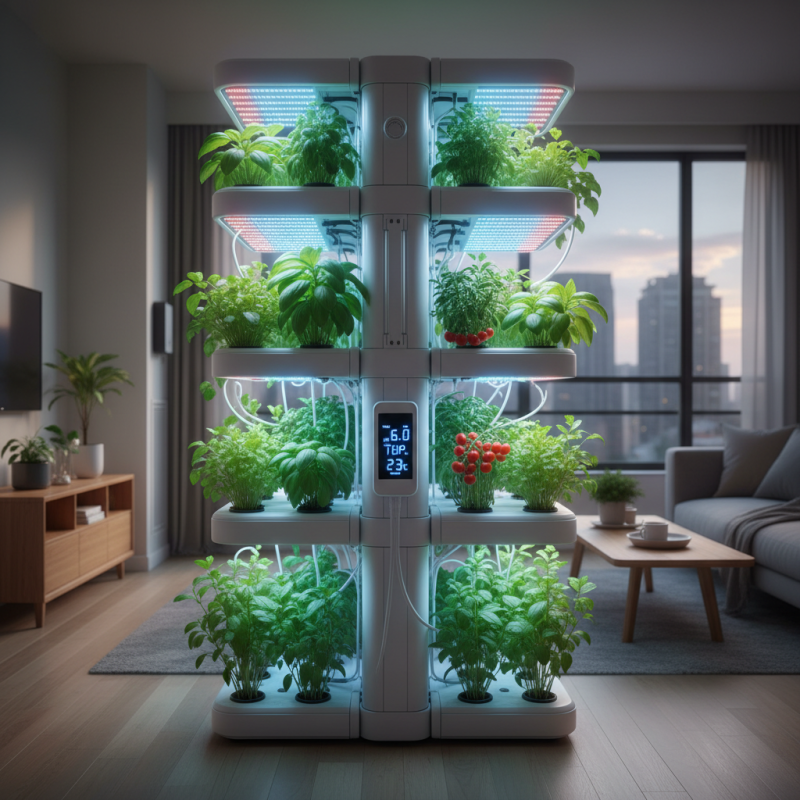
Why You Should Start a Hydroponic Setup for Home Gardening Today
In recent years, home gardening has gained immense popularity, with more individuals seeking sustainable and efficient ways to grow their own food. One innovative method that stands out is the hydroponic setup. This soil-less gardening approach offers numerous advantages, including space efficiency, reduced water usage, and accelerated plant growth. By creating an optimal environment for plants, a hydroponic setup enables even novice gardeners to cultivate a thriving garden indoors or in compact outdoor spaces.
As we face rising concerns about food security and the environmental impact of traditional agriculture, hydroponics presents a viable solution for urban dwellers and those wanting to reduce their carbon footprint. With minimal equipment and a little bit of knowledge, anyone can start their own hydroponic setup and enjoy fresh, home-grown produce year-round. Not only does this method promote sustainability, but it also allows for greater control over the growth conditions, resulting in healthier plants free from pesticides and herbicides.
Whether you're looking to enhance your culinary skills with fresh herbs or aiming to produce your own vegetables, diving into the world of hydroponics can be a rewarding venture. Embrace this innovative gardening technique today and transform your relationship with food while nurturing your green thumb through a personalized hydroponic setup.
Benefits of Hydroponics for Home Gardening Enthusiasts
Hydroponics has emerged as a game-changer for home gardening enthusiasts, offering a wide array of benefits that traditional soil gardening cannot match. One of the primary advantages is space efficiency; hydroponic systems can thrive in smaller areas, making it ideal for urban dwellers or those with limited outdoor space.
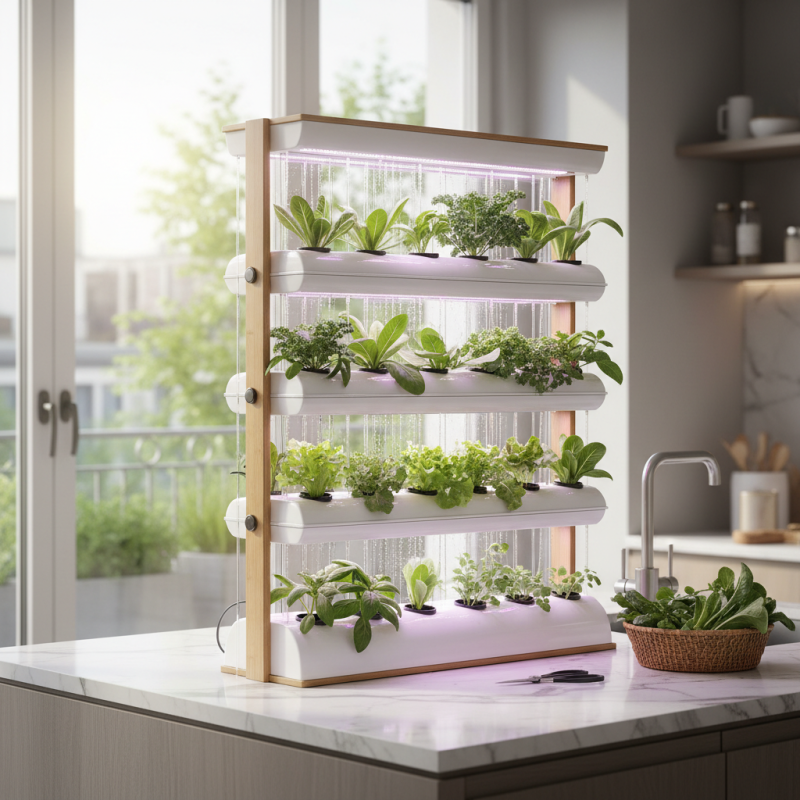
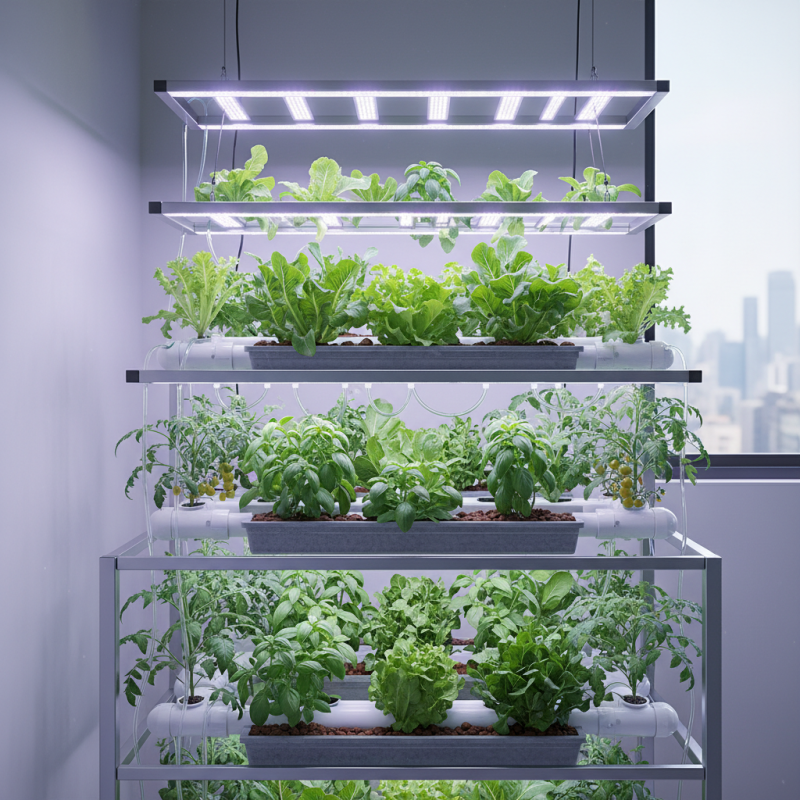
Vertical setups and container systems allow gardeners to maximize their yield without the need for expansive plots, enabling them to grow a diverse range of plants in confined spaces.
Another significant benefit of hydroponics is the ability to control growing conditions more precisely. By managing factors such as pH, nutrients, and water levels, hobbyists can create an optimal environment for plant growth. This controlled setting not only leads to faster plant development but also results in higher yields and better quality produce. Additionally, hydroponic gardening typically uses fewer resources than traditional methods, as it requires up to 90% less water and reduces the need for pesticides, making it an environmentally friendly option for those passionate about sustainable living.
Essential Equipment for Setting Up a Hydroponic System
Setting up a hydroponic system at home can be a rewarding endeavor for any gardening enthusiast. To get started, there are several essential pieces of equipment you'll need. First and foremost, a hydroponic grow kit provides a comprehensive setup that includes containers, grow lights, and nutrient solutions. These kits are designed to simplify the process, making them ideal for beginners. Additionally, you'll require a pump to circulate water and nutrients throughout your system, ensuring that your plants receive the necessary support for growth.
Tips: When choosing your hydroponic system, consider the space available in your home. Vertical systems are great for small areas, allowing you to maximize your planting capacity. Moreover, ensure your setup is easily accessible for maintenance, as regular checks on water levels and nutrient concentrations are crucial for healthy plant growth.
Another essential component is the growing medium. Unlike traditional soil gardening, hydroponic systems can utilize various mediums such as rock wool, clay pellets, or coconut coir. Each has its pros and cons, so it's important to research which one aligns best with your chosen plants. Investing in a reliable pH meter is also advisable, as maintaining the correct pH levels in your nutrient solution is vital for optimal nutrient absorption.
Tips: Start with easy-to-grow plants like lettuce, herbs, or spinach. They are forgiving for beginners and can provide a quicker sense of achievement, encouraging you to explore more complex plants in the future.
Hydroponic Setup: Essential Equipment for Home Gardening
Choosing the Right Plants for Hydroponic Gardening
When starting your hydroponic garden, selecting the right plants is crucial for a successful and rewarding experience. Leafy greens like lettuce, spinach, and kale are excellent choices for beginners. They grow quickly and adapt well to hydroponic systems, allowing you to enjoy fresh produce within weeks. Additionally, herbs such as basil, cilantro, and mint thrive in hydroponic setups and can add flavor to your culinary creations while requiring minimal space.
Tip: Ensure that the pH levels of your nutrient solution are within the optimal range for the plants you choose. Most leafy greens prefer a pH of around 5.5 to 6.5 for maximum nutrient uptake.
As you gain confidence, consider incorporating fruiting plants like tomatoes or strawberries into your setup. These plants may require more attention and specific conditions, but the rewards of harvesting home-grown fruits can be incredibly satisfying. Keep in mind that these plants may need support structures to manage their growth.
Tip: Start with a small variety of plants and gradually expand as you learn about the needs and growth patterns of each. Monitoring your plants closely will help you understand what works best in your unique hydroponic environment.
Step-by-Step Guide to Starting Your Hydroponic Setup
Starting a hydroponic setup for home gardening has never been more accessible or beneficial. Hydroponics, a method of growing plants without soil, has gained popularity due to its efficiency and ability to yield fresh produce year-round. According to a report from the Grand View Research, the global hydroponics market size is projected to reach $16 billion by 2025, thanks to advancements in technology and increasing awareness of sustainable practices. By setting up your own hydroponic garden, you not only contribute to this growing trend but also empower yourself to grow healthy, chemical-free vegetables at home.
To begin your hydroponic journey, it's essential to understand the basic components of a system. A simple hydroponic setup requires a growing container, a nutrient solution, a water source, and a light source if you are growing indoors. First, choose the type of system that suits your space—Nutrient Film Technique (NFT) or Deep Water Culture (DWC) are popular choices for beginners. Ensure to balance the pH level of your nutrient solution, ideally between 5.5 and 6.5, to maximize nutrient absorption.
Tips: Start with easy-to-grow crops like lettuce or herbs to build your confidence. Regular monitoring of nutrient levels and system cleanliness can prevent common problems like algae growth and nutrient lockout. Additionally, consider using LED grow lights if you're limited by natural sunlight; they consume less energy and provide a full spectrum of light essential for plant growth. By following these steps, you can create a thriving hydroponic garden in your home while enjoying the many benefits it brings.
Maintaining and Troubleshooting Your Hydroponic Garden
Maintaining and troubleshooting your hydroponic garden is crucial for maximizing yield and ensuring healthy plant growth. According to a report by the International Society for Horticultural Science, hydroponic systems can produce up to 30% more crops than traditional soil-based methods when managed properly. Regular monitoring of nutrient levels, pH balance, and water quality is essential. A pH level between 5.5 and 6.5 is generally ideal for most hydroponic plants. Be prepared to adjust your nutrient solutions based on plant response and environmental changes to maintain optimal growth conditions.
Tips: Always begin with small batches of plants and gradually scale up as you gain experience. This allows you to identify potential issues without risking a large crop. Invest in pH and EC meters to easily monitor and adjust your solution concentrations, ensuring that your plants receive the necessary nutrients at the right levels.
Common issues in hydroponics include nutrient deficiencies, root rot, and pests. Prevent these problems by practicing good hygiene in your system and using filtered water. Conduct regular inspections of your plants to catch any signs of distress early, such as yellowing leaves or wilting. Implementing an Integrated Pest Management (IPM) approach can also be effective in controlling pests while minimizing chemical use.
By maintaining a structured routine for monitoring and troubleshooting, any home gardener can enjoy the benefits of a flourishing hydroponic setup.
Hydroponic Garden Maintenance and Troubleshooting Guide
| Issue |
Symptoms |
Solutions |
Preventive Measures |
| Nutrient Deficiency |
Yellowing leaves, stunted growth |
Adjust nutrient solution concentrations |
Regularly monitor nutrient levels |
| pH Imbalance |
Brown leaf tips, nutrient lockout |
Use pH up or down solutions to correct |
Test pH regularly with a reliable meter |
| Algae Growth |
Green film on surfaces, decreased oxygen |
Increase nutrient solution oxygenation, reduce light exposure |
Cover tanks to limit light and keep temperatures cool |
| Pest Infestation |
Visible pests, damaged plants |
Apply organic pesticides or neem oil |
Maintain cleanliness and inspect plants regularly |