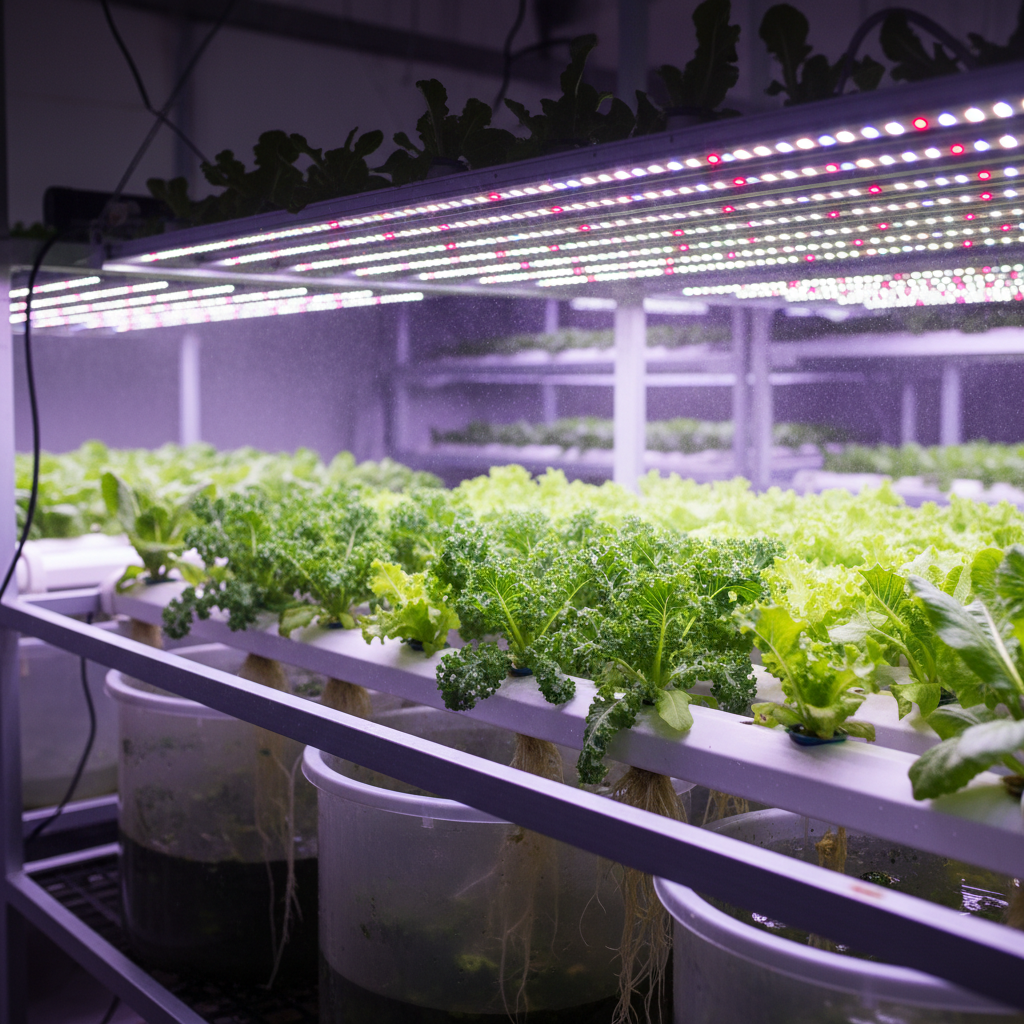
Hydroponic growing is rapidly transforming the way we cultivate plants, offering an innovative and sustainable alternative to traditional farming practices. According to Dr. Linda Chappell, a leading expert in the field of hydroponics, "The future of agriculture lies in our ability to harness technology and redefine how we nurture our crops.” This statement resonates strongly with those embarking on their hydroponic journey, especially beginners looking to optimize yield while minimizing resource consumption.
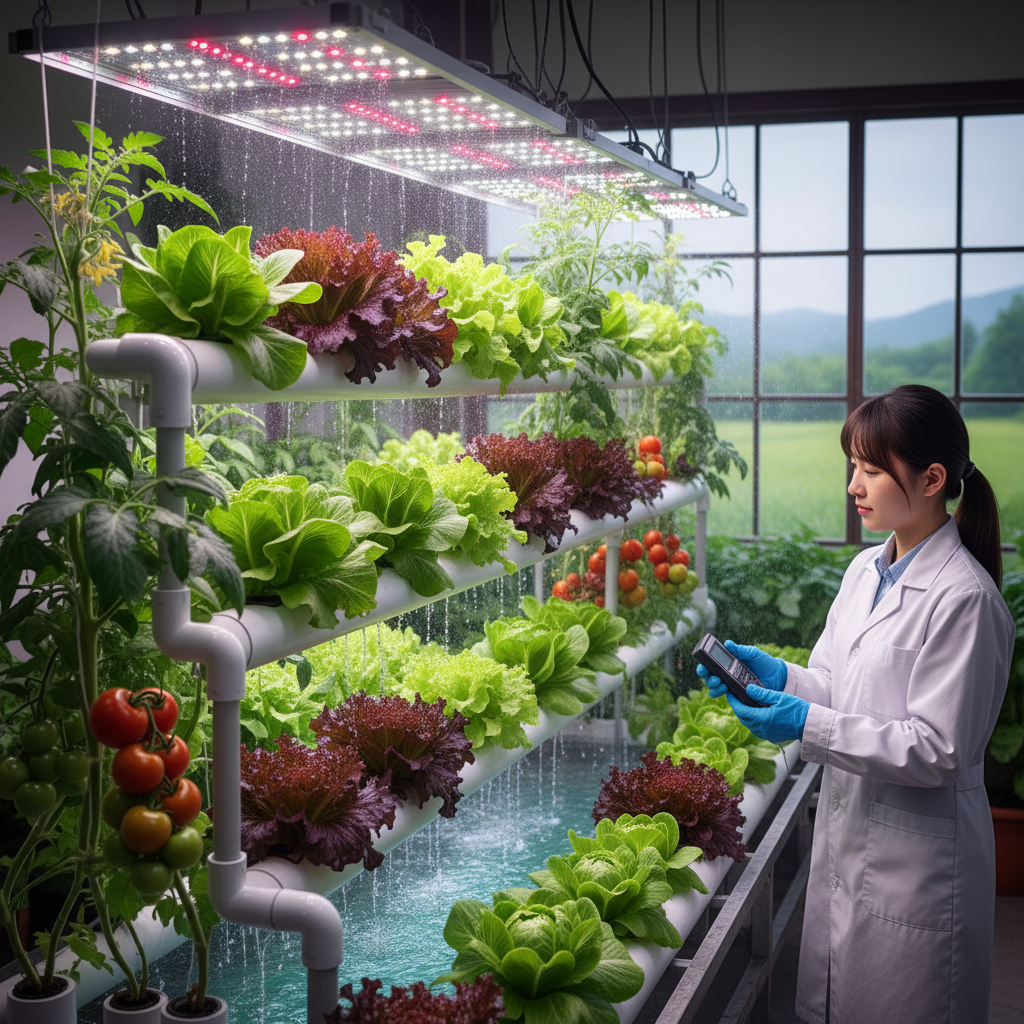
As more individuals turn to hydroponic growing to produce fresh, healthy food in limited spaces, understanding the essential tips and techniques becomes crucial. From selecting the right nutrient solutions to monitoring pH levels, each step significantly impacts the overall success of the growing process. Embracing these hydroponic growing tips not only enhances productivity but also empowers beginners to become more adept at managing their indoor gardens.
By exploring the top strategies for maximizing yield, new growers can navigate the complexities of hydroponic systems with confidence. Equipped with knowledge and insights from experts like Dr. Chappell, they can cultivate vibrant, high-yielding plants and contribute to a more sustainable future in agriculture.
To maximize hydroponic yield, understanding the key growth factors is essential.
First and foremost, light plays a crucial role in plant development. Proper spectrum selection,
duration, and intensity can significantly influence photosynthesis, directly impacting growth rates and yields.
Utilizing full-spectrum LED lights not only mimics natural sunlight but also allows for precise control over light conditions,
catering to the specific needs of different plant species.
Another vital factor is nutrient balance. Hydroponic systems rely on nutrient-rich solutions
to provide plants with essential elements. It's important to regularly monitor and adjust nutrient levels to meet the changing needs of plants as they grow.
Elements such as nitrogen, phosphorus, and potassium should be carefully balanced, with occasional supplements of micronutrients
like calcium and magnesium, ensuring optimal health and productivity. Additionally, maintaining pH
and electrical conductivity (EC) in the right ranges encourages nutrient uptake, contributing to enhanced growth and yield in hydroponic systems.
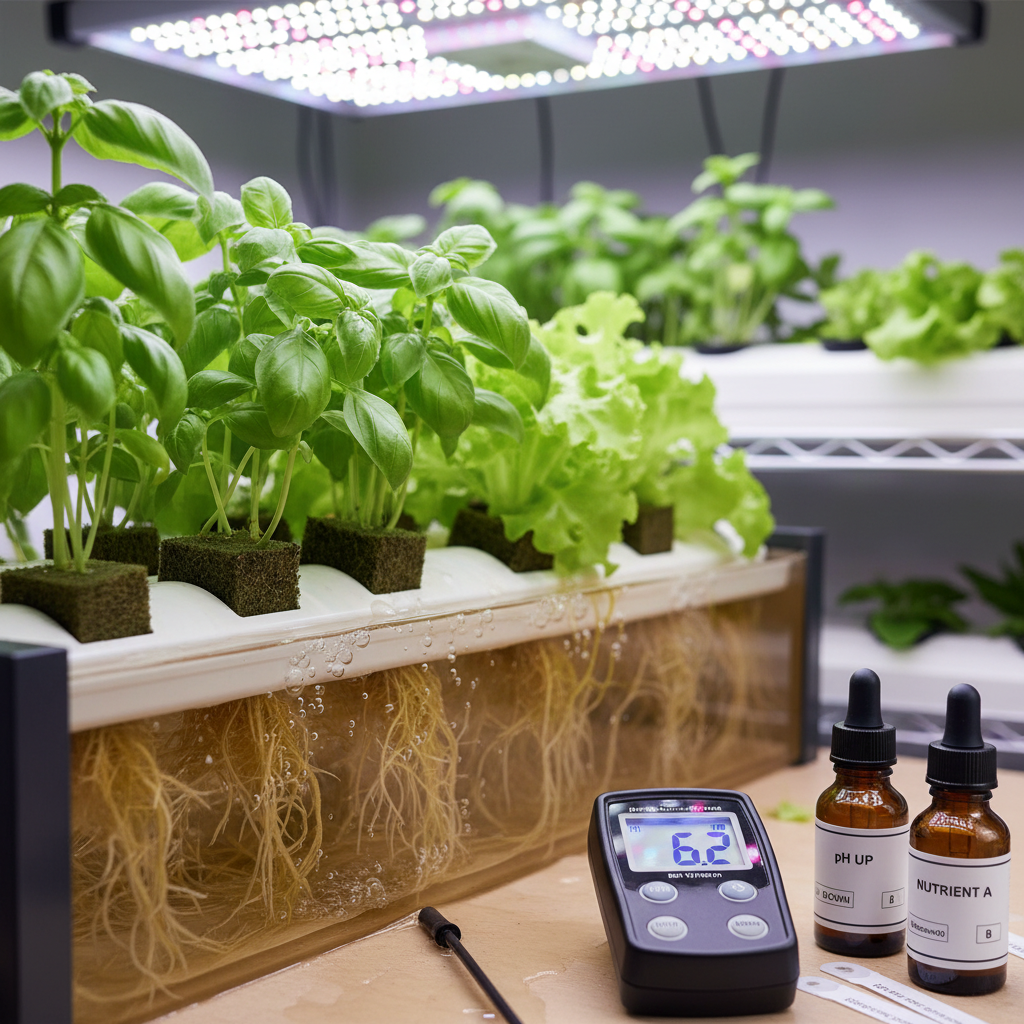
To achieve optimal plant health in hydroponics, understanding the role of nutrient solutions is crucial. One of the key factors in maintaining a healthy environment for your plants is balancing pH and electrical conductivity (EC). The ideal pH level for most hydroponic crops falls between 5.5 and 6.5, which ensures that plants can effectively absorb nutrients. Regularly testing and adjusting the pH of your nutrient solution can prevent deficiencies and promote vigorous growth.
In addition to pH, monitoring the EC is essential to determine the concentration of nutrients in your solution. A higher EC indicates more nutrients available, but it's vital not to exceed the optimal levels, as this can lead to nutrient burn. Beginners should aim for an EC range of 1.5 to 2.5 mS/cm, depending on the type of plants being grown. Tuning these parameters can significantly enhance yield and plant vitality.
Tip 1: Use a quality pH meter and EC meter to keep your readings accurate.
Tip 2: Start with lower nutrient concentrations and gradually increase as plants mature.
Tip 3: Regularly change the nutrient solution to maintain its effectiveness and prevent build-up of harmful substances. By following these tips, beginners can maximize their hydroponic yield while ensuring their plants thrive.
When selecting a hydroponic system, it's crucial to weigh the pros and cons of various methods available. Different systems, such as Nutrient Film Technique (NFT), Deep Water Culture (DWC), and Aeroponics, have unique advantages and challenges that can affect your growing experience and yield. For instance, NFT allows for excellent oxygenation of plant roots but might require careful monitoring to prevent dryness. In contrast, DWC provides an even greater water retention but can be prone to stagnation issues if not managed properly.
For beginners, considering ease of use and maintenance is key. Systems like water culture setups can be more user-friendly, allowing novice growers to focus on nurturing their plants rather than complicated technicalities.
Moreover, indoor hydroponic systems have gained popularity, particularly for herbs and vegetables, offering a controlled environment. With the right hydroponic method in place, you can maximize yield while enjoying the convenience of growing indoors, protected from the unpredictability of outdoor conditions.
Effective light management is crucial for maximizing hydroponic crop yields, and utilizing LED technology plays a pivotal role in this strategy. LEDs are designed to emit specific wavelengths of light that are most beneficial for plant growth, particularly in the blue (400-500 nm) and red (600-700 nm) spectra, which are essential for photosynthesis. According to the American Society for Horticultural Science, the use of LED lights can increase energy efficiency by up to 90% compared to traditional lighting systems, making them a cost-effective choice for hydroponic setups.
Moreover, adjusting light duration and intensity is key to optimizing plant development. Most crops thrive on a light cycle of 14 to 16 hours of light per day, but species like lettuce may require different settings. The National Gardening Association reports that proper light levels can enhance growth rates by 20-50%, significantly impacting overall yield. By incorporating programmable timers and dimming systems, growers can tailor conditions to meet the specific needs of their plants, ensuring robust growth and maximizing the potential of their hydroponic garden.
This chart illustrates the impact of different LED light spectrums on the yield of hydroponic crops over a growing period. The data reflects average yields in grams per square meter for various light wavelengths used in hydroponic systems.
Maintaining optimal environmental conditions is crucial for successful hydroponic gardening, particularly with regards to temperature and humidity control. Research indicates that most hydroponic plants thrive in temperatures ranging from 65°F to 75°F (18°C to 24°C). When temperatures exceed this range, plants can experience stress, leading to reduced yields.
For instance, a study published by the National Gardening Association found that controlling temperature
can increase crop yield by up to 25%, highlighting
the significant impact temperature regulation has on plant growth.
Humidity levels also play a vital role in hydroponics. Ideally, relative humidity should be maintained between 40% and 70%. Low humidity can cause rapid water loss in plants, resulting in wilting and stunted growth, while too much humidity can create a breeding ground for mold and pests.
A report from the American Society for Horticultural Science suggests that managing humidity effectively can enhance nutrient uptake efficiency by nearly 30%, ultimately contributing to healthier plants and increased harvests. Thus, investing in a reliable monitoring system to keep track of these environmental parameters can drastically improve a beginner's hydroponic journey and their final yield.