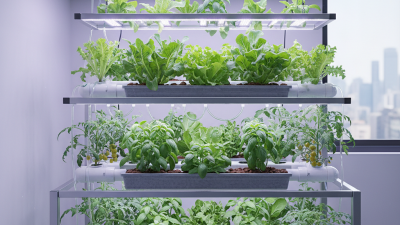
Choosing the best hydroponic equipment begins with understanding the crop, facility, budget, and operator’s daily routine. A leafy-greens farm needs different tools from a tomato greenhouse. Pumps, nutrient reservoirs, lighting, sensors, and climate controls must work as one system. A cheap component can become expensive when it causes uneven flow, root stress, or repeated maintenance.
Industry data shows why careful selection matters. Grand View Research valued the global hydroponics market at approximately USD 5.79 billion in 2022 and projected a 20.7% compound annual growth rate from 2023 to 2030. MarketsandMarkets also forecast strong expansion, estimating the market could reach about USD 27.6 billion by 2027. These figures indicate rising investment, but they do not prove that every advanced device is useful for every grower. Market reports use different definitions, so their estimates should be compared cautiously.
Practical evidence remains essential. The U.S. Department of Agriculture’s controlled-environment agriculture research emphasizes resource efficiency, crop consistency, and environmental control. In a real growing room, those goals appear as stable pH readings, clean water lines, balanced airflow, and predictable harvest timing. Look closely. A sensor may promise precision, yet poor calibration can mislead an entire crop cycle. Energy use also deserves attention, especially when LED lighting and cooling operate for many hours. This guide examines equipment categories, technical specifications, operating costs, maintenance demands, and supplier reliability. It also questions common assumptions, because the most expensive system is not automatically the best one.
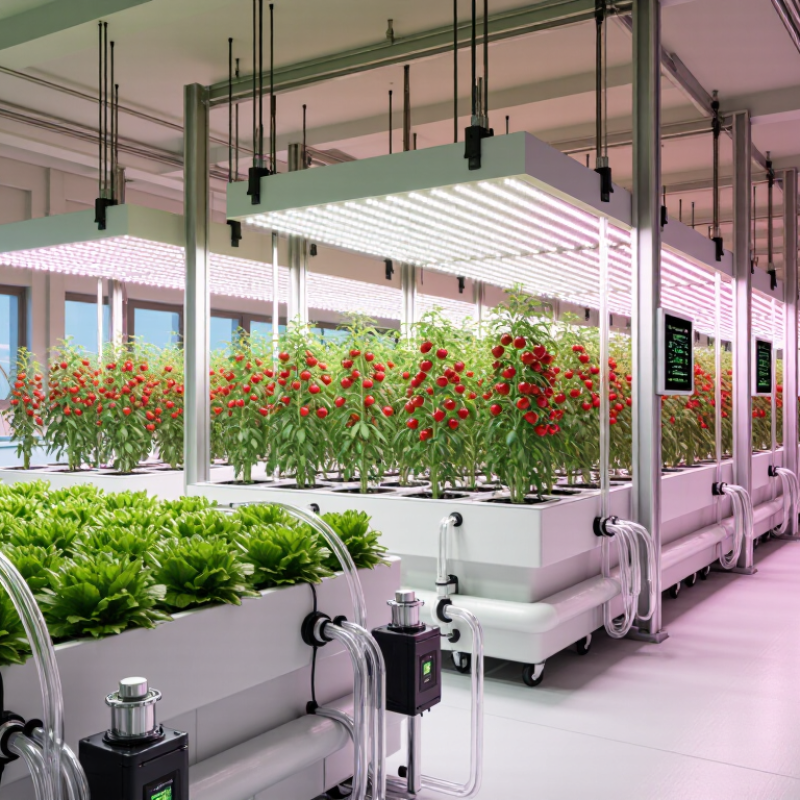
Choosing hydroponic equipment starts with your growing goal, not a shopping list. Decide whether you want leafy greens, fruiting crops, or a small learning setup. Each goal changes the required light intensity, reservoir size, support structure, and climate control. Measure your space carefully. A narrow shelf may fit a vertical system, but it can restrict airflow and maintenance access. Leave room for your hands.
Water efficiency matters, especially in dry regions. FAO AQUASTAT reports that agriculture uses about 70% of global freshwater withdrawals. Recirculating hydroponic systems can reduce water waste, but savings depend on leaks, evaporation, and cleaning routines. Select a reservoir that is easy to drain. Add a reliable pH and electrical conductivity meter. Cheap meters often create expensive mistakes. I learned this after trusting unstable readings for several weeks.
Growing conditions should guide your lighting and ventilation choices. Check daily light integral, temperature, humidity, and airflow before choosing equipment. The U.S. Department of Energy evaluates horticultural lighting through photosynthetic photon efficacy, measured in micromoles per joule. Higher efficiency can reduce heat and electricity use. Grand View Research reported strong double-digit growth in the hydroponics market, showing wider adoption of controlled growing systems. That growth does not guarantee success. My first layout looked efficient, yet poor airflow caused uneven growth. A simple fan and accessible inspection points would have helped.
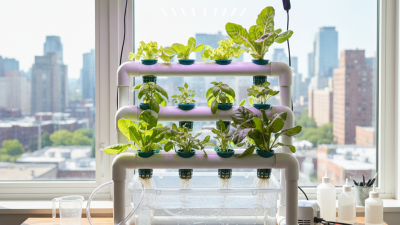
Choosing hydroponic equipment starts with the plant, not the container. Leafy greens usually perform well in deep water culture, where roots stay in oxygenated nutrient solution. Keep the reservoir cool, and inspect the air pump daily. Basil and other herbs can also thrive there, although crowded roots may reduce airflow.
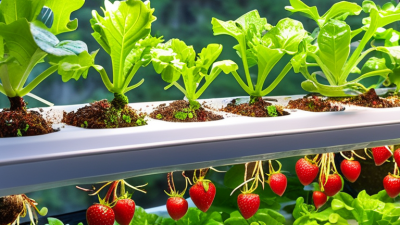
For strawberries or compact fruiting plants, a drip system offers better control. It delivers measured nutrients to each growing medium, such as coco coir or clay pebbles. Ebb-and-flow systems suit larger plants because periodic flooding encourages strong root growth. However, pumps and timers add failure points. I once selected this setup for a small indoor crop, but the cycling noise became annoying at night.
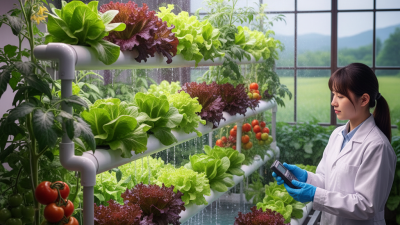
Nutrient film technique uses a shallow stream along angled channels. It saves water and suits fast-growing greens with modest root systems. It is less forgiving when power stops. Roots can dry quickly. Aeroponic systems expose roots to fine nutrient mist and may accelerate growth, but they demand careful cleaning and reliable pressure. Measure pH and nutrient strength with calibrated meters, then record changes in a simple log. Most leafy greens prefer a mildly acidic solution, often around pH 5.8 to 6.5, but crop requirements differ. Do not treat that range as universal. Light intensity, room temperature, airflow, and available maintenance time should influence the final choice as much as the system design.
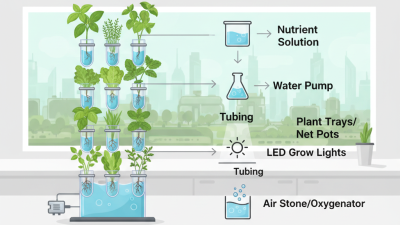
Choosing hydroponic equipment starts with four connected needs: water, nutrients, light, and air. In my setups, weak water control caused more trouble than expensive hardware. Select a reservoir that blocks light, holds the crop’s volume, and allows easy cleaning. Add a reliable pump, tubing, and a return path that prevents stagnant corners. A pH and electrical conductivity meter helps track changes before plants show stress. Meters still need calibration. I sometimes skipped it, and the readings became misleading.
Nutrients require measured dosing, not guesswork. Use a complete, crop-appropriate formula and follow its mixing instructions. Keep concentrated solutions separate until they enter sufficient water. Record pH, conductivity, water temperature, and refill amounts in a notebook. These records reveal patterns that memory misses. Check roots weekly; firm, light-colored roots usually indicate better oxygen conditions, while slimy or dark roots require investigation. Do not adjust several variables at once. That makes cause and effect harder to identify.
Choose grow lights with adjustable intensity and a timer, then match coverage to the growing area. Place a light meter at leaf height, because ceiling brightness proves little. Air movement should gently stir leaves without drying them. Use an intake, an exhaust path, and circulation fans where needed. Warm, still air can encourage disease and uneven growth. Humidity sensors help, but inexpensive sensors can drift. Verify them occasionally. I learned that perfect settings on paper can fail when plants, room temperature, and airflow change together.
Choosing hydroponic equipment starts with quality, not appearance. Quality is more than shiny plastic. Inspect food-safe materials, strong seals, stable frames, and clear safety instructions. Pumps should run quietly and maintain steady flow. I once selected a low-cost pump that seemed adequate, but its output weakened after several weeks. That mistake taught me to check replacement parts before buying.
Compatibility prevents expensive adjustments. Match the pump capacity with pipe size, reservoir volume, and growing system height. Confirm that timers, sensors, lights, and controllers can operate together. A powerful light may still perform poorly if ventilation cannot remove heat. Measure your space carefully. Crowded equipment makes routine work frustrating and increases spill risks. Efficiency also depends on energy use, water circulation, and lighting control. Compare operating costs, not only purchase prices. Specifications can look impressive.
Tips: Test connections with clean water first. Mark water levels on the reservoir. Keep a simple maintenance log. Check filters, tubing, and electrical connections weekly. Remove mineral buildup before it restricts flow. Leave enough room to reach every component without moving plants. I still overlook small leaks sometimes, especially around connectors. A quick inspection catches them early. Choose equipment you can understand, clean, repair, and monitor consistently. Fancy features are not always useful. Reliability often comes from simpler systems and disciplined care.
| Equipment Category | Primary Function | Quality Evaluation | System Compatibility | Typical Efficiency Considerations | Maintenance Requirements | Recommended Selection Priority |
|---|---|---|---|---|---|---|
| Water Pump | Moves nutrient solution through pipes, channels, or growing chambers. | Look for corrosion-resistant materials, sealed bearings, stable flow, and thermal protection. | Match the pump capacity to the system height, pipe diameter, reservoir volume, and required flow rate. | Energy use: commonly listed in watts; avoid excessive capacity that creates unnecessary circulation and power consumption. | Inspect the intake screen, remove root debris, and clean the impeller regularly. | High |
| Air Pump and Air Stones | Increase dissolved oxygen in the nutrient solution for healthy root respiration. | Choose a low-noise unit with continuous-duty operation and a reliable check valve. | Confirm that the pump can support the number and depth of air stones used in the reservoir. | Oxygenation: air distribution should be even; excessive bubbling may cause splash, evaporation, and pH drift. | Clean or replace clogged air stones and check tubing for leaks. | High |
| Reservoir | Stores and stabilizes the nutrient solution. | Use opaque, food-safe, chemically resistant material with a secure lid and adequate structural strength. | Size it according to plant count, daily water consumption, pump placement, and available access space. | Temperature stability: larger, shaded reservoirs generally experience slower temperature changes. | Drain, clean, and sanitize between crop cycles; remove sediment and biofilm. | High |
| LED Grow Light | Provides artificial light for photosynthesis when natural light is insufficient. | Evaluate heat management, uniform light distribution, dimming control, and published electrical specifications. | Match the light output and coverage area to crop type, canopy size, mounting height, and growth stage. | Efficiency: compare usable photon output per electrical watt and maintain an appropriate daily light period. | Remove dust from the fixture and ensure ventilation openings remain unobstructed. | High |
| Nutrient Dosing System | Adds concentrated nutrients or pH adjustment solutions automatically. | Prioritize chemical-resistant tubing, accurate dosing, calibration functions, and reliable non-return valves. | Must be compatible with reservoir size, nutrient concentration, crop requirements, and controller inputs. | Accuracy: automated dosing can reduce manual variation but requires correct calibration and mixing time. | Flush dosing lines, inspect tubing, and recalibrate pumps at scheduled intervals. | Medium to High |
| pH Meter | Measures acidity or alkalinity of the nutrient solution. | Select a replaceable-probe model with automatic temperature compensation and calibration reminders. | Suitable for hydroponic nutrient solutions; the probe must be compatible with the expected measurement range. | Measurement range: most hydroponic solutions are managed within approximately pH 5.5–6.5, depending on crop and system. | Calibrate with fresh standard buffers, rinse after use, and store the probe in proper storage solution. | High |
| EC or TDS Meter | Estimates nutrient concentration through electrical conductivity. | Look for automatic temperature compensation, stable readings, and simple calibration controls. | Use a meter whose conductivity range matches the nutrient strength used by the crop. | Measurement principle: EC is a direct indicator of solution conductivity; TDS readings are calculated estimates and vary by conversion factor. | Rinse the sensor after use, prevent salt buildup, and calibrate with a suitable conductivity standard. | High |
| Temperature and Humidity Sensor | Monitors environmental conditions around the plant canopy and root zone. | Choose sensors with suitable accuracy, protective housing, and stable readings over time. | Place sensors away from direct light, heating elements, air outlets, and water spray. | Control value: stable air and root-zone conditions can reduce stress and improve resource-use consistency. | Keep sensors dry and verify readings against a known reference periodically. | Medium |
| Water Chiller or Cooling System | Controls nutrient-solution temperature in warm environments. | Assess cooling capacity, insulation, thermostat accuracy, ventilation, and operating noise. | Match the unit to reservoir volume, ambient temperature, heat from pumps and lights, and water circulation rate. | Root-zone stability: cooling demand increases as reservoir volume, room temperature, and equipment heat load increase. | Clean filters and heat-exchange surfaces; maintain adequate airflow around the unit. | Medium |
| Growing Channels or Containers | Supports plants and directs nutrient solution to the root zone. | Check structural rigidity, leak resistance, smooth internal surfaces, and light blocking to limit algae growth. | Confirm compatibility with plant spacing, net pots, pipe fittings, growing media, and support frames. | Water use: recirculating designs can reduce water waste when leaks, evaporation, and overflow are controlled. | Remove roots and residue, inspect seals, and sanitize surfaces between crops. | High |
| Filtration Unit | Captures particles that may clog pumps, emitters, and dosing lines. | Evaluate filter grade, flow capacity, housing strength, and ease of cartridge replacement. | Choose a filter suitable for the water source and install it before sensitive components. | Flow protection: filtration reduces blockage risk but adds pressure loss that must be considered when sizing pumps. | Inspect pressure or flow changes and clean or replace the filter element as needed. | Medium |
| Backup Power and Safety Controls | Maintains critical circulation and provides protection during faults or outages. | Use properly rated electrical protection, waterproof connections, alarms, and appropriately sized backup capacity. | Verify compatibility with pump wattage, controller load, battery capacity, and local electrical requirements. | Resilience: backup duration depends on battery capacity, connected load, inverter efficiency, and operating conditions. | Test alarms, inspect cables, and check battery condition according to the maintenance schedule. | Medium to High |
Build a Safe, Scalable Setup Within Your Budget
Choosing hydroponic equipment starts with your growing goal, available space, and realistic budget. I have found that beginners often buy powerful pumps before measuring their shelves. That mistake creates noise, wasted electricity, and difficult maintenance.
Start with a simple reservoir, reliable air circulation, food-safe tubing, and adjustable lighting. Select equipment that is easy to clean and replace. Check electrical ratings, keep connections above water, and use a ground-fault safety device where required locally. Never crowd cables beneath a leaking reservoir. Small details matter.
Measure daily water use before expanding. A compact system can reveal nutrient, temperature, and cleaning problems without costly losses. Keep a written log of water levels, pH readings, light hours, and plant growth. It feels excessive at first. It helps later.
Choose modular parts so another growing channel can be added without rebuilding everything. However, scalable does not mean buying the largest tank today. Larger systems demand stronger support, better filtration, and more consistent monitoring. I once underestimated cleaning time, and the plants suffered while I caught up. Leave access around the reservoir, even if it reduces planting space. Follow local electrical, building, and food-safety requirements before installation.