How Much Does a GrowSpan Greenhouse Cost?
How much does a GrowSpan greenhouse cost? The honest answer depends on more than the frame price. Size, covering material, climate controls, benches, irrigation, freight, site preparation, and installation can change the final budget sharply. A small seasonal structure may cost several thousand dollars, while a commercial GrowSpan system can reach six figures. Published package prices are useful, but they rarely show the complete project cost.
Neil Mattson, greenhouse specialist at Cornell University, offers a practical reminder: “A greenhouse is a production system, not simply a building.” That principle matters when estimating growspan greenhouse cost. Heating, ventilation, lighting, and crop handling may cost more than expected. Energy prices also deserve attention. The U.S. Department of Agriculture’s 2022 Census of Agriculture reported $18.3 billion in U.S. nursery, greenhouse, and floriculture product sales. That figure shows the sector’s scale, but it does not predict one buyer’s return.
This guide compares structure costs with operating expenses and installation risks. It also considers regional weather, crop value, and expected production hours. A neat number is tempting. It can mislead. Quotes may exclude foundations, electrical work, permits, taxes, or winter heating. I will identify those gaps clearly. Cost ranges remain estimates, not promises. Your soil, climate, and production plan still control the final decision.
GrowSpan Greenhouse Prices by Model, Size, and U.S. Industry Benchmarks
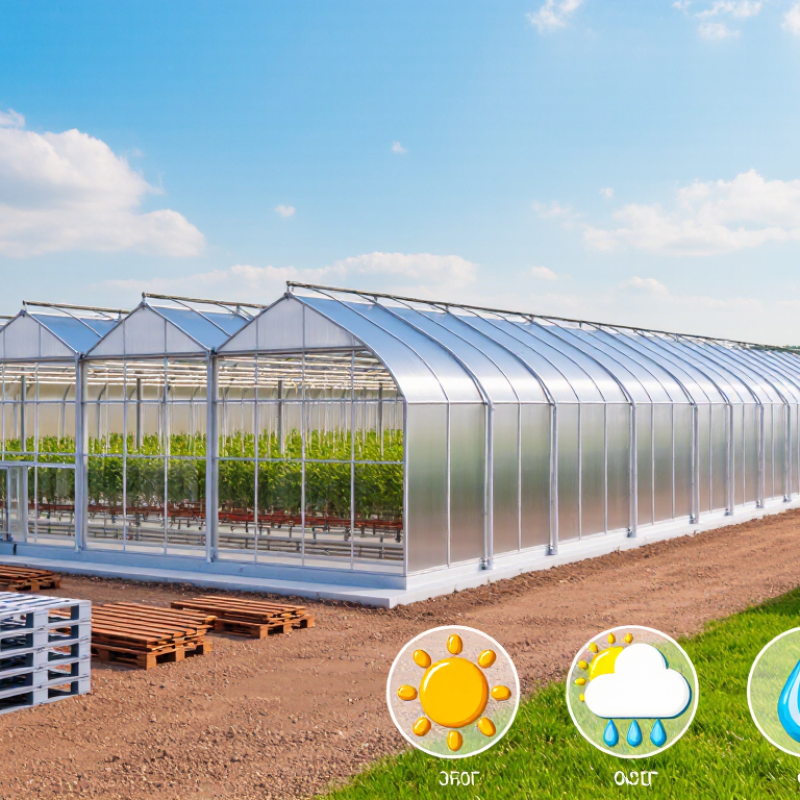
Greenhouse prices vary sharply by model, size, and climate-control requirements. A small 8-by-12-foot structure commonly costs $2,000 to $6,000 installed. A professional 20-by-48-foot model may reach $15,000 to $35,000. Larger commercial houses often exceed $45,000 before land preparation.
Automation changes the estimate quickly. Heating, ventilation, irrigation, shade cloth, benches, and environmental sensors can add 30% to 70%. A 30-by-96-foot greenhouse may cost $50,000 to $110,000, depending on glazing and local labor. Multi-acre facilities can exceed $500,000. These figures reflect U.S. contractor ranges and published commercial greenhouse cost surveys, not fixed quotes.
Size is only one benchmark. USDA’s 2022 Census of Horticultural Specialties reported more than $17 billion in U.S. horticultural sales, showing the scale of the market supporting protected production. USDA National Agricultural Statistics Service data also highlights wide regional differences in nursery and greenhouse activity. Energy deserves careful review. The U.S. Energy Information Administration reports meaningful regional variation in commercial electricity and natural-gas prices, directly affecting winter operating costs. A warmer site may reduce heating expenses, while a windy location may require stronger framing. I would not treat online calculators as final budgets. Site drainage, permits, freight, and foundation work are often underestimated. Even experienced growers miss replacement costs for fans, plastic covers, and control systems.
How to Estimate GrowSpan Costs per Square Foot from Professional Data
How Much Does a GrowSpan Greenhouse Cost?
How to Estimate Greenhouse Costs per Square Foot from Professional Data
Estimating greenhouse cost per square foot requires more than multiplying length by width. Professional contractors usually separate the shell, foundation, installation, and growing systems. A basic commercial structure may cost
$10 to $25 per square foot. A climate-controlled installation can reach
$25 to $60 or more.
Start with the footprint. A 30-by-60-foot greenhouse provides
1,800 square feet. At
$18 per square foot, the structure alone would cost about
$32,400. Add site preparation, drainage, electrical work, benches, irrigation, and heating. These extras can increase the total by
30% to 80%. Local labor rates matter greatly.
Real quotes are better than online averages.
My early estimates often missed delivery and foundation costs. That shortcut was wrong. A contractor may charge separately for soil leveling, concrete anchors, permits, and winter reinforcement. Ask for an itemized proposal with material grades, labor hours, freight, and equipment exclusions. Compare at least three regional bids. Check whether the price includes ventilation, shade systems, and warranty support.
Professional data should guide planning, not replace inspection. Snow load, wind exposure, access conditions, and energy prices can change the final figure. For a reliable budget, calculate the base square-foot rate, then add a
10% to 15% contingency. It may feel excessive, but greenhouse projects often reveal small costs after construction begins.
Frame, Covering, Ventilation, and Heating Costs in Commercial Greenhouses
How Much Does a GrowSpan Greenhouse Cost?
A commercial greenhouse usually costs about $8 to $25 per square foot for the structure and basic systems. These are planning estimates, not firm quotations. A 10,000-square-foot project may therefore require $80,000 to $250,000 before land preparation, utilities, and crop equipment.
The frame often represents 25% to 40% of the budget. Galvanized steel is durable, but stronger designs cost more in snow or high-wind regions. Covering materials create another major difference. Single polyethylene film is economical and easy to replace. Twin-layer film improves insulation, while rigid panels offer longer service but higher installation costs.
Ventilation may include roof vents, side curtains, circulation fans, and automatic controls. Together, these systems can add $1 to $6 per square foot. Heating costs vary even more. A mild climate may need limited supplemental heat, while cold regions require boilers, unit heaters, distribution pipes, and backup systems. Heating equipment can add $2 to $12 per square foot, depending on insulation and fuel availability. These figures can shift quickly.
Tips: Request separate prices for the frame, covering, ventilation, heating, installation, and site work. Compare seasonal energy use, not only purchase price. A cheaper heater may consume more fuel for years. I would also budget 10% to 15% for unexpected changes. This is not excessive. Door placement, drainage, and local weather loads are often underestimated.
How Much Does a Commercial Greenhouse Cost?
Typical installed planning ranges are shown in U.S. dollars per square foot. Actual costs vary by climate, greenhouse size, site conditions, automation level, and local labor rates.
Estimated component costs: The frame is usually the largest structural expense, while covering, ventilation, and heating costs depend heavily on the selected materials, design specifications, and regional climate requirements.
Five-Year Ownership Costs for Energy, Maintenance, Repairs, and Replacement
How Much Does a Greenhouse Cost?
Five-Year Ownership Costs for Energy, Maintenance, Repairs, and Replacement
A greenhouse’s purchase price is only the opening figure. Over five years, energy often becomes the largest variable cost. For a 1,000-square-foot insulated structure, heating, fans, lighting, and irrigation may consume $3,500 to $12,000. Climate, utility rates, and crop schedules can change that estimate quickly. Winter production is especially expensive. Use a separate meter if possible.
Maintenance usually costs less, but neglect can create larger bills. Plan for $500 to $2,000 over five years for cleaning, lubrication, filter changes, sealant, pest screens, and control checks. Inspect glazing after severe weather. Check vents every season. Small gaps waste heat.
Repairs and replacements require a less comfortable allowance. Budget $1,500 to $5,000 for broken panels, failed motors, pumps, sensors, heaters, and worn irrigation parts. Labor may exceed the component price. A repair log improves accuracy and reveals repeated failures. It also exposes weak assumptions. My estimate is not neat. Local conditions matter more than a polished online calculator. A realistic five-year budget should include a 10% to 20% contingency reserve, especially for older equipment or remote sites. Replacement timing is another uncertainty. A heater may last ten years, while a circulation fan may need replacement much sooner. Keep receipts, record energy use monthly, and review the budget after each growing season.
How Much Does a GrowSpan Greenhouse Cost? - Five-Year Ownership Costs for Energy, Maintenance, Repairs, and Replacement
Planning basis: Illustrative five-year estimate for a 30 × 96 ft greenhouse
(2,880 sq. ft.) in a temperate climate. Costs are shown in U.S. dollars and assume seasonal
heating, normal commercial use, routine owner maintenance, and replacement of selected
components as they reach the end of their expected service life.
| Ownership Cost Category |
Year 1 |
Year 2 |
Year 3 |
Year 4 |
Year 5 |
Five-Year Total |
| Energy: heating, ventilation, and electricity |
$4,200 |
$4,326 |
$4,456 |
$4,590 |
$4,728 |
$22,300 |
| Routine maintenance: cleaning, lubrication, adjustments, and inspections |
$650 |
$670 |
$690 |
$710 |
$730 |
$3,450 |
| Repairs: seals, fasteners, controls, fans, and minor storm damage |
$500 |
$550 |
$600 |
$650 |
$700 |
$3,000 |
| Planned replacement: controls, fans, glazing film, and related components |
$0 |
$0 |
$450 |
$0 |
$2,200 |
$2,650 |
| Total annual ownership cost |
$5,350 |
$5,546 |
$6,196 |
$5,950 |
$8,358 |
$31,400 |
Average annual cost
$6,280 per year
Five-year cost per sq. ft.
Approximately $10.90 per sq. ft.
Largest cost category
Energy: approximately 71% of total ownership cost
Note: These are planning estimates rather than a quotation. Actual costs vary with greenhouse size,
climate, insulation, heating fuel, utility rates, labor prices, crop requirements, weather exposure,
and the service life of installed components.