What is Home Hydroponics and How to Start Your Garden?
Home hydroponics is gaining popularity among gardening enthusiasts. It allows individuals to grow plants indoors using nutrient-rich water instead of soil. According to market research, the home hydroponics sector is projected to grow by 25% over the next five years. This shift emphasizes a rising interest in sustainable living and local food production. With urbanization on the rise, many homeowners seek efficient ways to cultivate fresh produce in limited spaces.
Starting your own home hydroponics garden can be rewarding. However, potential growers must be aware of the challenges. Successful hydroponics requires knowledge of plant nutrients, water pH levels, and environmental conditions. Many new hobbyists underestimate the complexity involved. A well-functioning system can yield impressive results, yet mistakes are common. It's essential to learn from these errors to refine your approach.
Expert advice suggests conducting thorough research before diving into home hydroponics. Online forums and gardening communities provide valuable resources and support. By understanding the basics and connecting with experienced growers, you can increase your chances of creating a thriving indoor garden. The journey may not be perfect, but it is ripe with opportunities for growth and discovery.
What is Home Hydroponics? A Comprehensive Introduction
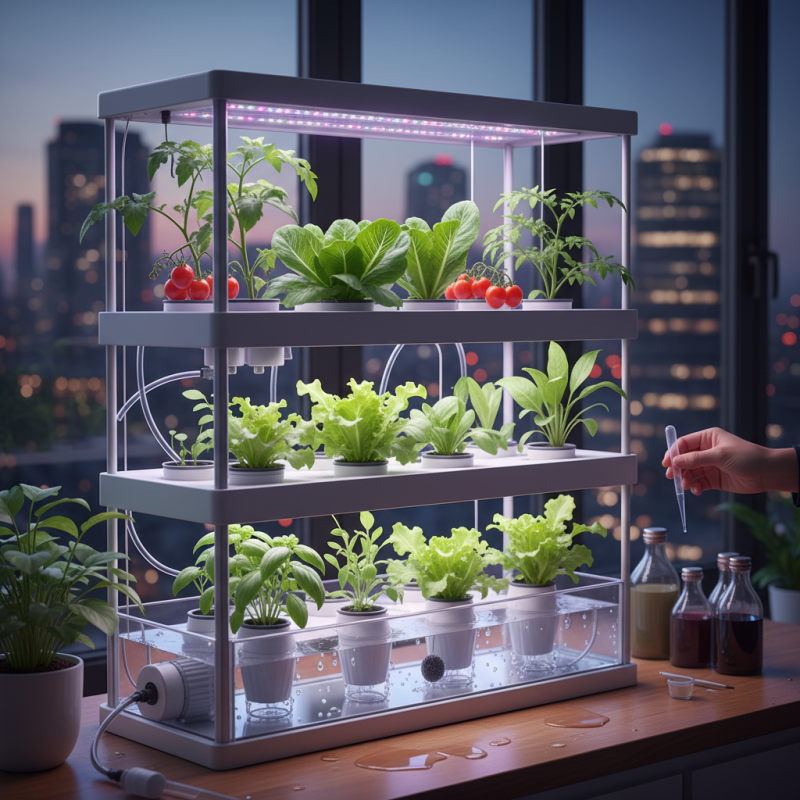
Home hydroponics offers an innovative way to grow plants indoors. This method uses nutrient-rich water instead of soil. It can be an exciting project for gardening enthusiasts. You create a controlled environment right at home. Leafy greens and herbs thrive particularly well in hydroponic systems.
Starting a home hydroponic garden involves several key steps. First, choose a suitable system like deep water culture or nutrient film technique. Each has its pros and cons. Plants need light, so consider using grow lights if natural sunlight is limited. Measure your water's pH and nutrient levels for optimal growth. Regular monitoring is crucial, as these can fluctuate.
Mistakes are part of the learning process. You may face challenges like nutrient imbalances or pests. Document your journey and reflect on what works best for you. Hydroponics requires patience and ongoing adjustments. This hands-on experience can deepen your understanding of plant biology and growth.
Key Benefits of Hydroponic Gardening for Home Growers
Hydroponic gardening offers numerous benefits for home growers. One key advantage is efficient space utilization. You can grow a variety of plants in small areas. Hydroponics uses less water compared to traditional gardening. This is an excellent choice for urban gardeners with limited space.
Another benefit is faster plant growth. Plants grown hydroponically often mature quicker. This leads to healthier plants and higher yields. The system allows precise control over nutrients and pH levels. This enhances the growth environment further. Hydroponics can be a fun experiment, but mistakes happen. Adjusting light or nutrient levels can be tricky.
Tips for beginners: Start with easy-to-grow plants like lettuce or herbs. Keep your equipment clean to prevent diseases. Monitor the water and nutrient levels regularly. Don't be discouraged by early challenges. Learning from them can make you a better gardener. Enjoy the process and celebrate small victories!
Essential Equipment for Starting Your Home Hydroponic Garden
Home hydroponics is becoming increasingly popular. It allows you to grow plants indoors, even in limited spaces. However, the success of your hydroponic garden depends greatly on the essential equipment you choose.
To start, you'll need a water reservoir to provide nutrients to your plants. According to a report by the American Society of Horticultural Science, a proper reservoir can improve plant growth by up to 20%. A good growing medium is also essential. Options like rock wool or coconut coir retain moisture and provide the right balance for plant roots. Lighting is crucial too. LED grow lights are energy-efficient and can mimic sunlight, enhancing plant growth.
Tips: Always monitor your pH levels. Plants typically thrive in a pH range of 5.5 to 6.5. A slight imbalance can affect nutrient absorption. Keep a close eye on nutrient concentrations. Too much can harm the plants, while too little will stunt growth. Regular adjustments based on plant needs are vital.
Remember that regular maintenance is necessary. Clean your system frequently to prevent algae and bacteria build-up. This will ensure a healthy environment for your plants. Starting a home hydroponic garden requires knowledge and effort, but the rewards can be substantial.
Popular Hydroponic Systems: Choosing the Right One for You
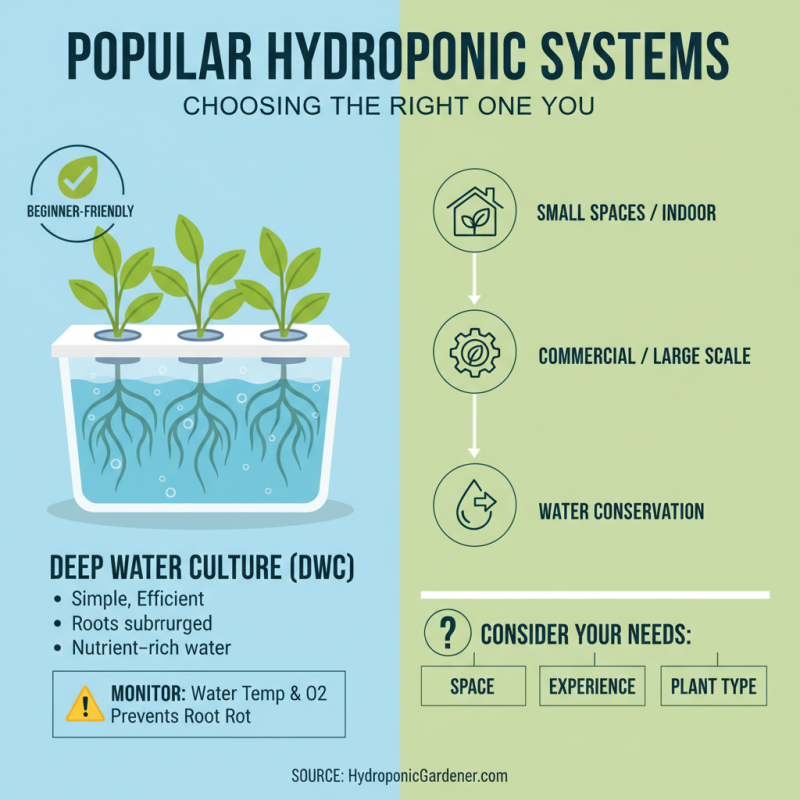
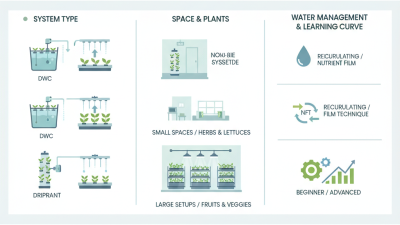
Hydroponic systems come in various types, each suiting different needs and spaces. The deep water culture system is popular for beginners. In this setup, plant roots are submerged in nutrient-rich water. It’s simple and efficient. However, you must monitor the water temperature and oxygen levels closely. Neglecting these factors can lead to root rot.
Nutrient film technique (NFT) is another system worth considering. Here, a thin film of nutrient solution flows over the roots. It requires careful setup to prevent clogs and ensure consistent flow. It offers great growth rates but is more technical, which can be daunting for novices. Unintended stoppages in flow could harm your plants.
Wicking systems are an excellent choice for those who prefer a low-maintenance approach. They rely on capillary action to draw nutrients to the plants. Although easy to set up, they may not provide enough nutrients for larger plants. As a result, the yield may be limited. Consider your space, budget, and comfort level with technology when choosing a hydroponic system. Each option has its pros and cons, impacting your hydroponic journey.
Tips for Successful Hydroponic Plant Cultivation at Home
Home hydroponics is an efficient way to grow plants indoors. This method can yield up to 30% more produce than traditional gardening, according to industry reports. With proper techniques, you can cultivate various herbs, vegetables, and even fruits in a controlled environment. Many home gardeners are now embracing this method as it offers flexibility and reduces the need for pesticides.
To ensure successful hydroponic plant cultivation, consider these tips:
1. **Choose the Right System**: Systems range from simple to complex. A simple Kratky system works great for beginners. It requires minimal setup and tools.
2. **Monitor Nutrient Levels**: Nutrient solutions are crucial. Regularly check pH and EC (Electrical Conductivity) levels for optimal plant growth. Studies suggest maintaining a pH between 5.5 to 6.5 aids nutrient absorption.
3. **Provide Adequate Lighting**: Plants need about 12 to 16 hours of light daily. LED grow lights are energy-efficient and mimic natural sunlight. However, overexposure can cause leaf burn.
Remember, hydroponics can come with challenges. Algae growth can be an issue if light reaches the reservoir. Regularly clean your system to prevent this. Also, be mindful of plant spacing; overcrowding can lead to poor air circulation and diseases. Adjusting your approach based on these reflections can improve your home garden.
What is Home Hydroponics and How to Start Your Garden? - Tips for Successful Hydroponic Plant Cultivation at Home
| Hydroponic System Type |
Description |
Best Plants |
Maintenance Level |
Initial Cost |
| Deep Water Culture (DWC) |
Plants are suspended in a nutrient solution; oxygen is provided through air stones. |
Lettuce, Herbs, Tomatoes |
Low |
$50 - $150 |
| Nutrient Film Technique (NFT) |
A thin film of nutrient solution is continuously recirculated over the roots. |
Herbs, Leafy Greens |
Medium |
$100 - $300 |
| Ebb and Flow (Flood and Drain) |
Plants are periodically flooded with nutrient solution, then drained. |
Cucumbers, Tomatoes |
Medium |
$70 - $250 |
| Aeroponics |
Roots are suspended in air and misted with nutrient solution. |
Leafy Greens, Strawberries |
High |
$200 - $500+ |
| Wicking System |
Nutrient solution is pulled up to the plants via wicks. |
Herbs, Small Vegetables |
Low |
$30 - $100 |