What is Home Hydroponics and How to Get Started?
Home hydroponics is an innovative way to grow plants indoors. It offers an alternative to traditional gardening, especially in urban settings. With limited outdoor space, many people are turning to hydroponics at home to cultivate fresh herbs and vegetables. This method utilizes water and nutrient solutions instead of soil, making it a cleaner and more efficient way to produce food.
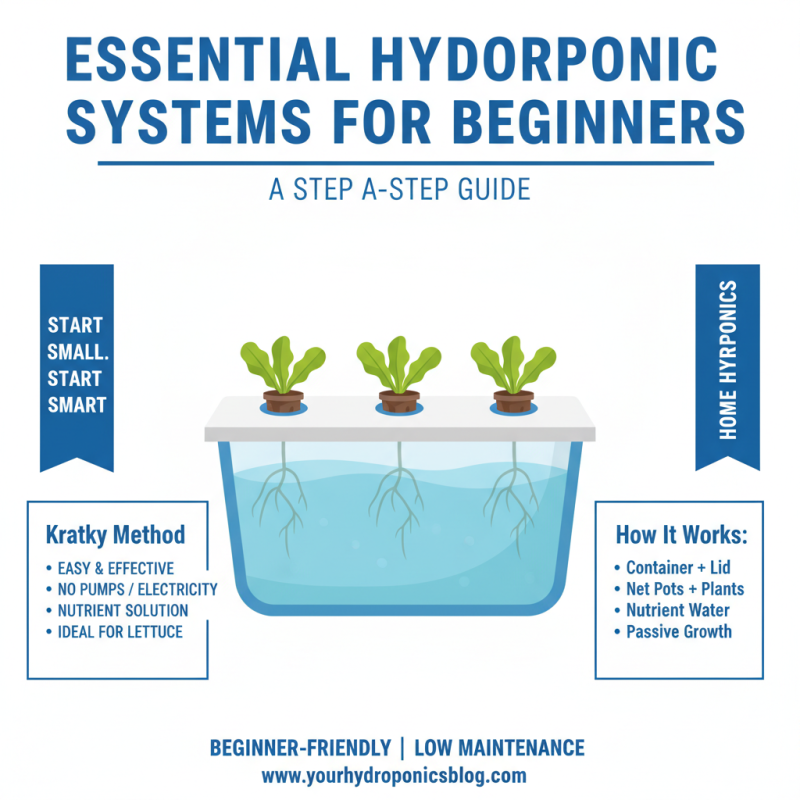
Setting up a home hydroponics system can be both exciting and challenging. Beginners may encounter difficulties in choosing the right equipment or nutrients. It's essential to research various hydroponic methods and find what works best for your space. Though it may seem complicated, many resources are available for new growers.
Home hydroponics provides a rewarding experience, promoting self-sufficiency and sustainability. You may face setbacks, like plant diseases or nutrient imbalances. Learning from these mistakes is part of the journey. Overall, home hydroponics can transform your living space into a thriving mini-garden, offering fresh produce right at your fingertips.
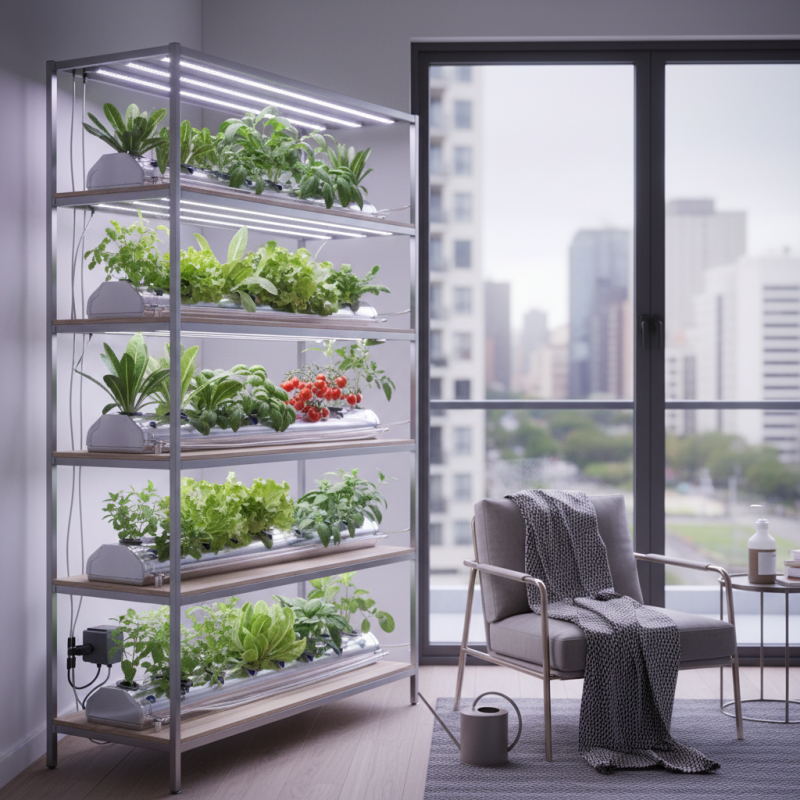
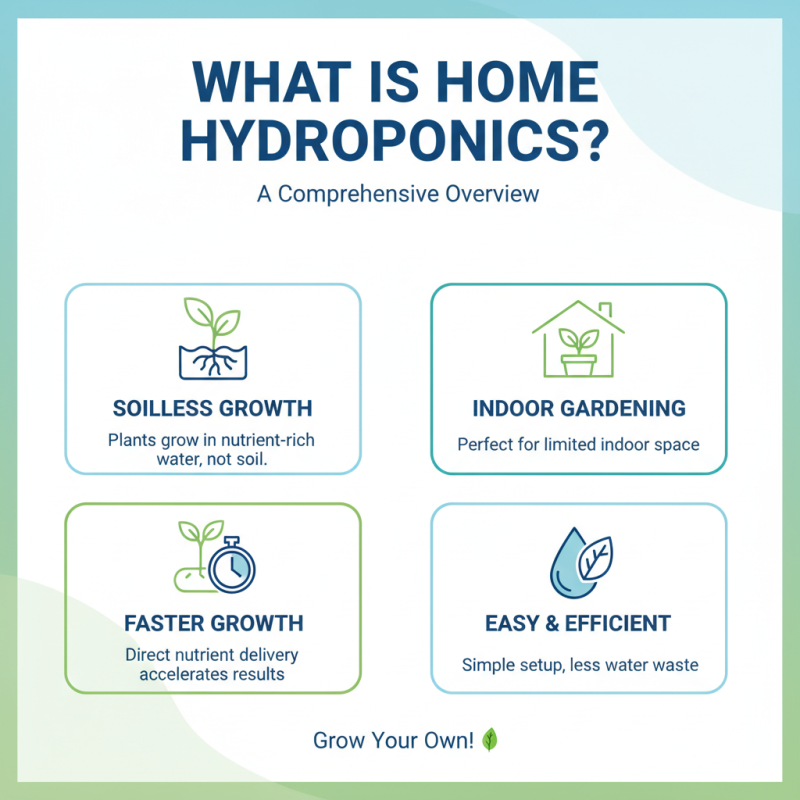
What is Home Hydroponics? A Comprehensive Overview
Home hydroponics is an innovative way to grow plants without soil. This method utilizes nutrient-rich water to nourish plants directly. It is suitable for indoor gardening. Many people choose to start hydroponics at home due to limited space for traditional gardening. Furthermore, it can yield fast results.
Growing plants hydroponically requires careful monitoring of environmental factors. Light, water temperature, and nutrient levels must be maintained. One may encounter challenges like algae growth or nutrient imbalances. These issues can hinder plant growth and affect overall success. Regular observation and adjustment are key to overcoming these challenges.
Setting up a hydroponic system can be rewarding but requires patience. Beginners often make mistakes, like overfeeding or choosing unsuitable plants. Experimenting with different approaches can lead to valuable learning experiences. Home hydroponics offers a unique opportunity to grow fresh produce year-round, enriching your lifestyle while promoting sustainability.
Key Benefits of Home Hydroponics: Growing Your Own Food
Home hydroponics is an innovative way to grow food at home. It allows you to cultivate vegetables and herbs in a soil-less environment. Many people are turning to this method to enjoy fresh produce and promote sustainability. According to a recent industry report by the National Gardening Association, about 35% of households in the U.S. are now growing food at home.
One key benefit of home hydroponics is its efficiency. Hydroponic systems use up to 90% less water than traditional gardening. This is crucial in areas with water scarcity. Additionally, plants grow faster, often yielding crops in half the time compared to soil-based methods. Clean, controlled environments reduce pest issues, resulting in healthier plants.
Tips: Start small. Begin with easy-to-grow plants like lettuce or herbs. Monitor your system closely, especially during the first few weeks. Adjust nutrient levels as necessary. Remember, not every attempt will be a success. Some crops may thrive while others fail. Use those experiences to refine your techniques. Document your progress. It can provide valuable insights for future grows.
Choosing the Right Nutrients and pH Levels for Hydroponics
In home hydroponics, choosing the right nutrients and managing pH levels are vital for plant health. Nutrients are the lifeblood of your hydroponic system. They should include essential macronutrients like nitrogen, phosphorus, and potassium, as well as micronutrients. These elements help plants grow strong and healthy. Remember, different plants have different needs, so do your research on what to provide.
The pH level of your nutrient solution also plays a critical role. Most plants thrive in a pH range of 5.5 to 6.5. Testing your water regularly is necessary, as even small shifts can impact nutrient absorption. If your pH level is off, plants may suffer. There are remedies available, but they require accuracy and care. Monitoring can sometimes feel overwhelming, but it is essential for successful growth.
Don't be afraid to experiment. Hydroponics can be tricky, and every grower learns through trial and error. Maybe your nutrient mix needs tweaking or your pH readings are not consistent. Keep a log of your plants' responses. Reflect on what works and what doesn’t, adjusting as needed. Learning from each grow is part of becoming a better hydroponic gardener.
Common Mistakes to Avoid When Starting Hydroponics at Home
Starting a home hydroponics system can be exciting, but many beginners make common mistakes. One key error is neglecting to test the pH level of the nutrient solution. Water that is too acidic or too alkaline can hinder plant growth. Regular monitoring can prevent stunted plants and wasted time.
Another frequent mistake is overcrowding plants. Many new growers underestimate how much space each plant needs. When plants are too close, they compete for light and nutrients. This can lead to weak growth and disease. Provide ample space for each plant to thrive.
Beginners often overlook the importance of light. Hydroponics depends on optimal light conditions, whether natural or artificial. Insufficient light can cause leggy plants that stretch toward the light source. On the other end, too much light can scorch delicate leaves. Finding the right balance is crucial for a successful home garden.
What is Home Hydroponics and How to Get Started? - Common Mistakes to Avoid When Starting Hydroponics at Home
| Aspect |
Details |
| Definition |
A method of growing plants without soil, using mineral nutrient solutions in a water solvent. |
| Benefits |
Space-saving, less water usage, faster plant growth, and consistent crop yield. |
| Common Mistakes |
Overfeeding nutrients, improper pH levels, inadequate light, and neglecting pest control. |
| Initial Setup Requirements |
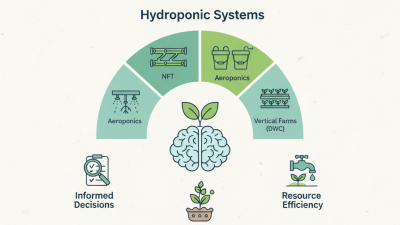
Hydroponic system (like NFT, DWC), grow lights, nutrient solution, and pH testing kit. |
| Suitable Plants |
Lettuce, herbs (basil, mint), strawberries, and tomatoes. |