Top Greenhouse Grow Lights for Optimal Plant Growth and Yield?
In the world of horticulture, "greenhouse grow lights" play a vital role. Many growers rely on artificial lighting to enhance plant growth. According to Dr. Emily R. Green, an expert in sustainable agriculture, "The right grow lights can significantly increase yield and plant health."
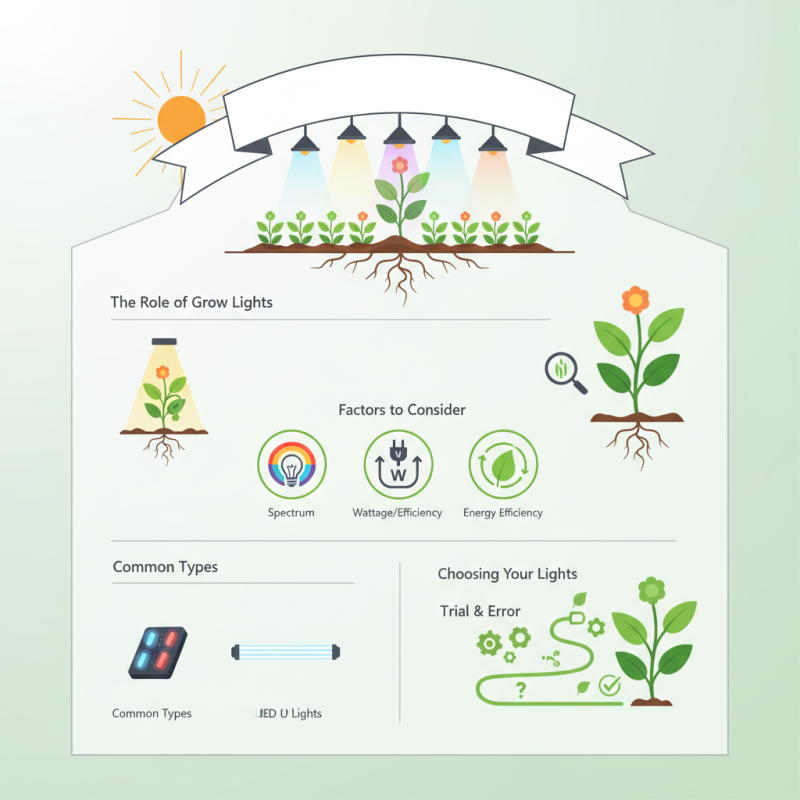
Choosing the best greenhouse grow lights can be overwhelming. Various options exist, and not all are effective. Factors like spectrum, wattage, and energy efficiency matter. Many growers make mistakes in this critical choice. Some buy lights based solely on price, neglecting quality.
Investing in good lighting is crucial. Poor choices can lead to low yields and unhealthy plants. Tools like LED or fluorescent lights offer varying benefits. It’s important to understand what works best for your greenhouse. The journey toward optimal growth often involves trial and error. Greenhouse grow lights must suit your plants’ specific needs for success.
Understanding the Importance of Grow Lights in Greenhouse Cultivation
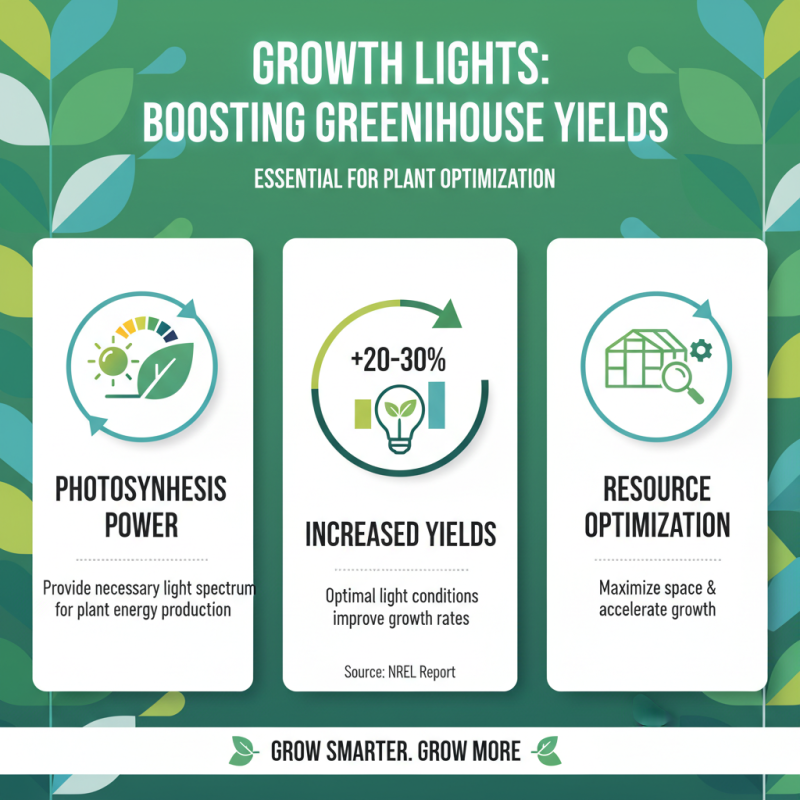
Grow lights are essential in greenhouse cultivation. They provide the necessary light spectrum for photosynthesis. Studies show that optimal light conditions can improve yields significantly. A report by the National Renewable Energy Laboratory states that proper lighting can enhance plant growth rates by 20-30%. This statistic is crucial for maximizing space and resources.
Plants require different light spectrums at various growth stages. For instance, blue light is vital during the vegetative phase. Red light supports flowering. Many growers struggle to balance these needs effectively. Using the wrong spectrum can slow growth or reduce yields. A study by the American Society of Horticultural Science highlights that plants grown under tailored light conditions can produce up to 40% more fruit per plant.
However, achieving the ideal setup requires investment and technical knowledge. Not every grower can afford advanced systems. Additionally, some may not understand how to adjust light intensity. Without careful calibration, they might waste energy and finances. Recognizing these challenges is crucial for improving greenhouse practices and sustainability. Creating an efficient lighting system could transform cultivation outcomes.
Types of Grow Lights: A Comparative Analysis for Plant Growth
When it comes to plant growth, choosing the right grow lights is essential. There are various types available, each with distinct features. LED grow lights are energy-efficient. They produce less heat, allowing plants to thrive without excessive warming. Fluorescent lights are another popular choice. These lights are more affordable and offer a softer light spectrum. Plants can benefit from their close proximity without getting scorched.
However, not every option is perfect. LED lights can be expensive initially. Their long-term savings often don't justify the high upfront cost for beginners. Similarly, fluorescent lights may not provide enough intensity for all plant types. This could lead to stunted growth in light-hungry varieties. It’s crucial to assess the specific needs of your plants before making a choice. Over time, many growers realize they need to adjust their lighting setup as plants mature.
In conclusion, the right grow lights can significantly impact your success. Be mindful of the specific needs of your plants. Monitoring growth patterns is vital. Adjust your light sources as necessary to optimize conditions. This learning process is ongoing, and it often requires trial and error to find the best fit for your crop.
Top Greenhouse Grow Lights for Optimal Plant Growth and Yield
| Type of Grow Light |
Light Spectrum |
Energy Efficiency (W/m²) |
Lifespan (Hours) |
Best For |
| LED Lights |
Full Spectrum |
25-40 |
50,000+ |
All stages of plant growth |
| HID Lights |
Blue/Red Spectrum |
30-75 |
10,000-24,000 |
Vegetative growth and flowering |
| Fluorescent Lights |
Cool White/Warm White |
20-30 |
7,000-15,000 |
Seedlings and clones |
| Incandescent Lights |
Red Spectrum |
10-20 |
1,000-2,000 |
Small-scale home growing |
| High-Pressure Sodium (HPS) |
Yellow-Orange Spectrum |
30-50 |
24,000 |
Flowering phase |
Key Features to Look for in Greenhouse Grow Lights
When selecting greenhouse grow lights, there are several key features to keep in mind. Light spectrum is crucial. Plants thrive under specific wavelengths. Using lights that mimic natural sunlight can enhance photosynthesis. Look for lights that provide a full spectrum. This range includes both blue and red light, essential for plant growth.
Heat output matters as well. Some lights generate too much heat, affecting plant health. Choose lights that maintain a consistent temperature. Efficiency is another factor. Energy-saving lights can reduce costs over time. However, efficiency should not compromise the light's effectiveness.
Consider the light's durability. Not all products withstand the elements. Some may flicker or lose intensity quickly. Find options with a longer lifespan to ensure consistent performance. Finally, installation ease is vital. Complicated setups can discourage use. A user-friendly design can significantly enhance the growing experience. These aspects are often overlooked, yet they play an integral role in successful greenhouse gardening.
Optimal Light Spectrum for Different Plant Species
Growing plants indoors or in greenhouses requires the right light spectrum. Different species need different wavelengths for optimal growth. For instance, leafy greens thrive under blue light (450-495 nm), which promotes vegetative growth. In contrast, fruiting plants like tomatoes prefer red light (620-750 nm) for flowering and fruit production.
Studies show that plants exposed to a balanced spectrum can yield 20% more than those under insufficient light. For example, a recent report indicated that robust LED systems could
increase yields by up to 30% for specific crops. However, many growers still overlook these details.
Understanding light quality is crucial. Many plants have unique light needs. Some require extended periods of red light, while others do well with blue light alone. Neglecting these differences could lead to subpar growth and production. Observations reveal that many growers
fail to adjust light spectrums for various growth stages. This common oversight can hinder potential yields. Proper planning and knowledge can make a significant difference.
It’s easy to assume that all grow lights are created equal. But they aren't.
Energy Efficiency and Cost-Effectiveness of Grow Light Options
When it comes to growing plants indoors, energy efficiency is crucial. Choosing the right grow lights can significantly impact energy costs. Some grow lights consume more electricity than others. This is a vital consideration for anyone looking to optimize their setup. LED lights are popular due to their low energy use. However, they can be expensive upfront.
Cost-effectiveness extends beyond initial purchase prices. Regular energy bills can add up quickly. An efficient grow light can save you money over time. Additionally, the right light spectrum promotes better growth, leading to higher yields. This balance between upfront costs and long-term savings is essential. It's a factor worth examining closely.
Another point to consider is the heat emitted by certain lights. Excessive heat can stress plants and increase cooling costs. Keeping the environment stable is important for optimal growth. Evaluate the heat output when selecting lights. Not every solution is perfect. Some costly options might not deliver expected results. It's crucial to assess both energy efficiency and practicality for your specific needs.
Energy Efficiency of Top Grow Lights