10 Essential Tips for Creating Your Own DIY Hydroponic System
In recent years, the popularity of the DIY hydroponic system has surged, reflecting a growing interest in sustainable gardening practices. As more enthusiasts venture into the world of hydroponics, the need for reliable guidance becomes essential. Renowned hydroponics expert Dr. Emily Waters states, "The beauty of a DIY hydroponic system lies in its accessibility and the personal touch you can bring to your gardening experience." This quote perfectly encapsulates why many individuals are choosing to create their own systems, enabling them to cultivate fresh produce right in their homes.
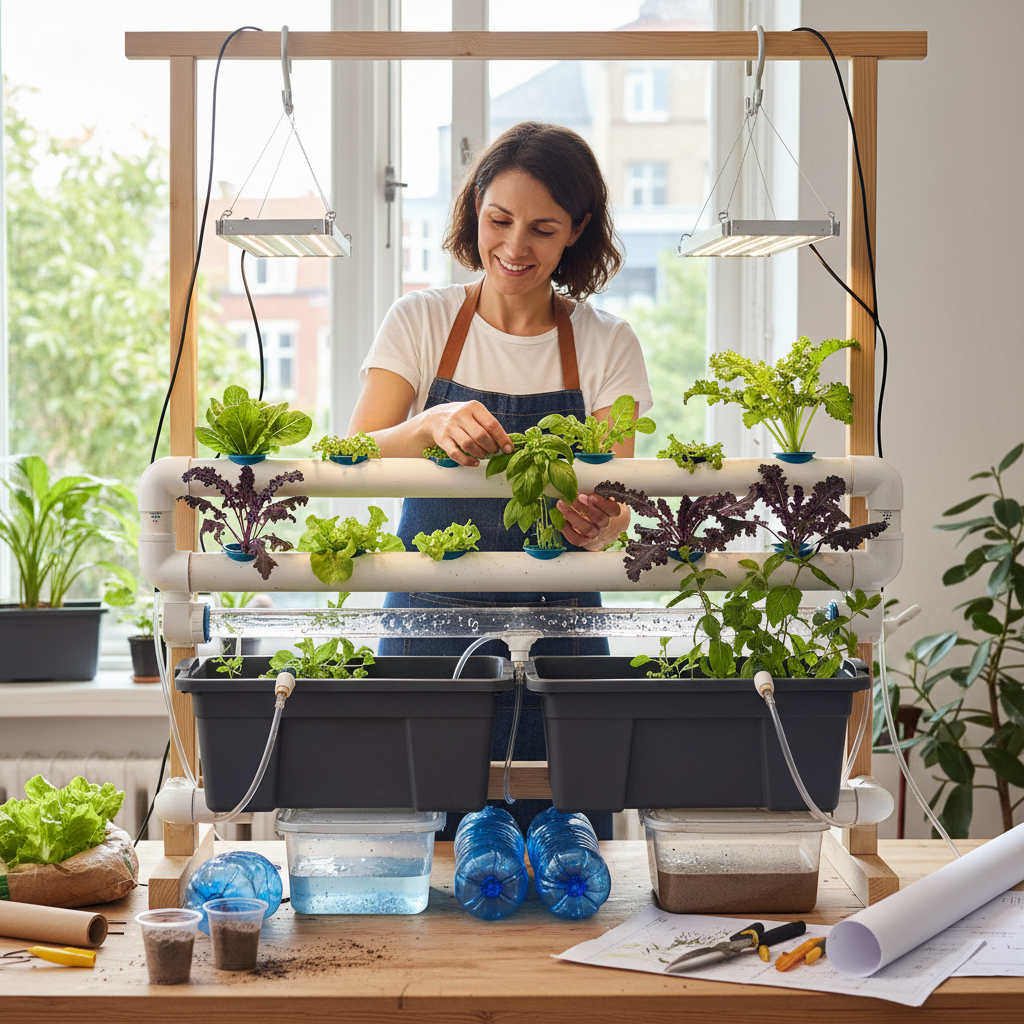
Setting up a DIY hydroponic system not only fosters a deeper connection with plants but also encourages innovation and experimentation. From simple setups using recycled materials to more complex designs involving advanced nutrient delivery systems, the possibilities are virtually limitless. As we dive into the top tips for creating your own hydroponic oasis, remember that the journey is as rewarding as the harvest itself. Whether you are a seasoned gardener or a curious beginner, these essential tips will equip you with the knowledge and inspiration to embark on your hydroponic adventure.
Understanding Hydroponics: The Science Behind Soil-less Cultivation
Hydroponics is a revolutionary method of growing plants without soil, relying instead on nutrient-rich water solutions. This technique not only allows for faster plant growth but also utilizes space more efficiently, making it an attractive option for urban gardeners and commercial growers alike. According to a report by the International Society for Horticultural Science, hydroponic systems can produce yields that are 30-50% higher than traditional soil-based farming due to optimized nutrient availability and reduced growth time.
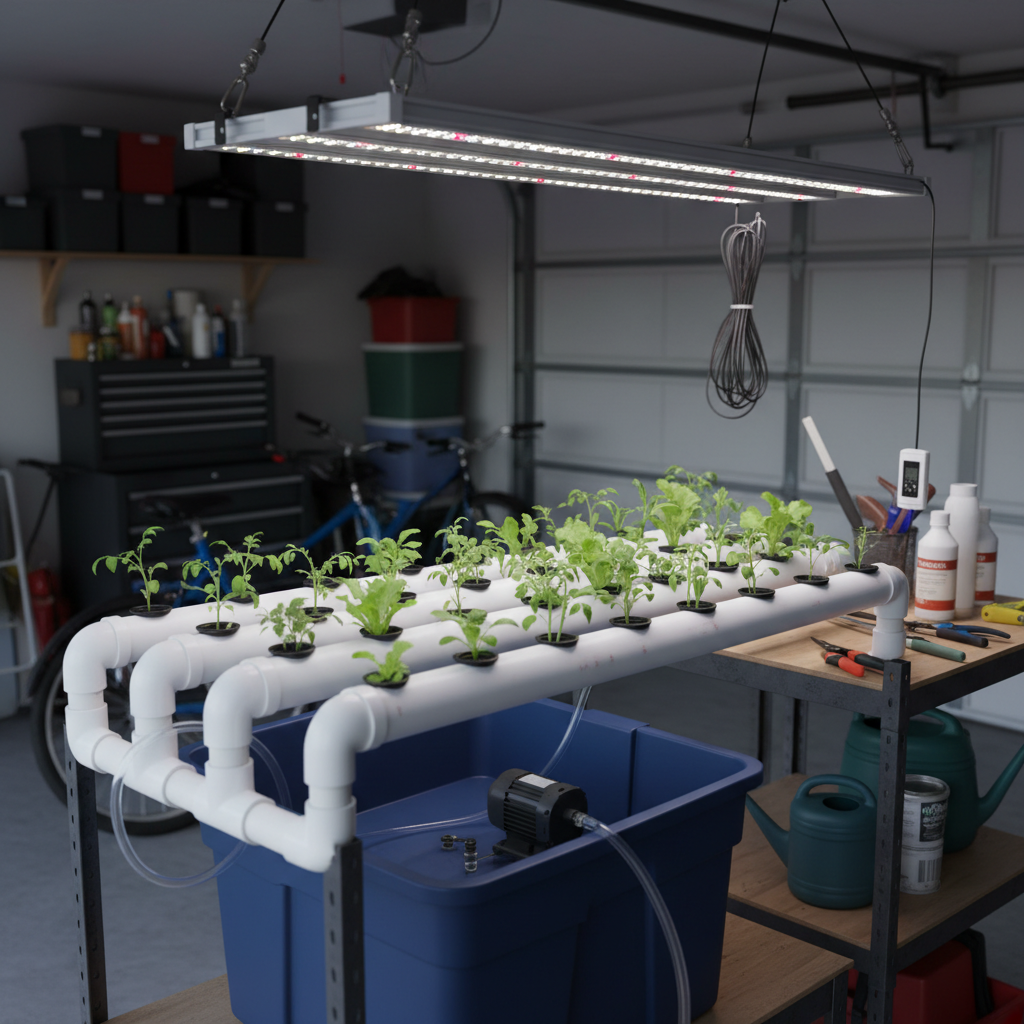
To start your DIY hydroponic system, understanding the fundamentals is key. Begin by selecting the right growing medium, as it plays a crucial role in supporting plant roots and retaining moisture. Common mediums include rock wool, clay pellets, and coconut coir. Additionally, ensuring proper pH levels is vital, as most plants thrive in a pH range of 5.5 to 6.5. Regularly testing your water and nutrient solution can lead to healthier plants and increased productivity.
When setting up your system, consider using a recirculating water system. This reduces water consumption by recycling the solution, making it more sustainable. Furthermore, incorporating a timed lighting system can enhance photosynthesis, contributing to robust growth. By applying these essential tips, you can create an efficient and effective hydroponic garden that yields impressive results year-round.
Key Hydroponic Systems: Choosing the Right Design for Your Needs
When it comes to setting up your own DIY hydroponic system, choosing the right design for your needs is crucial. There are several key hydroponic systems to consider, including nutrient film technique (NFT), deep water culture (DWC), and aeroponics. Each system has its unique advantages and limitations. For instance, NFT is perfect for growing small plants like lettuce, while DWC is great for larger plants like tomatoes. Assess your space, budget, and plant preferences to make the best choice tailored to your gardening goals.
As you embark on your hydroponic journey, here are a few essential tips to keep in mind. First, always prioritize a reliable water and nutrient supply. Hydroponics relies on water efficiency, so ensure your system has a consistent flow to prevent any interruptions. Second, invest in proper lighting, especially if you're growing indoors; LED grow lights can significantly boost plant growth. Lastly, monitor the pH levels regularly. Hydroponic plants thrive in a specific pH range, usually between 5.5 and 6.5, so frequent checks can help maintain a healthy growing environment.
Hydroponic System Performance Comparison
Essential Nutrient Solutions: Balancing pH and Macros for Optimal Growth
When creating a DIY hydroponic system, it is vital to focus on nutrient solutions, particularly when aiming for optimal plant growth. Balancing pH and macronutrients has a direct impact on crop yield and quality. Recent studies highlight the importance of aligning nutrient supply with the specific requirements of the crops being grown. For example, research indicates that modifying nutrient management protocols can significantly enhance biomass production as well as improve the nutritional quality of hydroponically grown greens such as kale. Ensuring the right pH level is essential, as fluctuations can lead to nutrient lockout, negatively affecting plant health and growth rates.
Additionally, using tailored nutrient solutions in hydroponic setups has shown promising results in other crops, like cucumber and lettuce. One experiment highlighted the physiological responses of cucumber plants to different nutrient regimes in both soil and soilless systems, demonstrating that optimized solutions can lead to better growth and fruit quality. Moreover, integrating plant growth-promoting microbes into these systems can further enhance resilience against acidic or alkaline stresses, ensuring that plants remain healthy under various environmental conditions. Thus, careful attention to nutrient composition and pH management stands out as a cornerstone of successful hydroponic cultivation.
Cost Analysis: Evaluating the Budget for Your DIY Hydroponic Setup
When considering the establishment of a DIY hydroponic system, one of the most critical steps is evaluating the budget for your setup. The costs can vary significantly based on the scale of your project, the materials chosen, and the complexity of the system. Essential components such as growing containers, a reservoir for nutrient solution, a pump, and lighting contribute to the overall expenditure. On average, a basic hydroponic system can range from $100 to $500, depending on the quality and brand of the equipment selected.
In addition to initial setup costs, it's important to factor in ongoing expenses such as nutrients, seeds, and electricity. Nutrient solutions are crucial for the health of your plants, and they can add an additional $20 to $50 per month, depending on the number of plants and the type of system used. If you incorporate advanced features like automated systems or grow lights, your electricity costs may also increase. Therefore, budgeting effectively not only involves the upfront costs but also the recurrent expenses that come with maintaining a successful hydroponic garden. Planning ahead ensures that your DIY hydroponic venture remains sustainable and financially manageable.
Maximizing Space: Innovative Techniques for Small-Scale Hydroponic Gardening
Creating a DIY hydroponic system in limited space can be an exciting challenge. One of the most effective techniques is vertical gardening, which allows you to maximize your growing area by utilizing wall-mounted planters or tiered shelves. This method not only saves space but also creates an aesthetically pleasing display. Consider using nutrient film technique (NFT) systems, where plants are grown in a sloped channel allowing a thin film of nutrient-rich water to circulate, ensuring that your plants receive adequate hydration without taking up too much room.
Another innovative approach is the use of compact systems like stackable growing towers, which can fit into any corner of your home. They offer the advantage of growing multiple plants in a small footprint while minimizing maintenance efforts. To further enhance your DIY setup, incorporate grow lights to ensure your plants receive enough light, even in constricted spaces. With these ideas in mind, you can cultivate a thriving hydroponic garden that not only conserves space but also yields fresh produce at your fingertips.