10 Essential Tips for Choosing the Best Greenhouse Lights
Choosing the right greenhouse lights is crucial for successful plant growth. According to the American Society for Horticultural Science, proper lighting can enhance plant yield by up to 30%. This emphasizes the importance of selecting the best options available. With advancements in LED technology, growers now have access to energy-efficient solutions that minimize electricity costs while maximizing light output.
However, navigating the sea of options can be daunting. Many options exist, but not all may suit your specific needs. Critical factors such as light spectrum, intensity, and energy consumption must be considered. A study from the University of Florida found that the wrong light spectrum can impede plant development, leading to poor growth.
Understanding greenhouse lights requires careful evaluation. Growers often overlook the impact of reflective surfaces and position. These elements can significantly alter light efficiency. Thus, identifying and addressing these issues is key for optimal plant performance. As you explore your options, take time to assess not just your immediate needs, but long-term goals as well.
Understanding the Spectrum: Ideal Light Wavelengths for Plant Growth
Understanding the spectrum of light is crucial for effective greenhouse plant growth. Plants primarily utilize blue (400-500 nm) and red (600-700 nm) wavelengths for photosynthesis. Blue light promotes vegetative leaf growth, while red light encourages flowering and fruiting. Research suggests that a balanced spectrum enhances overall plant health. In fact, a report by the American Society for Horticultural Science highlights that optimal light combinations can boost plant yield by up to 20%.
However, it's essential to consider the full spectrum. Infrared (700-800 nm) can help with heat but is often overlooked. Too much or too little of any wavelength can hinder growth. For example, excessive blue light can lead to underdeveloped roots. Conversely, insufficient red light may result in poor flowering. An adequate light spectrum can promote not just growth, but also resilience against pests.
Investing in the right greenhouse lighting involves understanding these wavelengths. Knowledge from studies indicates that light intensity should also be monitored. Too much intensity can lead to light stress. Growers must balance intensity with the spectrum to avoid pitfalls. Adjusting the distance of lights and timing can significantly enhance the growing process. Focusing on these factors can lead to more robust plants and better harvests.
Evaluating Light Intensity: Recommended Foot-Candles for Greenhouse Plants
Choosing the right light intensity is essential for successful greenhouse gardening. Various studies indicate that different plants have unique light requirements. For instance, most leafy greens prefer around 100 to 250 foot-candles, while fruiting plants like tomatoes need 500 to 1000 foot-candles. These measurements reflect the brightness necessary for optimal growth and yield.
It's vital to understand foot-candles. This unit measures light intensity as perceived by the human eye. According to the American Society for Horticultural Science, plants utilize different light wavelengths for photosynthesis. Therefore, adjusting foot-candle levels is important based on plant type. Conducting regular assessments can help identify if plants receive adequate light.
Over- or under-lighting can lead to issues. Insufficient light can cause leggy growth, while excess light can damage leaves. Many growers often overlook these aspects. A careful balance must be achieved. Knowledge of light intensity not only affects plant health but also enhances overall greenhouse productivity. Ensuring your plants get the right amount of light might seem simple, but it requires continuous monitoring and adjustment.
Comparing LED vs HID: Energy Efficiency and Cost-Effectiveness Analysis
When it comes to greenhouse lighting, energy efficiency and cost-effectiveness are crucial. LED lights and HID lights are the most popular options available. LEDs typically consume less energy, resulting in lower electricity bills. They also have a longer lifespan, making them more cost-effective in the long run. However, HID lights can produce intense brightness, which may benefit specific plants. The choice between them often depends on your specific needs.
Consider these tips when selecting your greenhouse lights. Evaluate the dimensions of your greenhouse. Ensure that the light intensity meets your plants' requirements. Monitor your electricity costs. Calculate the potential savings offered by energy-efficient options. Assess growth cycles as well; different plants thrive under varying light conditions.
Always remember to prioritize heat management. HID lamps generate more heat than LEDs, which can lead to overheating in smaller spaces. It’s vital to have good ventilation. These small details can significantly impact your plants’ growth. Explore your options carefully. Understanding their strengths and weaknesses will help you make an informed decision.
Choosing the Right Fixture: Types of Greenhouse Light Fixtures Explained
When selecting greenhouse lights, understanding the types of fixtures available is crucial. One popular option is fluorescent lights. These fixtures are energy-efficient and generate less heat. They are ideal for seedlings and young plants. However, they may not provide adequate light for larger plants or those requiring more intense lighting.
Another option is LED grow lights. These fixtures offer full-spectrum lighting, which supports various plant growth stages. LEDs are long-lasting and consume less power. However, they can be more expensive upfront. It’s essential to consider your greenhouse size and the plants you’re growing before choosing LEDs.
Lastly, high-pressure sodium (HPS) lights are favored for their efficiency in flowering stages. They emit a warm light that promotes blooming. Yet, HPS lights can produce significant heat, requiring ventilation. Reflect on the balance of heat and light needs for your greenhouse. Each type of fixture has pros and cons that require careful consideration for effective plant growth.
Assessing Lifespan and Maintenance: Long-term Considerations for Grow Lights
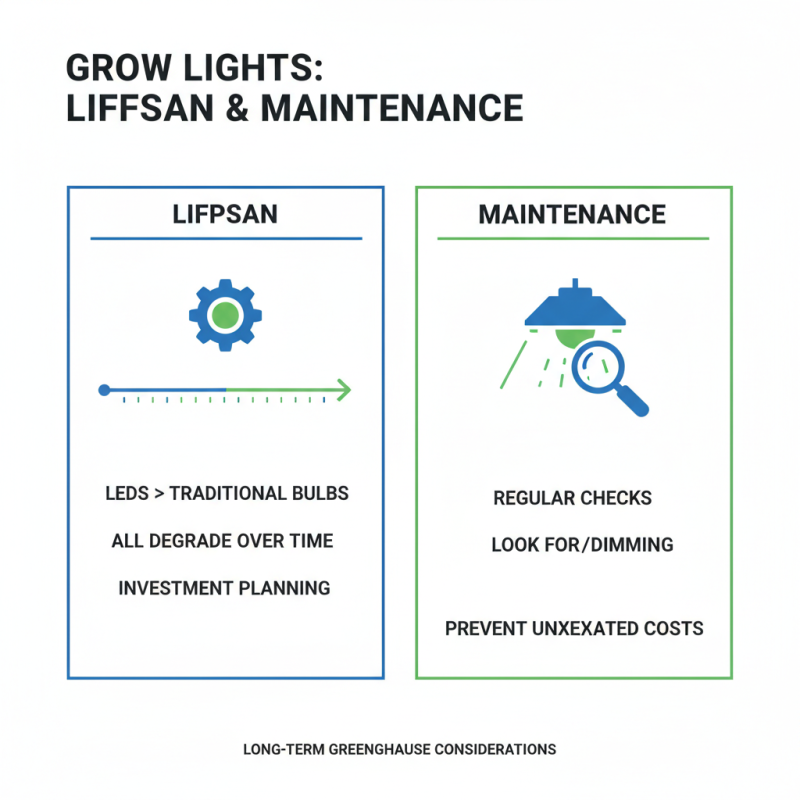
When selecting greenhouse lights, lifespan and maintenance are crucial factors. Lifespan indicates how long your grow lights will function effectively. LEDs, for instance, often last longer than traditional bulbs. However, all lights degrade over time. It's vital to account for this when making an investment. Regularly checking for signs of wear can save unexpected expenses down the road.
Maintenance is equally important. Some light systems require regular cleaning to remain effective. Dust and grime can accumulate, reducing light output. A simple wipe down can enhance performance. Also, be mindful of wiring and connections. Frayed wires can create safety hazards. It’s often necessary to adjust light height as plants grow.
Consider these factors carefully. Mistakes can be costly, both financially and for plant health. It’s easy to overlook lifespan and maintenance until issues arise. Make informed choices, and regularly review your lighting setup. Adaptation may be needed as you gain experience in your gardening journey.