Top 10 DIY Hydroponic Systems for Home Gardening Success?
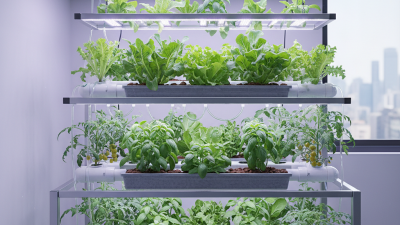
Hydroponic gardening is transforming how we grow food. Research shows that home gardening can increase productivity by up to 45% compared to traditional methods. Many indoor gardeners are adopting a DIY hydroponic system to optimize space and resources. These systems are not only space-efficient but also allow for year-round cultivation of fresh produce.
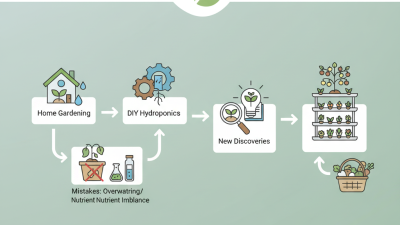
However, many beginners face challenges when starting. A recent survey indicated that 30% of new gardeners reported issues with nutrient management in their DIY hydroponic systems. Understanding how to balance water, light, and nutrients is crucial for success. Each element impacts plant growth significantly.
With careful planning, anyone can create a functional hydroponic system at home. Whether you're aiming to grow lettuce, herbs, or tomatoes, the right setup can lead to bountiful harvests. This article will explore the top 10 DIY hydroponic systems, providing insights and tips for aspiring gardeners.
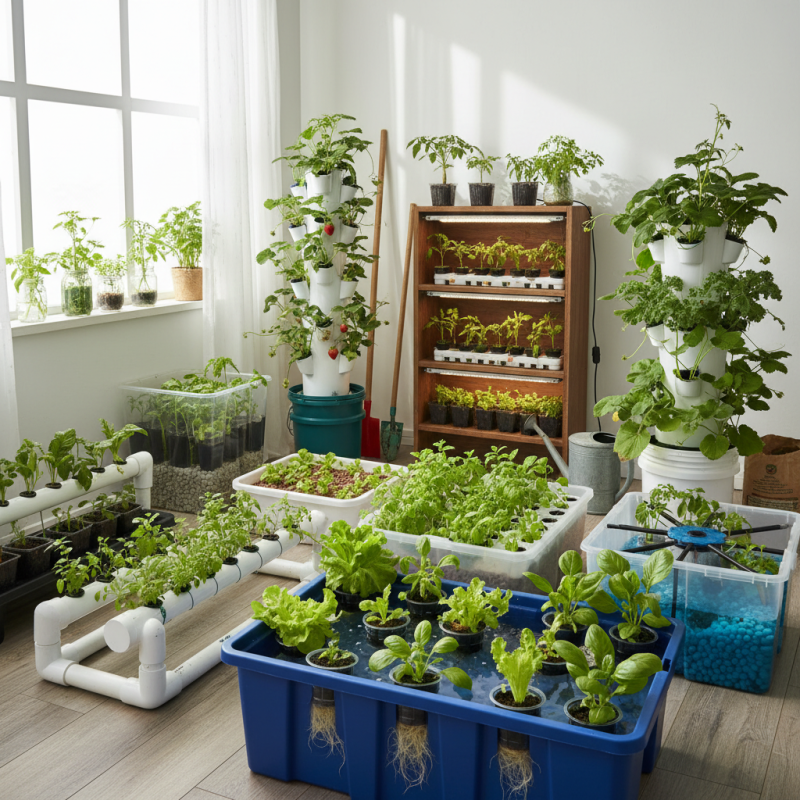
Understanding Hydroponics: The Basics of Soil-less Gardening
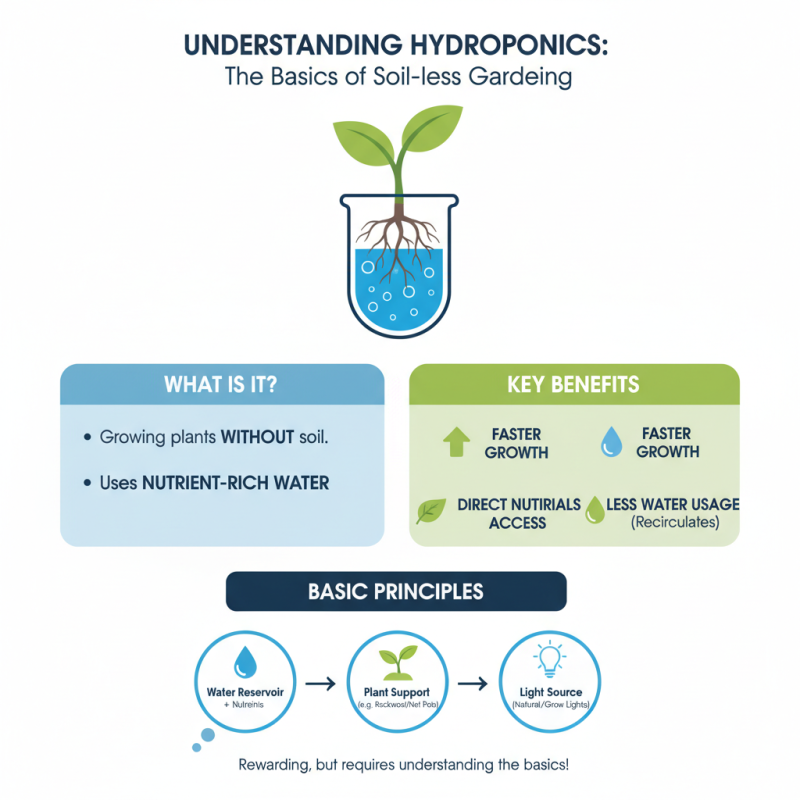
Hydroponics offers an innovative way to grow plants without soil. This method uses nutrient-rich water instead. It allows plants to access essential minerals directly, leading to faster growth. Using hydroponic systems can be rewarding, but it requires understanding the basics.
Start with the right nutrients. Plants need a balanced blend of nitrogen, phosphorus, and potassium. These elements play crucial roles in plant health. Consistency in nutrient delivery is key. Monitor water levels regularly. If they dip too low, plants may suffer.
Tips: Always check pH levels. Ideal readings are between 5.5 and 6.5. This range prevents nutrient lockout. Remember, not all plants thrive in hydroponic systems. Some may not adapt well. Choose varieties that are known for their success in these setups, like lettuce or herbs. Adjust your approach as you learn what works best for your garden.
Essential Components of a Successful DIY Hydroponic System
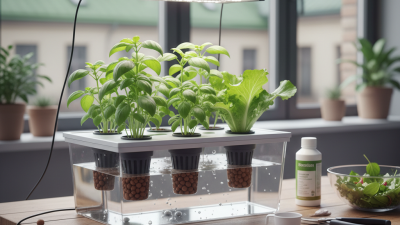
Creating a successful DIY hydroponic system involves understanding its essential components. At the heart of any hydroponics setup is the growing medium. Common options include clay pellets, rock wool, or coconut coir. Each medium has unique properties that affect water retention and nutrient delivery. Choosing the right medium based on your plants’ needs is crucial.
Another key element is the nutrient solution. It must be carefully balanced to provide essential minerals. Regularly checking the pH level can prevent nutrient lockout. Light is also vital for plant growth. LED grow lights are popular because they are energy-efficient and customizable. Positioning lights correctly ensures that all plants receive equal illumination.
Water quality should not be overlooked. Use filtered or distilled water to avoid contaminants. This can influence plant health and growth rates. Lastly, an effective pump system is essential for recirculating water. Proper maintenance of this system prevents clogs and ensures steady flow. Building a hydroponic system can be rewarding but requires ongoing attention and adjustments. Experimentation may be needed to find the best combination of components for your gardening success.
Top 10 DIY Hydroponic Systems for Home Gardening Success
| System Name |
Type |
Benefits |
Difficulty Level |
Cost (USD) |
| Nutrient Film Technique (NFT) |
Recirculating |
Efficient nutrient delivery |
Medium |
70 |
| Deep Water Culture (DWC) |
Static |
Fast growth, simple setup |
Easy |
50 |
| Ebb and Flow (Flood and Drain) |
Recirculating |
Versatile, good for various crops |
Medium |
80 |
| Aeroponics |
Mist |
High yield, optimal oxygenation |
Hard |
150 |
| Vertical Hydroponics |
Stacked |
Space-saving, aesthetic appeal |
Medium |
120 |
| Wick System |
Passive |
Low maintenance, easy to build |
Easy |
40 |
| Kraky Method |
Static |
Very simple for beginners |
Easy |
30 |
| Container Hydroponics |
Potting |
Flexibility in crop choice |
Medium |
60 |
| Aquaponics |
Integrated |
Synergy between plants and fish |
Hard |
200 |
Top 10 Hydroponic Systems for Home Garden Enthusiasts
Hydroponic gardening has gained popularity among home garden enthusiasts. It allows you to grow plants without soil, using nutrient-rich water instead. This method can lead to faster growth and higher yields. For those seeking to maximize their gardening experience, a well-designed hydroponic system is essential.
When considering different systems, factors like space and plant choice play a role. You can choose simple setups like deep water culture or more complex vertical systems. Some setups require advanced technical skills, while others are more beginner-friendly. It's important to assess your needs before diving in. Mistakes can happen, so expect to learn along the way. The learning curve can be steep, and not every attempt will be a success.
Setting up a hydroponic system can be rewarding. Start small and build up your confidence. Monitor your plants closely. This helps in identifying issues early. Analyzing what works and what doesn’t is crucial for growth. Remember, gardening requires patience and persistence. Embrace the journey, celebrate small victories, and use any setbacks as learning opportunities.
Step-by-Step Guide to Building Your Own Hydroponic System
Building your own hydroponic system can be an exciting project. Many people are turning to hydroponics for home gardening. According to the U.S. Department of Agriculture, hydroponic systems can yield up to 30% more produce compared to traditional soil gardening. This method speeds up growth by providing direct access to nutrients.
To start, consider the type of hydroponic setup that suits your space. A simple Nutrient Film Technique (NFT) system can work well in small spaces. You’ll need a nutrient reservoir, a pump, and tubing to deliver nutrients. Using LED grow lights can optimize plant growth. Research suggests that plants grown under these lights can grow up to 25% faster than those under traditional light.
However, it’s essential to monitor pH levels and nutrient concentration. Even minor imbalances can affect plant health. Many DIY growers struggle with system maintenance. Accurate measurement and adjustments should be part of your routine. Consider keeping a journal for tracking your progress and issues. This helps in refining your approach as you go along. With patience and adjustments, your DIY hydroponic system can thrive and yield impressive results.
Maintaining Your Hydroponic Garden: Tips for Success
Keeping a hydroponic garden thriving requires careful attention and regular maintenance. Start by checking nutrient levels weekly. Hydroponics relies on precise nutrient solutions to sustain plant growth. Regularly test pH and EC levels. This ensures your plants receive what they need. If levels fluctuate, adjust the nutrient solution accordingly. Monitoring is essential for successful outcomes.
Another key aspect is light management. Ensure your plants get adequate light exposure. Too little light can stunt growth, while too much can scorch them. Adjust the distance of grow lights based on the plants' responses. Observe their growth habits closely. They may indicate whether adjustments are needed. Inconsistent results often signal the need for better light placement.
Don't overlook the cleaning routine. Dirty systems can lead to algae growth and disease. Inspect and clean your system regularly to prevent these issues. Sometimes, problems arise from unseen sources. A simple oversight can interfere with your entire setup. Embrace the learning journey; every setback offers a chance to refine your methods and gain practical insights.