How to Choose the Best Commercial Hydroponic Systems for Your Business

As the demand for sustainable food production continues to rise, many businesses are turning to commercial hydroponic systems as a viable solution. According to a recent report by Market Research Future, the global hydroponics market is projected to reach USD 16.8 billion by 2025, with a significant portion driven by commercial operations. This growth reflects a broader trend towards innovative agricultural practices that not only increase crop yield but also reduce resource consumption—an essential factor in today's environmentally conscious market.

Expert Dr. James O'Neill, a leading researcher in agronomy and hydroponic systems, states, "Choosing the right commercial hydroponic systems is critical for maximizing productivity and ensuring long-term sustainability." His insights highlight the importance of evaluating various system types, such as nutrient film technique (NFT) and vertical farming, to determine which best aligns with specific business objectives and resource availability.

Navigating the diverse options available in the commercial hydroponic systems market can be challenging. However, understanding the intricacies of each system, along with industry best practices, can empower entrepreneurs to make informed decisions that not only enhance operational efficiency but also contribute positively to the overall agricultural landscape.
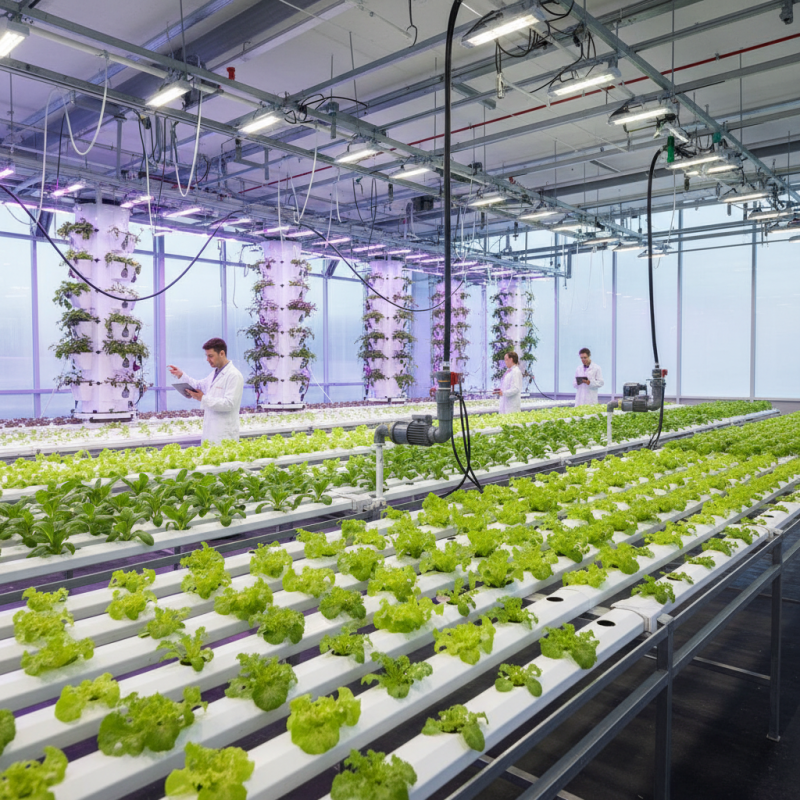
How to Choose the Best Commercial Hydroponic Systems for Your Business

Understanding Hydroponics: Basics and Advantages for Businesses

Hydroponics, a method of growing plants without soil, utilizes nutrient-rich water solutions to nourish crops. This innovative farming technique has gained traction in recent years, particularly among businesses seeking to enhance food production efficiency. According to a report by the Markets and Markets research group, the global hydroponics market is projected to reach $16.0 billion by 2024, growing at a compound annual growth rate (CAGR) of 24.1%. This rapid expansion indicates a growing recognition of hydroponics as a viable solution for meeting the increasing demand for fresh produce.

One of the primary advantages of hydroponics for businesses is space efficiency. Hydroponic systems can be set up vertically, allowing producers to maximize yield in confined areas. The U.S. Department of Agriculture notes that hydroponically grown crops can yield up to ten times more per square foot than traditional farming methods. Additionally, the controlled environment of hydroponic systems minimizes the use of pesticides and fertilizers, aligning with the rising consumer preference for organically grown produce. This environmentally friendly approach not only reduces chemical runoff but also contributes to sustainable practices, making hydroponics an appealing option for businesses committed to corporate responsibility.
Types of Commercial Hydroponic Systems: An Overview of Options

How to Choose the Best Commercial Hydroponic Systems for Your Business

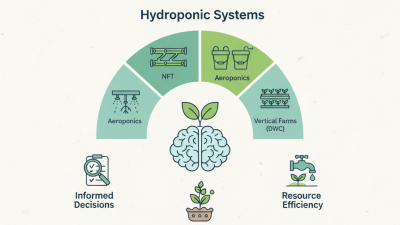
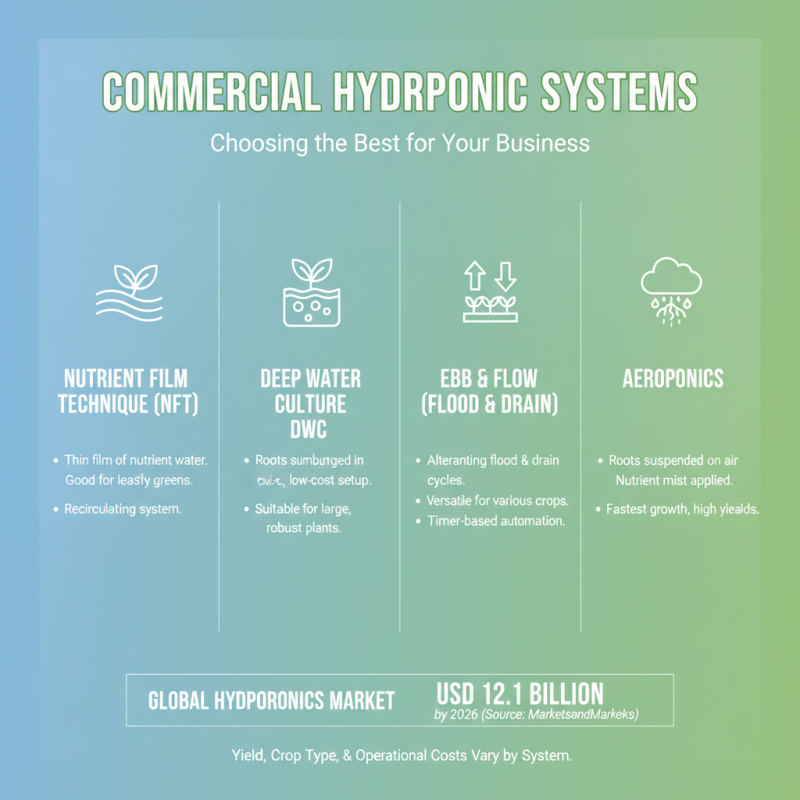
When choosing the best commercial hydroponic systems for your business, it is crucial to understand the various types available in the market. Hydroponic systems can be broadly categorized into several methods including Nutrient Film Technique (NFT), Deep Water Culture (DWC), Ebb and Flow (Flood and Drain), and Aeroponics. According to a report by MarketsandMarkets, the global hydroponics market is expected to reach USD 12.1 billion by 2026, driven by the increasing demand for fresh produce. Each system has its own set of benefits and challenges, which can affect yield, crop type suitability, and operational costs.

NFT systems involve a continuous flow of nutrient solution over plant roots, enabling efficient nutrient absorption. This method is particularly favored for leafy greens and herbs because of its high oxygenation levels and minimal water usage. On the other hand, DWC systems maintain plants in a nutrient-rich solution with roots submerged in water, which is ideal for fast-growing crops such as lettuce and basil. Ebb and Flow systems offer a versatile solution by flooding the grow medium at intervals, making them suitable for a wider variety of plants, including fruiting vegetables. Each type supports different production scales and investment levels, and understanding these options can significantly influence the success of a commercial operation.

According to a report from Research and Markets, the Ebb and Flow system represents approximately 22% of the hydroponics market share due to its adaptability and cost-effectiveness. In contrast, Aeroponics, where roots are misted with nutrients, is gaining traction, especially in urban settings seeking to maximize space and ensure faster crop cycles. By evaluating the various types of hydroponic systems and aligning them with specific business goals, operators can optimize their production processes and enhance profitability in the rapidly expanding hydroponics sector.

Key Factors to Consider When Choosing a Hydroponic System

How to Choose the Best Commercial Hydroponic Systems for Your Business

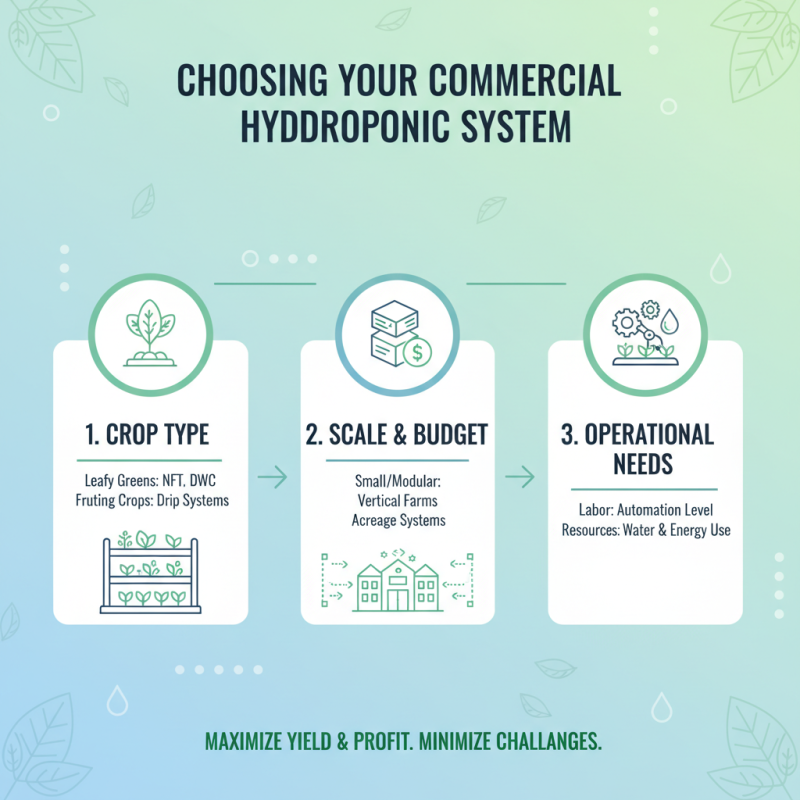
When selecting the best commercial hydroponic system for your business, it's essential to consider several key factors that can significantly impact your operations and overall success. First, evaluate the specific crops you plan to grow, as different systems cater to particular plant types. Systems like nutrient film techniques (NFT) or deep water culture (DWC) may be ideal for leafy greens, while drip systems could suit fruiting crops better. Understanding your crop requirements will guide you in choosing a system that maximizes yield and minimizes operational challenges.

Another crucial factor is the available space for your hydroponic setup. You'll need to analyze your facility's layout and the extent of your growing area. Systems vary in size and complexity, from vertical gardens utilizing minimal floor space to larger bench setups that may demand more room. Opt for a layout that not only fits your space constraints but also allows for efficient workflows.

**Tips:** Consider investing in modular systems that can be easily scaled as your business grows. This flexibility can save you money and time in the long run. Additionally, assess the ease of installation and maintenance of the system, ensuring you can minimize labor costs and operational downtime while keeping your farm running smoothly.

Cost Analysis: Budgeting for Hydroponic Systems and Operations

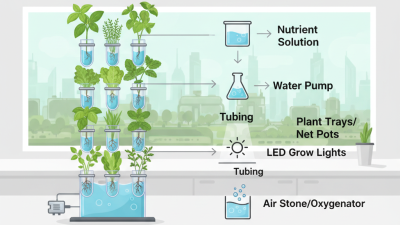
When budgeting for hydroponic systems, it's crucial to consider both initial costs and ongoing operational expenses. The initial investment can vary significantly based on the scale and type of hydroponic setup you choose. Smaller systems, ideal for beginners or pilot programs, may range from a few hundred to several thousand dollars, while larger, commercial-grade systems can run into tens of thousands, depending on technology and capacity. Remember to also factor in costs for essential components like lighting, nutrient solutions, and climate control.

Tips: Start by evaluating your specific business needs and growth potential. This will help you estimate the size and technology of the system required. Additionally, consider the long-term savings that hydroponic systems offer, such as reduced water usage and higher yield per square foot, as these can offset higher initial costs over time.

Operational costs also play a significant role in your budgeting process. This includes expenses such as electricity, water, and maintenance. A well-managed hydroponic system can lead to lower operational costs over time, but it's essential to conduct an in-depth analysis of these recurring expenses.

Tips: Explore various suppliers for nutrient solutions and equipment to get the best prices. Also, adopting automation technologies can streamline operations and reduce labor costs, further enhancing profitability in the long run. Establishing a comprehensive budget that considers both initial and ongoing costs will position your hydroponic business for success.

Cost Analysis of Commercial Hydroponic Systems

This chart illustrates the estimated monthly operational costs for different types of hydroponic systems suitable for businesses.

Maintenance and Support: Ensuring Longevity and Efficiency in Systems

When selecting the best commercial hydroponic systems for your business, maintenance and support play crucial roles in ensuring the longevity and efficiency of these systems. A well-maintained hydroponic system not only maximizes crop yield but also maintains operational efficiency. According to industry reports, commercial hydroponic farms can achieve up to 20% higher yields compared to traditional farming methods when proper maintenance is adhered to. This highlights the importance of regular inspections and maintenance routines to address potential issues before they escalate.

To keep hydroponic systems running smoothly, it is vital to implement a comprehensive maintenance schedule. This includes routine checks of nutrient levels, pH balance, and water quality, as well as cleaning components to prevent algae buildup and blockages. For instance, a study from the Hydroponic Society indicates that proactive maintenance can reduce system failure rates by 30%. Investing in proper training for staff on maintenance practices is equally important for sustaining the system’s efficiency.

**Tips:** Always keep a detailed log of maintenance activities and any adjustments made to the system, as this will help you identify patterns or recurring issues. Additionally, establishing a reliable support network or consultation with hydroponic experts can provide valuable insights and troubleshooting assistance, ensuring your system operates at peak performance. Utilizing automated monitoring solutions can also assist in managing system health proactively, minimizing downtime and maximizing productivity.

How to Choose the Best Commercial Hydroponic Systems for Your Business

System Type Initial Cost ($) Maintenance Frequency (Months) Energy Efficiency Rating Expected Lifespan (Years) Support Availability
NFT (Nutrient Film Technique) 1500 6 A+ 10 24/7 Online Support
DWC (Deep Water Culture) 1200 12 B 8 Phone Support
Ebb and Flow 1800 6 A 12 Email Support
Aeroponics 2500 8 A++ 15 24/7 Online & Phone Support
Vertical Farming Systems 3000 12 A 20 Dedicated Account Manager