Top 10 Tips for Choosing Edible Gelatin for Your Business?
Choosing the right edible gelatin for your business is crucial. The global gelatin market is projected to reach $5.24 billion by 2027, as per market research reports. This reflects the growing demand across food, pharmaceutical, and cosmetic industries. However, navigating through various options can be overwhelming. Understanding the properties of edible gelatin is key to maximizing your product's potential.
Edible gelatin serves diverse functions in food products. It acts as a stabilizer, thickener, and gelling agent. Industries often rely on it for products like desserts and gummies. Reports show that 70% of consumers prefer gelatin-based snacks due to their texture and appeal. Yet, not all gelatins are created equal. Sourcing high-quality edible gelatin can greatly affect taste and product stability.
It's easy to overlook important factors when selecting edible gelatin. Each option comes with specific sourcing, processing, and labeling requirements. Consumers are increasingly health-conscious, preferring clean and transparent labels. This shift urges businesses to reflect on their ingredient choices. Balancing cost, quality, and consumer trends is no small feat, making informed decisions vital for lasting success.
Understanding Different Types of Edible Gelatin Available in the Market
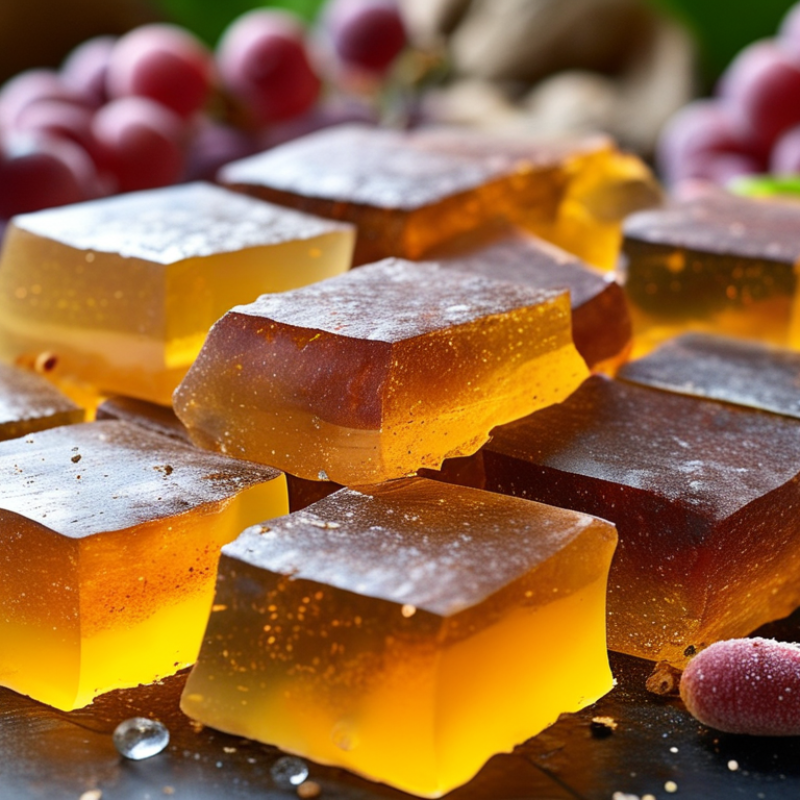
When choosing edible gelatin for your business, understanding the different types available is crucial. The most common types include pork, beef, and fish gelatins. Each type comes with its own set of characteristics, from texture to gelling strength. According to the Food and Agriculture Organization, the global gelatin market is projected to reach $6.5 billion by 2025, reflecting its increasing demand in food production.
One tip is to consider the source of the gelatin. For example, pork gelatin is widely used due to its cost-effectiveness. However, certain dietary restrictions may limit its application. Beef gelatin offers a stronger gelling property but might not be suitable for all consumers. Fish gelatin can be an excellent alternative when catering to halal or kosher markets.
The gelling strength, measured in Bloom units, is another important factor. Gelatin with a Bloom strength between 150 and 300 is common in food production. This range provides a balance between firmness and melt-in-the-mouth consistency. A report by Statista indicates that high Bloom strength gelatins are favored in the confectionery and dessert sectors. Careful selection can influence the final product’s quality and consumer satisfaction.
Top 10 Tips for Choosing Edible Gelatin for Your Business
| Tip | Description | Type of Gelatin | Application | Source |
| Consider the Bloom Strength | Higher Bloom numbers indicate firmer gel. | Powdered Gelatin | Confectionery, desserts | Animal |
| Check for Purity | Ensure no additives or fillers are present. | Sheet Gelatin | Gourmet cooking, jellies | Animal |
| Select the Right Form | Choose between powdered and sheet based on application. | Hydrolyzed Gelatin | Health supplements, nutrition bars | Animal |
| Consider Vegetarian Options | Look for plant-based alternatives like agar-agar. | Agar-Agar | Vegan desserts, jellies | Plant |
| Avoid Low-Quality Gelatin | Cheaper products may not set well. | Knox Gelatin | Home cooking, simple recipes | Animal |
| Evaluate Setting Temperature | Different gelatins set at varying temperatures. | Gelatin Powder | Custards, marshmallows | Animal |
| Understand Water Absorption | Different gelatins absorb water at different rates. | Gelatin Granules | Soups, sauces | Animal |
| Consider Shelf Life | Check expiry dates and how to store gelatin. | Instant Gelatin | Quick recipes, instant desserts | Animal |
| Read Customer Reviews | Gather insights from other customers’ experiences. | Organic Gelatin | Health-focused products | Animal |
Evaluating Gelatin Quality: What to Look For in Certifications and Labels
When evaluating gelatin for your business, you must assess its quality carefully. Start by examining the certifications on the label. Look for those that indicate adherence to food safety standards. For instance, certifications from recognized food safety organizations can highlight a product's reliability. If a label lacks transparency, approach it with caution. Quality should never be an afterthought.
Next, check the source of the gelatin. Gelatin can be derived from different animal sources, and this impacts its quality. Whether it's bovine or porcine, the origin affects texture and gelling properties. Seek suppliers who provide detailed information about sourcing practices. This transparency can be a sign of their commitment to high-quality products. Always question whether the gelatin's sourcing aligns with your business's ethical standards.
Lastly, consider customer feedback on gelatin products. Reading reviews and testimonials can offer valuable insights. However, beware of overly positive reviews that may seem too good to be true. Trust, but verify. Gathering diverse opinions can paint a fuller picture of a product’s performance in real-world applications. Assessing gelatin quality requires diligence. Small details can lead to significant changes in your final product.
Assessing Nutritional Aspects: Common Ingredients and Allergen Information
When selecting edible gelatin for your business, nutritional aspects are crucial. Gelatin is primarily derived from animal sources, often collagen from bones or skin. This means it is not suitable for vegetarians or vegans. Many consumers are increasingly conscious of dietary restrictions. Businesses must offer transparency about ingredients.
Common allergens may be hidden within the gelatin preparation process. Cross-contamination can occur during manufacturing, making allergy information vital. Labels should clearly state any potential allergens to ensure customer safety. Some gelatin products may contain additives or preservatives, introducing more allergens. Always review ingredient lists carefully.
Another consideration is the source of the gelatin. Some suppliers use sustainable practices, while others do not. Ethical sourcing is gaining importance among consumers. It may be difficult to find reliable suppliers. Verifying their practices can be time-consuming, but it's worth the effort. Your commitment to quality and safety can enhance brand loyalty. Take the time to assess these factors diligently.
Considering Sourcing and Supply Chain: Local vs. International Options
When sourcing edible gelatin, the decision between local and international suppliers is crucial. Local suppliers often provide fresher gelatin. This can enhance the quality of your products. However, international options may offer a wider variety and potentially lower costs. According to a recent market analysis, about 47% of businesses prefer local sourcing due to reduced lead times.
Sourcing internationally, however, can introduce delays and complexities. A study by the Food and Beverage Industry Association found that 30% of companies faced challenges in customs clearance. Understanding these variables is essential for maintaining production timelines. Additionally, you may encounter fluctuations in price and supply stability when relying on international suppliers.
Assess your company's needs carefully. Local suppliers can offer personalized service, which is invaluable for small to medium enterprises. However, global suppliers might have bulk benefits that suit larger operations. Keep in mind that different regions may have distinct regulatory standards. This could affect gelatin quality. It's worth investigating local regulations versus those in major exporting countries. Balancing these factors will ensure a more sustainable supply chain.
Comparison of Edible Gelatin Sources
Pricing Strategies: Finding the Right Balance Between Cost and Quality
Pricing strategies in the edible gelatin industry must balance cost and quality. The global gelatin market size was valued at approximately $3 billion in 2022, with a projected CAGR of 5.2% through 2030. This statistic reflects a growing demand for high-quality gelatin in various applications.
When considering suppliers, it's essential to assess their production practices and sourcing of raw materials. Lower-priced options may compromise quality. A survey indicated that 74% of businesses prioritize quality over cost when selecting gelatin. However, businesses often pause at the higher prices, unsure of their value. Striking this balance requires careful analysis of both pricing and feedback from culinary professionals.
Despite the focus on quality, many companies find it challenging to maintain profit margins. Rising raw material costs and logistics can affect pricing strategies. Monitoring market trends and engaging in competitor analysis helps businesses adapt. Knowledge of current market conditions ensures firms make informed decisions. The meticulous selection of edible gelatin can position a business effectively in a competitive landscape.