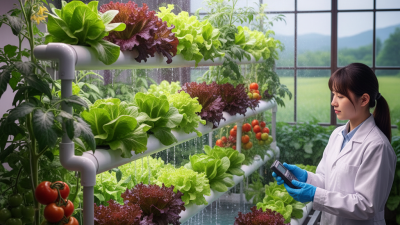
How to Choose the Best Greenhouse Lights for Your Plants
Choosing the right greenhouse lights is crucial for your plants' growth. The right lighting can boost photosynthesis. It can also enhance flowering and fruiting in various species. However, the abundance of options can be overwhelming. LED, fluorescent, and HID lights all have different advantages and disadvantages.
When considering greenhouse lights, think about your specific plants. Not all plants require the same light intensity or spectrum. Some may thrive under bright, direct light, while others prefer softer, indirect light. Reflect on your greenhouse size and layout too. Larger spaces may need more strategic lighting solutions.
Lastly, it is essential to check energy consumption. High-quality greenhouse lights can save you money in the long run. However, cheaper options might lead to higher electricity bills. Striking a balance between cost and efficiency is key. This requires careful consideration to ensure a successful greenhouse environment.
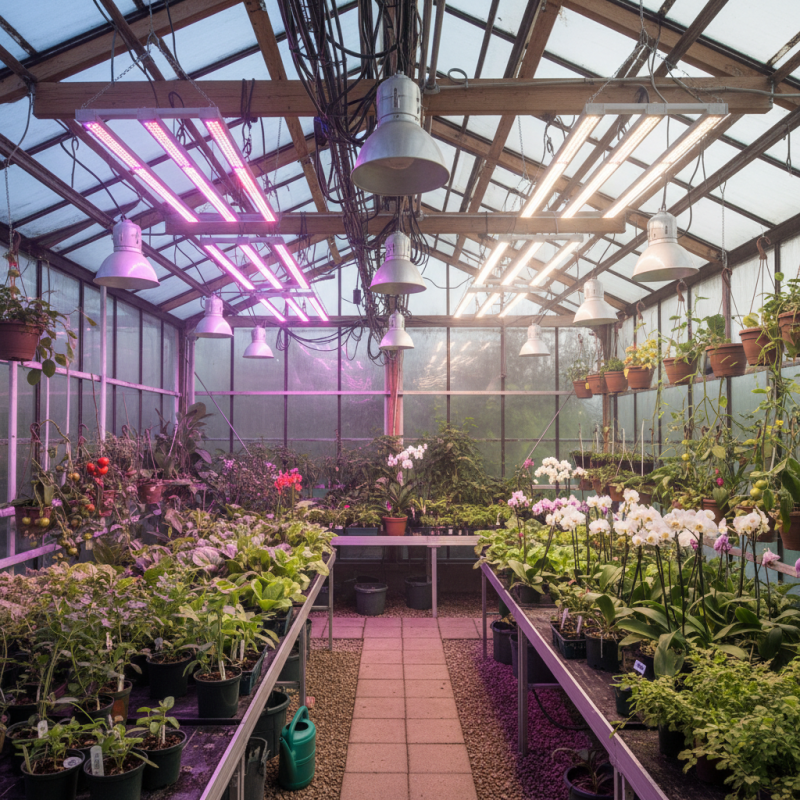
Understanding the Importance of Proper Lighting for Plant Growth
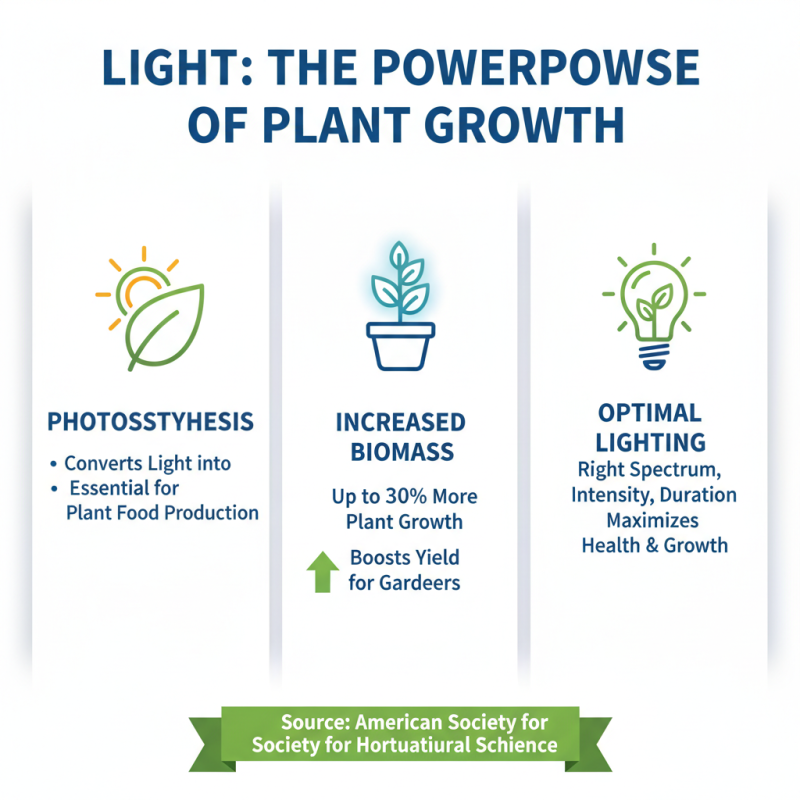
Lighting plays a crucial role in plant growth. Plants rely on light for photosynthesis, the process that converts light energy into chemical energy. According to research published by the American Society for Horticultural Science, proper lighting increases plant biomass by up to 30%. This is a significant boost for any gardener or greenhouse operator looking to maximize their yield.
Different plants require varying light conditions. For instance, leafy greens thrive under cooler, blue light wavelengths, while flowering plants often prefer warmer, red wavelengths. Understanding these needs can optimize growth. Yet, many growers misjudge the intensity and duration of light needed. Statistics show that nearly 40% of indoor gardeners use inadequate lighting for their plant species. This oversight can lead to weak, leggy plants or stunted growth.
It's not just about brightness; the quality of light matters too. A balanced spectrum encourages healthy growth. However, achieving the optimal setup can be challenging. Many novice growers invest in expensive lighting without considering their specific plant types. Reflect on your choices and the energy costs involved. Sometimes, simpler solutions can be more effective than high-tech systems. Evaluating your lighting strategy is essential for thriving plants.
Types of Greenhouse Lights: An Overview of Options Available
Choosing the right greenhouse lights is crucial for nurturing plants. Different types of lights serve various needs. Fluorescent lights are popular for seedlings. They provide a soft glow and are energy-efficient. However, they might not be powerful enough for all stages of growth.
Another option is LED lights. LEDs are versatile and long-lasting. They emit less heat, making them safe for sensitive plants. Yet, they can be more expensive upfront. The initial cost can be daunting for some gardeners.
High-pressure sodium (HPS) lights are ideal for flowering plants. Their warm spectrum encourages robust blooms. But, they consume a lot of energy and can generate heat. This might lead to higher electricity bills. Remember, each option has its pros and cons. It's essential to assess your greenhouse's specific needs before making a final choice.
How to Choose the Best Greenhouse Lights for Your Plants
| Type of Light |
Light Spectrum |
Energy Efficiency |
Lifespan |
Ideal For |
| LED |
Full Spectrum |
High |
25,000 - 50,000 hours |
All growth stages |
| Fluorescent |
Cool White / Warm White |
Moderate |
10,000 - 20,000 hours |
Seedlings and clones |
| HID (High-Intensity Discharge) |
Blue Spectrum / Red Spectrum |
Low |
12,000 - 24,000 hours |
Flowering and fruiting stages |
| Incandescent |
Full Spectrum |
Very Low |
1,000 - 2,000 hours |
Supplemental lighting |
Factors to Consider When Selecting Greenhouse Lights
Choosing the right lights for your greenhouse is crucial for plant health. Several factors should guide your decision. One key aspect is the type of light. LED, fluorescent, and high-intensity discharge lights each offer distinct benefits. LEDs are energy-efficient but can be costly upfront. Fluorescents are affordable but might not penetrate deep into plant canopies. High-intensity options produce significant heat, which can be both beneficial and tricky to manage.
Light spectrum plays a vital role too. Plants thrive on specific wavelengths. Red and blue lights are essential for growth and flowering. However, some gardeners overlook the importance of full-spectrum lights. These can provide a more balanced environment. Too often, they simply choose based on personal preference rather than plant needs. Installation height is another factor. Lights that are too close can scorch plants, while those too far might not provide adequate coverage.
Consider energy consumption as well. It might seem tempting to choose the brightest options available, but this can lead to high energy bills. Reflect on your plants' specific needs. Conducting research before making a choice is essential. A wrong decision can lead to stunted growth and wasted resources. Pay attention to all these factors to make a more informed decision.
Evaluating the Energy Efficiency of Greenhouse Lighting Solutions
Choosing energy-efficient lighting for your greenhouse can significantly impact plant growth. The right lights can enhance photosynthesis and promote healthier plants. Yet, many growers overlook the importance of energy efficiency. It’s essential to evaluate both light quality and energy consumption.
LED lights are a popular choice for greenhouse growers. They consume less electricity while providing a broad spectrum of light. However, some LED options are not as efficient as claimed. Check the lumens per watt ratio to ensure you select wisely. Additionally, fluorescent lights are another option. They are generally cheaper upfront but may consume more energy over time. Plant growth could ultimately suffer if you choose the wrong lighting.
Consider the placement of your lights in relation to the plants. Too close can cause heat stress. Too far can reduce their effectiveness. Evaluate the positioning regularly, as your plants grow. This constant assessment is key to ensuring optimal light exposure. Energy efficiency is not just about saving money; it’s about fostering a thriving environment for your plants.
Energy Efficiency of Different Greenhouse Lighting Solutions
This chart shows the energy efficiency (measured in lumens per watt) of various greenhouse lighting solutions. Higher lumens per watt indicate a more efficient light source for plant growth.
Best Practices for Installing and Maintaining Greenhouse Lights
When installing greenhouse lights, consider the layout of your growing space. Proper placement is crucial. Inefficient lighting can lead to plant stress. Research shows that plants require specific light spectra for optimal growth. For instance, using a combination of red and blue LEDs can enhance photosynthesis. Aim for a light height of 12 to 24 inches above plants. This distance can vary based on light intensity. Monitor plant response closely to adjust as needed.
Maintenance of greenhouse lights often gets overlooked. Regular cleaning is essential to ensure maximum light output. Dust and grime can reduce efficiency by up to 30%. Schedule cleaning every few weeks. Additionally, check wiring and connections often. Faulty wiring can lead to significant safety risks. According to industry reports, roughly 20% of greenhouse fires are attributed to electrical malfunctions. Keeping a maintenance log can help track any issues.
Using timers for your lights can optimize energy use. Many reports suggest that consistent light cycles improve plant health. However, you must consider seasonal variations. As daylight hours change, adjust your timers accordingly. This flexibility can reduce energy costs and promote better growth. Finding the right balance can be tricky. It's essential to evaluate both plant needs and energy efficiency often.