How to Choose the Best Edible Emulsifiers for Your Needs?
Choosing the right Edible Emulsifiers can significantly impact your culinary creations. These ingredients stabilize mixtures of oil and water, ensuring uniform texture and enhanced flavor. Quality emulsifiers make a difference in sauces, dressings, and baked goods. Understanding what meets your specific needs is essential.
Many types of edible emulsifiers are available today. Some are derived from natural sources, while others are synthetically produced. The choice can affect not just the final taste, but also the health benefits of your dishes. It's important to research various options. Reliability and sourcing can guide you in making informed decisions.
In this complex landscape, consider your target audience and desired product attributes. Seeking guidance from industry experts can enrich your knowledge. Ultimately, the best emulsifiers align with your culinary goals. Reflection on past choices may reveal surprising insights as you navigate this essential aspect of food crafting.
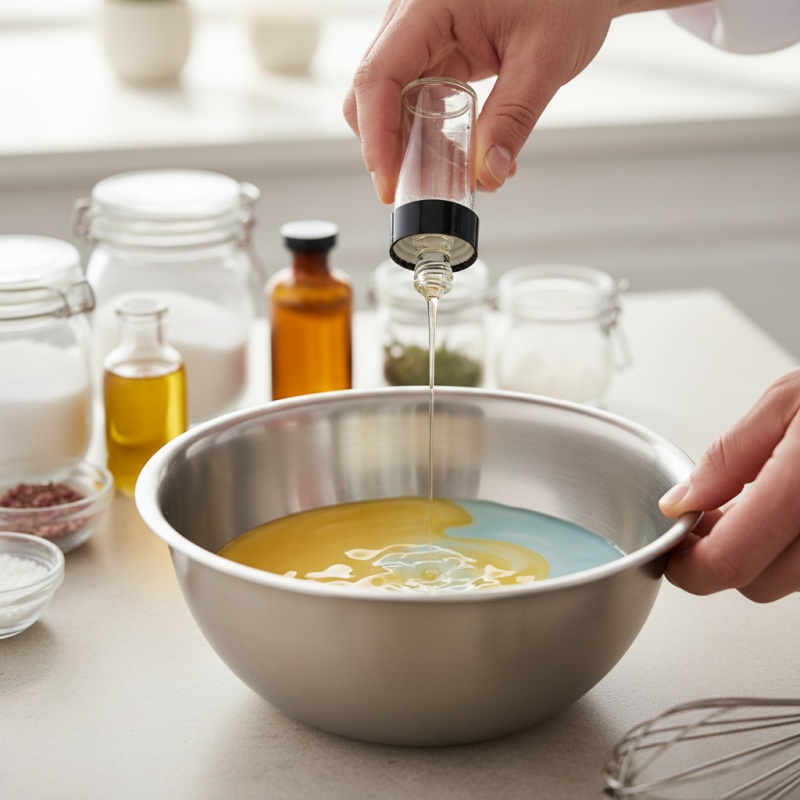
Understanding Emulsifiers: Types and Their Functions
Emulsifiers are crucial in food production. They enhance texture, improve stability, and increase shelf life. Understanding the types of emulsifiers can help you choose the best options for your needs. There are natural and synthetic emulsifiers, each with unique functions. Natural emulsifiers, like lecithin, are derived from plant or animal sources. They are generally safer and favored in health-conscious markets, according to a report by the International Food Information Council.
On the other hand, synthetic emulsifiers, such as mono- and diglycerides, are widely used for their cost-effectiveness. A study published in the Journal of Food Science indicated that these emulsifiers could improve the texture of baked goods. However, their long-term health impacts remain debated. When choosing an emulsifier, consider your product’s target audience. For example, vegetarian or vegan consumers may prefer plant-based options.
Tips: Always check ingredient labels carefully. Manufacturers may use terms like “stabilizers” or “thickeners,” which could indicate emulsifiers. Conduct small batch tests to observe how different emulsifiers affect your recipe's taste and texture. Keep in mind, finding the right emulsifier might take trial and error to achieve the desired result.
Evaluating the Source of Emulsifiers: Natural vs. Synthetic Options
When evaluating edible emulsifiers, the source is vital. Natural emulsifiers, such as lecithin and xanthan gum, have gained popularity. These options are often derived from plant or animal sources, making them appealing for clean-label products. According to a report by the International Food Research Journal, over 60% of consumers prefer natural ingredients in food products. This trend reflects a shift towards health consciousness.
Synthetic emulsifiers, like polysorbates and mono- and diglycerides, are common in processed foods. They offer stability and shelf life but may raise concerns regarding health effects. A study published in the Journal of Food Science found that certain synthetic emulsifiers could alter gut microbiota balance, which may impact overall health.
Choosing between natural and synthetic emulsifiers requires careful consideration. Natural options are often perceived as safer but can lead to inconsistent results in food texture. Synthetic emulsifiers provide reliability but at a potential cost to health. Understanding these trade-offs is essential for making informed decisions in food production.
Comparison of Natural vs. Synthetic Edible Emulsifiers
This chart illustrates the comparison of several key attributes of natural and synthetic edible emulsifiers. The data highlights aspects such as stability, cost-effectiveness, and consumer preference.
Assessing Compatibility: Matching Emulsifiers with Ingredients
When selecting emulsifiers, assessing compatibility with your ingredients is crucial. Different emulsifiers exhibit varying interactions with fats, oils, and water. A study by the Food Emulsifier Manufacturers Association shows that certain emulsifiers, like mono- and diglycerides, enhance the stability of oil-in-water emulsions. Yet, not all emulsifiers perform equally across different formulations.
Selecting the right emulsifier requires careful consideration. For example, lecithin works well with soy and can stabilize dressings. However, when pairing lecithin with acidic ingredients, such as vinegar, its efficiency may diminish. A compatibility chart can be beneficial for visualizing these interactions. It helps determine which emulsifiers may cause separation or yield undesirable textures.
Even seasoned formulators encounter challenges. Some emulsifiers might not perform as expected in high-temperature environments. It's essential to test a small scale before large-scale production. Understanding the unique properties of each emulsifier can lead to innovative formulations. The right choice fosters stability and enhances sensory qualities, ultimately benefiting product performance.
Determining the Right Ratios: How Much Emulsifier to Use
When it comes to emulsifiers, getting the ratios right is crucial. Emulsifiers help blend oil and water, creating stable textures in food products. The amount needed often varies based on the specific ingredients and desired outcome. For instance, a typical range might be between 0.5% and 5% of the total mixture. However, achieving the right consistency may require adjustments.
Consider the texture you want to achieve. For creamy dressings, you might start with 1% emulsifier. If your mixture separates, increase the amount gradually. This adjustment can lead to a better blend but can also change the flavor profile. Testing small batches can provide valuable insights.
Using the wrong amount can lead to undesirable results. Too much emulsifier may create an odd texture, while too little might result in separation. It's important to be willing to experiment and observe outcomes. Don't hesitate to make notes on what works and what doesn’t. Fine-tuning your approach can greatly enhance your emulsification skills.
Regulatory Considerations: Safety and Labeling Requirements
When selecting edible emulsifiers, safety should be your top priority. Regulatory bodies set guidelines for these substances to ensure consumer protection. Compliance with these regulations guarantees the emulsifiers are safe for consumption. This includes ensuring that the emulsifiers used are approved for food products. Always check the regulations that apply in your region.
Labeling requirements are equally crucial. Proper labeling helps consumers make informed choices. Ingredients must be listed clearly, including emulsifiers. This transparency is essential for those with dietary restrictions or allergies. Misleading labels can lead to distrust. Proper understanding of labeling ensures accountability from manufacturers.
It is important to note that while emulsifiers offer functional benefits, improper use can lead to negative perceptions. Consumers may question the need for specific emulsifiers. Clear communication about their purpose is essential. Addressing these concerns can build confidence in product choices. Balancing safety and effectiveness is vital for any food formulation.