Why Choose Greenhouse Lights for Optimal Plant Growth?
In the world of horticulture, the choice of lighting plays a crucial role in plant development. Dr. Emily Foster, a leading expert in greenhouse technologies, emphasizes, "The right greenhouse lights can significantly enhance plant growth and yield." Her research underlines how specific light spectrums can stimulate photosynthesis, resulting in healthier plants.
Greenhouse lights provide essential wavelengths that mimic natural sunlight. These artificial lights extend the growing season and support plant health in various conditions. They also allow for year-round cultivation, making them a favorite among commercial growers. However, not all greenhouse lights are created equal. Growers must understand the specific needs of their plants to select the right type of lighting.
While many opt for LED solutions due to their energy efficiency, others still rely on traditional lighting methods. This choice can lead to mixed results. Some growers might overlook the long-term cost benefits of LEDs. Ensuring the correct placement and intensity of greenhouse lights remains a challenge. Making informed decisions ultimately paves the way for optimal plant growth.
Benefits of Greenhouse Lights for Plant Development
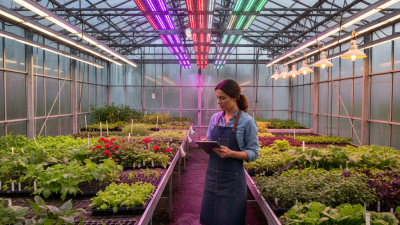
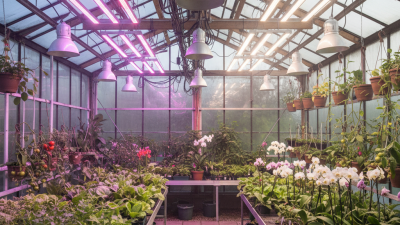
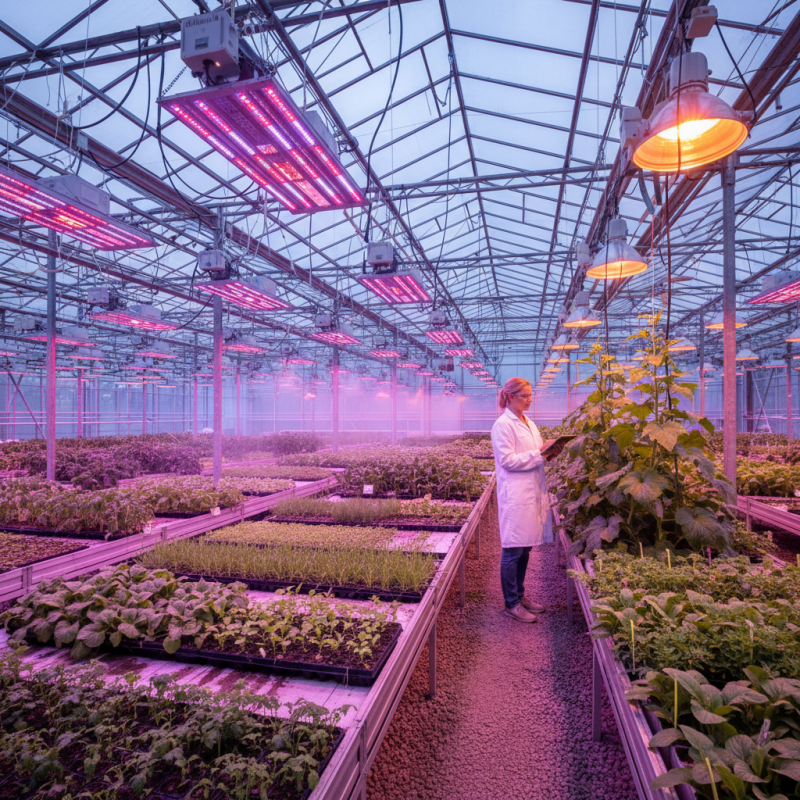
Greenhouse lights have become essential for plant development in controlled environments. These lights mimic natural sunlight, allowing plants to photosynthesize effectively. The right spectrum of light encourages strong growth and vibrant blooms. Growers can adjust light intensity and duration to suit different plant stages.
One significant benefit is improved yield. Plants receive consistent light, which promotes faster growth. This leads to higher productivity, especially in off-seasons when daylight is scarce. Some growers note differences in flavor and quality when using greenhouse lights. Controlled lighting can draw out desirable traits.
However, not all greenhouse lighting solutions work for every plant type. It’s crucial to understand specific needs. Experimentation may be necessary to find the best fit. Some lights generate heat, requiring careful temperature management. Growers must regularly assess and tweak their setups for optimal results. This ongoing process helps maximize plant development over time.
Types of Greenhouse Lighting Solutions Available
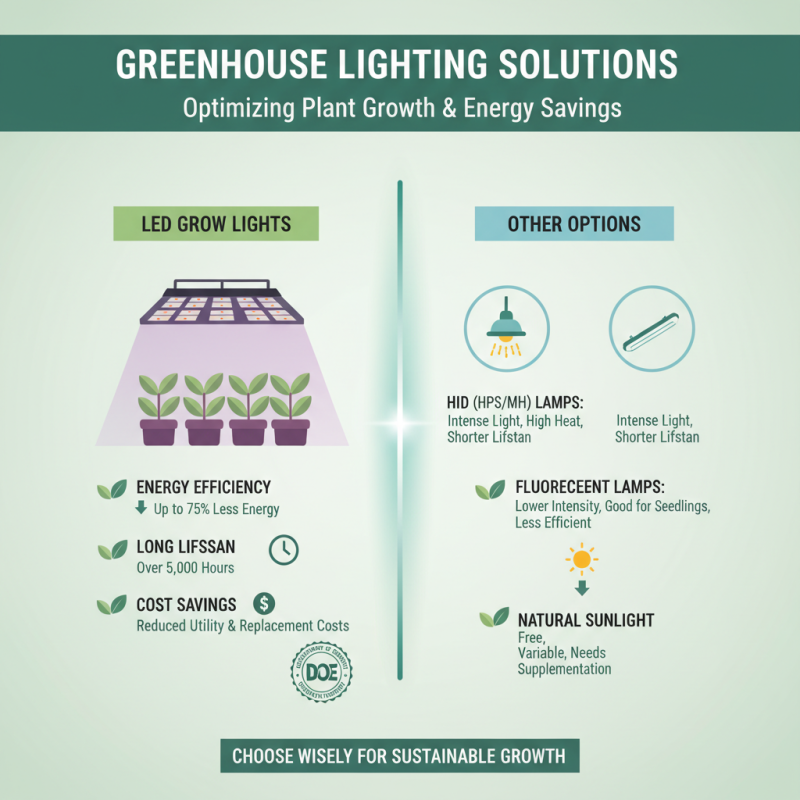
When considering greenhouse lighting, various options exist to ensure optimal plant growth. LED lights are widely recognized for their energy efficiency. According to a report from the Department of Energy, LEDs can reduce energy consumption by up to 75% compared to traditional lighting. Their lifespan often exceeds 50,000 hours, offering substantial savings over time.
Fluorescent lights are another common choice for greenhouse growers. They are affordable and effective for seedlings and young plants. However, their output may diminish over time, requiring regular replacement. Horticultural fluorescent fixtures provide specific color spectrums ideal for plant development. It's important to monitor their effectiveness, as diminished light output can hinder plant growth.
HPS lights, or high-pressure sodium lights, provide intense light and heat. They are often favored during flowering stages. These lights can help increase the yield but may require additional cooling solutions due to heat generation. Keeping a balanced temperature is vital for plant health.
Tip: Regularly evaluate your lighting solutions to ensure they meet your plants' growth stages. Check the spectrum and intensity as your plants develop. Adjusting your lighting can significantly enhance plant productivity.
Factors Influencing Light Requirements in Greenhouses
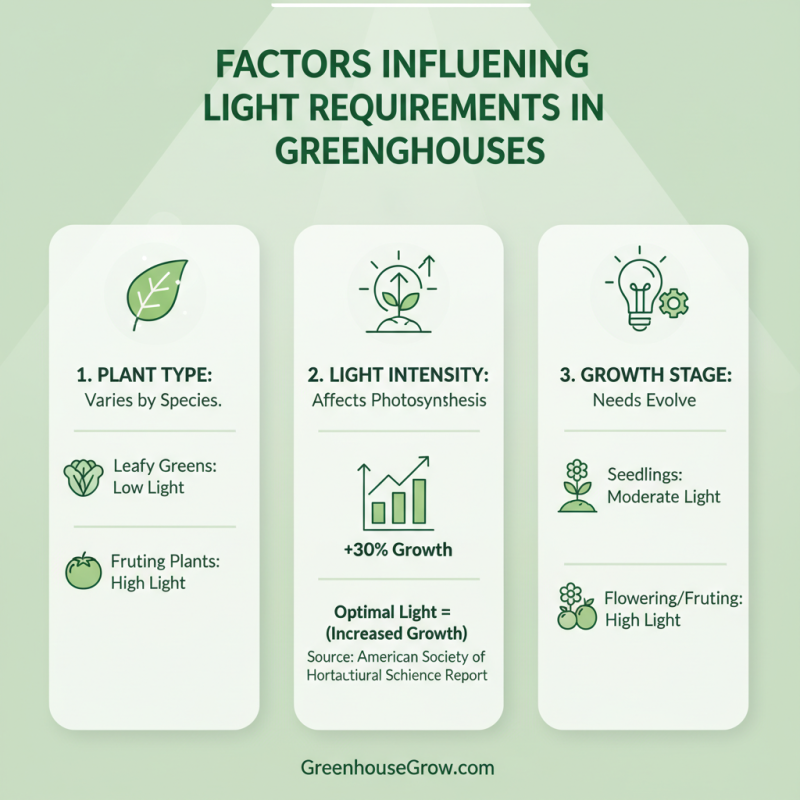
In greenhouses, light is a vital factor for plant growth. Different plants have varying light requirements. For instance, leafy greens prefer low light, while fruiting plants demand more intensity. A report by the American Society of Horticultural Science indicates that photosynthetic rates can increase by up to 30% with optimal light conditions.
Light spectrum also matters. Plants utilize blue light for growth and red light for flowering. Studies suggest a balanced spectrum can enhance yield by 20%. However, achieving this balance can be challenging. Many growers struggle to find the right mix of LED wavelengths. They may overestimate requirements, leading to wasted energy and resources.
Monitoring light duration is crucial too. Many plants have specific photoperiod needs. Some thrive in long days, while others need darkness to flower. Inadequate light duration can stunt growth. A University of Florida study highlighted that basil growth decreased by 15% when not exposed to adequate light durations. Adjusting these factors is essential for successful greenhouse management.
Best Practices for Utilizing Greenhouse Lights Effectively
Utilizing greenhouse lights effectively can significantly enhance plant growth. One of the best practices is to tailor the light spectrum to the plants’ needs. Different plants thrive under specific light conditions. For instance, herbs often require more blue light during their growth stage, while flowering plants benefit from red light. Monitoring light intensity is also crucial. Too much light can lead to stress, while too little can hinder growth.
Another important factor is the timing of light exposure. Consistency in light cycles helps regulate plant development. Using timers can automate this process, ensuring plants receive adequate light. However, it's essential to observe how your plants respond. You may need to adjust the duration or intensity based on their growth patterns.
Finally, maintaining the right distance between the light source and the plants is vital. If lights are too far away, plants may become leggy. Conversely, if they are too close, you risk burning the foliage. Regularly assessing these parameters can lead to improvements. It's a learning curve, and adjustments may be necessary as seasons change. Always keep an eye on your plants and be ready to make changes as needed.
Impact of Light Quality and Spectrum on Plant Health
Plants rely heavily on light for photosynthesis and growth. The quality and spectrum of light can dramatically influence plant health. Greenhouse lights designed for optimal plant growth create specific spectrums that mimic natural sunlight, crucial for various growth stages.
Different light spectra promote different plant responses. Blue light encourages vegetative growth, while red light stimulates flowering and fruiting. However, relying solely on one spectrum can hinder balanced development. Plants can show signs of stress if the light doesn't meet their needs. Observations suggest that a blend of spectrums often yields the best results.
Growing plants under greenhouse lights also requires monitoring light intensity. Too strong or too weak light can lead to issues like stretching or leaf burn. Each plant species has unique light requirements. It's important to tweak light settings based on these needs. This approach is not always straightforward, and it may require reflecting on past experiences and adjustments. Having reliable data for light settings helps in achieving better plant health overall.
Why Choose Greenhouse Lights for Optimal Plant Growth? - Impact of Light Quality and Spectrum on Plant Health
| Light Type |
Wavelength Range (nm) |
Photosynthetically Active Radiation (PAR) |
Ideal Plant Stage |
Effect on Growth |
| LED Grow Lights |
400-700 |
High |
Seedlings to Flowering |
Promotes healthy growth and flowering |
| HID Lights |
300-800 |
Moderate to High |
Vegetative to Fruiting |
Enhances size and yield |
| Fluorescent Lights |
400-600 |
Low to Moderate |
Seedlings and Clones |
Promotes initial growth phases |
| Incandescent Lights |
300-800 |
Low |
Limited Use |
Not effective for plant growth |