Why Choose a DIY Hydroponic System for Your Garden?
The growing interest in sustainable gardening has led many gardeners to explore innovative solutions. A DIY hydroponic system offers numerous benefits, promoting efficiency and self-sufficiency. According to a report by MarketsandMarkets, the global hydroponics market is expected to reach $12.1 billion by 2025. This growth highlights the increasing preference for soil-less gardening.
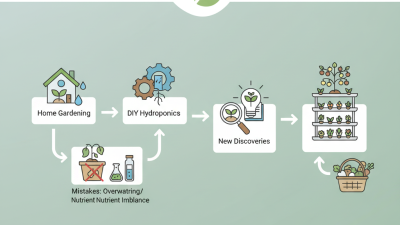
DIY hydroponic systems allow gardeners to grow plants year-round, optimizing space and resources. A study from Cornell University indicates that hydroponically grown crops can yield up to 30% more than traditional methods. This method is great for urban dwellers with limited gardening space. However, it requires careful planning and monitoring, as mistakes can lead to nutrient imbalances or crop failures.
Many new gardeners hesitate due to perceived complexity. While a DIY hydroponic system can seem daunting, the rewards often outweigh the initial challenges. Understanding the system design and nutrient flow is crucial. Gardeners often need to experiment with different setups to find the best fit. Embracing this process can lead to impressive results and a deeper connection with gardening.
Benefits of DIY Hydroponic Systems for Home Gardening
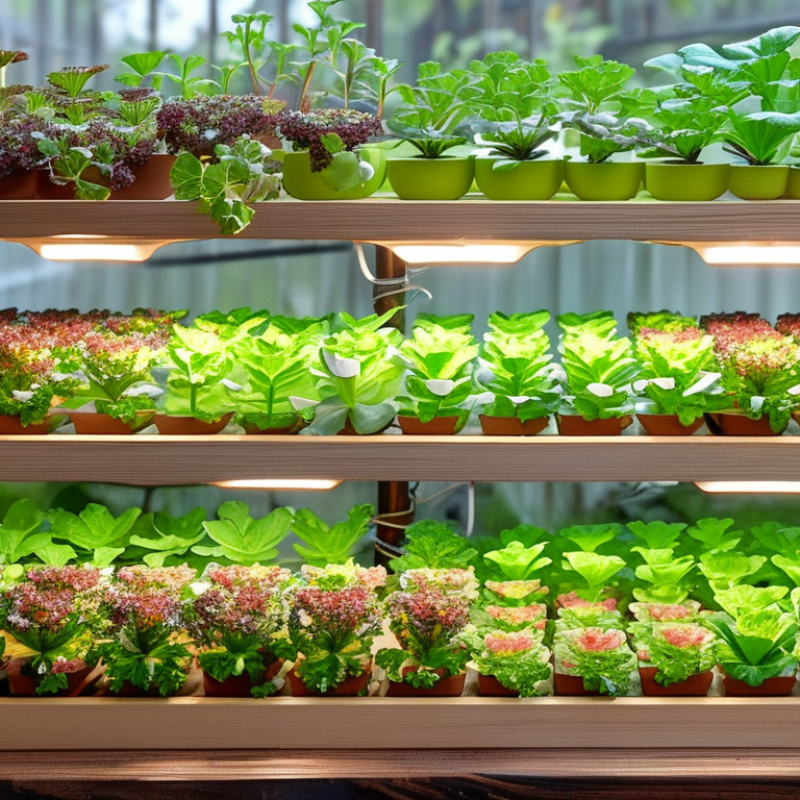
Creating a DIY hydroponic system for your home garden opens up a world of benefits. For starters, it allows you to grow fresh produce year-round. This is especially advantageous for those living in regions with short growing seasons. A homemade system can produce herbs, vegetables, and fruits efficiently. You don’t need a large space; even a small balcony can suffice.
Another benefit is cost savings. Building your own system often costs less than purchasing a pre-made solution. You can use reclaimed materials, such as plastic containers or old shelves, which are often readily available. This aspect also makes it a sustainable choice. Growing your own food can reduce your grocery bill. However, it does require some initial research and experimentation. Failures may happen, like nutrient imbalances or system leaks. Each mistake teaches valuable lessons for future attempts.
More importantly, DIY hydroponics encourages a hands-on approach. It fosters an understanding of plant needs and growth cycles. This knowledge builds confidence in gardening skills and increases food sustainability. While it’s a rewarding hobby, remember that it may not provide instant results. Patience and persistence are essential in this journey towards thriving green life.
Essential Components of a DIY Hydroponic Setup
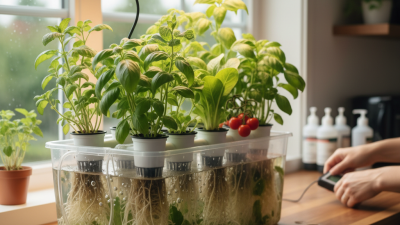
When setting up a DIY hydroponic system, understanding essential components is crucial. First, a suitable container is needed. This can be a plastic bin or a specially designed reservoir. It should hold enough water and nutrients for your plants. Make sure it is opaque to reduce algae growth.
Next, consider a growing medium. Options include clay pellets, rock wool, or coco coir. Each has its benefits and downsides. Clay pellets offer good drainage but may have lower nutrient retention. Rock wool holds moisture well, which can lead to overwatering. Choose based on your plant type and personal preference.
An air pump is also vital for oxygenation. It keeps the water fresh. Without proper aeration, roots can suffocate. Additionally, a grow light may be necessary if your setup lacks natural sunlight. This makes it possible to grow year-round. Remember to maintain a consistent pH level too. Testing kits are affordable and easy to use. Reflect on your choices and be open to adjustments as you learn. Hydroponics can be complex, and mistakes are part of the journey.
Step-by-Step Guide to Building Your Own Hydroponic System
Building your own DIY hydroponic system can be a rewarding project. It allows you to grow plants without soil, using water and nutrients. The process might seem daunting, but it can be broken down into simple steps.
Begin by selecting a suitable container. It should hold enough water and allow for plant growth. Popular choices include plastic bins or buckets. Next, create a growing medium that provides stability for the plants. This can be clay pellets, rock wool, or coco coir. Choose one that fits your plant selection.
Tip: Always ensure proper water circulation. You can use a small pump for best results. Remember to monitor water levels and nutrient concentration regularly. It’s common to get this wrong initially, so be patient and adjust as needed.
After setting up, choose your plants wisely. Leafy greens like lettuce are ideal for beginners. They grow quickly and thrive in hydroponic conditions. However, not every plant will do well. Reflect on your choices and don’t hesitate to experiment.
Tip: Keep a journal of your progress. Document successes and failures to improve your system over time. It’s invaluable for troubleshooting and refining your setup with each cycle.
Tips for Maintaining Your DIY Hydroponic Garden Effectively
Maintaining a DIY hydroponic garden requires consistent effort and attention. Start by regularly checking the pH levels of your nutrient solution. Ideally, these levels should be between 5.5 and 6.5 for optimal plant growth. Neglecting this can lead to nutrient deficiencies that stunt plant development.
Keep an eye on the water levels in your reservoir. Water evaporation can affect your plants, especially during hot weather. Consider adding a top-off system to simplify this process. However, don’t rely solely on technology; manual checks remain essential.
Lighting is crucial but can be a challenge. Plants need 12 to 16 hours of light per day. Insufficient light leads to leggy plants with weak stems. On the other hand, too much light can scorch leaves. Finding the right balance is often a process of trial and error. Regularly inspecting your plants for signs of distress is vital to keeping your garden healthy.
Common Challenges and Solutions in DIY Hydroponics
DIY hydroponic systems offer exciting opportunities for gardening enthusiasts. However, they come with common challenges. One significant issue is maintaining optimal pH levels. Without proper monitoring, plants can suffer from nutrient deficiencies. Regularly test the water to ensure it's within the ideal range of 5.5 to 6.5. This simple step can save your crops from failing.
Another challenge is dealing with pests and diseases. Hydroponic systems can be vulnerable to infestations. It’s essential to monitor your plants closely for any signs of trouble. Introduce natural predators or consider using organic pest control methods. Keeping your system clean can also help prevent outbreaks.
Lastly, you're susceptible to nutrient imbalances. Many DIY enthusiasts often overlook the nutrient solution's composition. It's vital to research and follow recommended guidelines. Adjusting the mix can make a significant difference. Learning from mistakes is part of the journey. Over time, these small adjustments lead to healthier plants. Embrace the process, and don't be afraid to experiment and learn.