How to Choose the Best Hydroponic Equipment for Your Indoor Garden
As indoor gardening gains increasing popularity among urban dwellers and environmentally conscious consumers, the demand for quality hydroponic equipment has surged. According to a recent report by MarketsandMarkets, the global hydroponics market is expected to reach $16 billion by 2024, reflecting a compound annual growth rate (CAGR) of 12.5%. This trend underscores the importance of selecting the right hydroponic system, as the effectiveness of your indoor garden largely depends on the equipment used.
Dr. Emily Hart, a leading expert in hydroponic agriculture, emphasizes the significance of making informed decisions: "Choosing the right hydroponic equipment is crucial for maximizing yields and ensuring sustainable growth in indoor environments." With a myriad of options available, from nutrient film technique (NFT) systems to aeroponics, it can be overwhelming for beginner and experienced gardeners alike. However, understanding the essential features and benefits of each system is vital to achieve a thriving indoor garden. Investing in the best hydroponic equipment not only enhances plant productivity but also contributes to a more efficient use of resources, making it an ideal choice for those looking to grow their own fresh produce year-round.
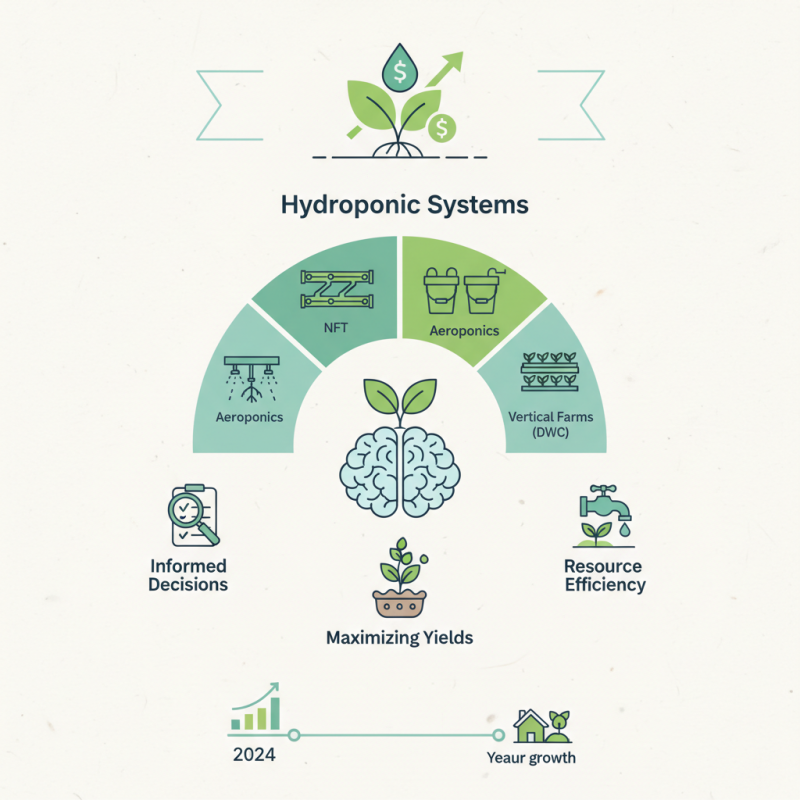
Understanding Hydroponic Systems and Their Benefits
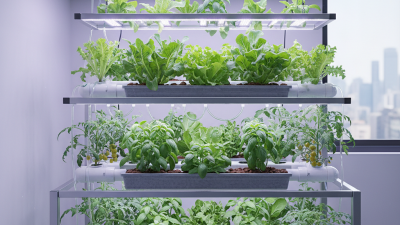
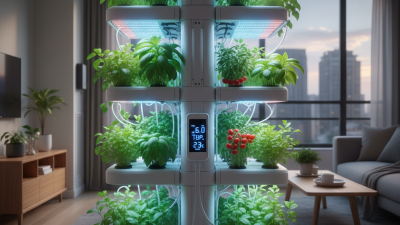
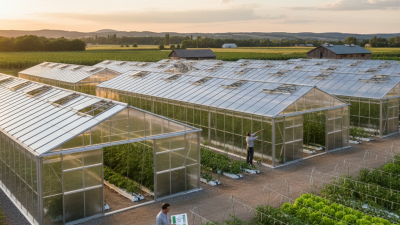
Hydroponic systems have emerged as a revolutionary method for growing plants indoors, leveraging nutrient-rich water instead of soil. This innovative approach not only allows for year-round cultivation but also significantly increases growth rates—studies indicate that hydroponically grown crops can grow up to 30% faster than those in traditional soil environments. The primary benefits include efficient water usage, as hydroponics can use up to 90% less water compared to conventional farming, and the ability to grow in urban settings where land may be limited.
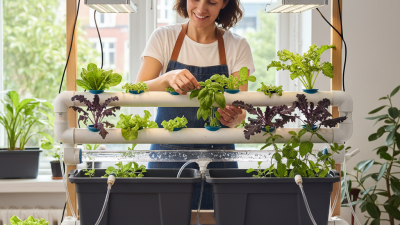
When selecting hydroponic equipment, understanding the various systems available is crucial. For instance, Nutrient Film Technique (NFT), Deep Water Culture (DWC), and Ebb and Flow are among the popular systems that cater to different plant types and grower expertise. Each system has unique requirements—NFT works well for small plants like lettuce, while DWC can support larger fruiting plants.
Tips: Consider your available space and plant variety before choosing a hydroponic system to ensure optimal growth conditions. Additionally, regular monitoring of nutrient levels and pH is essential to maintain a healthy growing environment. Investing in quality equipment, such as pumps and grow lights, can significantly enhance your success, as improper setup often leads to plant stress and reduced yields.
Hydroponic Systems Popularity by Type
This bar chart illustrates the popularity of different hydroponic systems based on user preferences surveyed among indoor gardeners. The data indicates which systems are favored for their efficiency and ease of use.
Key Factors to Consider When Selecting Hydroponic Equipment
When selecting hydroponic equipment for your indoor garden, several key factors should be considered to maximize efficiency and yield. First and foremost, understanding the type of hydroponic system that best suits your space is crucial. Systems like nutrient film technique (NFT), deep water culture (DWC), and aeroponics each have unique requirements and benefits. According to a study by the University of California Cooperative Extension, well-designed systems can double crop yield compared to traditional soil gardening, making the choice of equipment pivotal to success.
Another important consideration is the importance of light. The right lighting is essential for optimal plant growth, particularly in indoor environments. LED grow lights have become increasingly popular due to their energy efficiency and effectiveness in providing the full spectrum of light needed for photosynthesis. Research from the National Renewable Energy Laboratory indicates that using LED lights can reduce energy consumption by up to 50% compared to traditional grow lights, offering both cost savings and healthier plants.
Tips: Always calculate the space available for your indoor garden and select equipment accordingly to prevent overcrowding. Additionally, investing in a quality nutrient delivery system can lead to better plant health and faster growth rates. For ultimate success, regularly monitor and adjust nutrient levels and pH to ensure an optimal growing environment for your plants.
How to Choose the Best Hydroponic Equipment for Your Indoor Garden - Key Factors to Consider When Selecting Hydroponic Equipment
| Equipment Type |
Key Features |
Considerations |
Price Range (USD) |
| Hydroponic Growing System |
Various types (NFT, DWC, Ebb & Flow) |
Space available, type of plants |
$200 - $1,500 |
| Grow Lights |
LED, HPS, MH |
Light spectrum, energy efficiency |
$50 - $400 |
| Nutrients |
Complete nutrient solution, pH adjusters |
Type of plants, growing stage |
$15 - $100 |
| pH Meter |
Digital, probes |
Calibration, ease of use |
$20 - $150 |
| Water Pumps |
Submersible, inline |
Flow rate, power consumption |
$30 - $200 |
Types of Hydroponic Equipment: An Overview
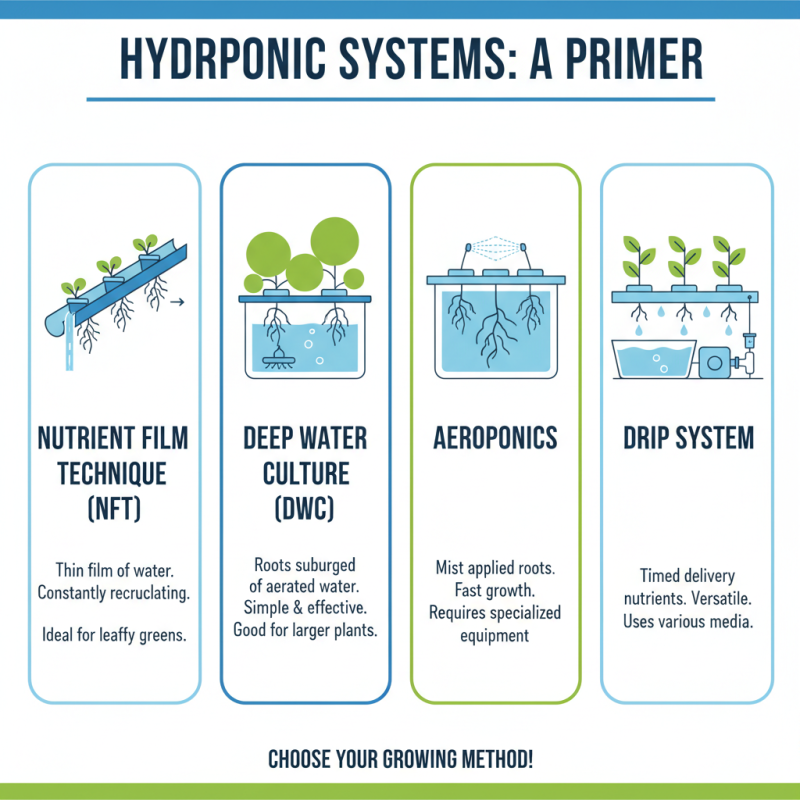
When venturing into the world of hydroponics, understanding the different types of equipment available is crucial for setting up a successful indoor garden. Hydroponic systems can vary significantly, but usually, they fall into a few primary categories: nutrient film technique (NFT), deep water culture (DWC), aeroponics, and drip systems. Each type offers unique advantages and can cater to different types of plants and growing environments.
Nutrient film technique involves a thin film of nutrient-rich water flowing over the plant roots, allowing for optimal oxygenation while providing essential nutrients. Deep water culture, on the other hand, submerges the roots in oxygenated water, which supports rapid growth. Aeroponics suspends plants in air and mists their roots with nutrients, promoting maximum airflow and nutrient absorption. Lastly, drip systems deliver nutrients directly to the plant base, creating a versatile option for various growing setups. Understanding these types of hydroponic equipment will help you choose the best system suited to your gardening goals and available space.
Evaluating Quality and Durability of Hydroponic Components
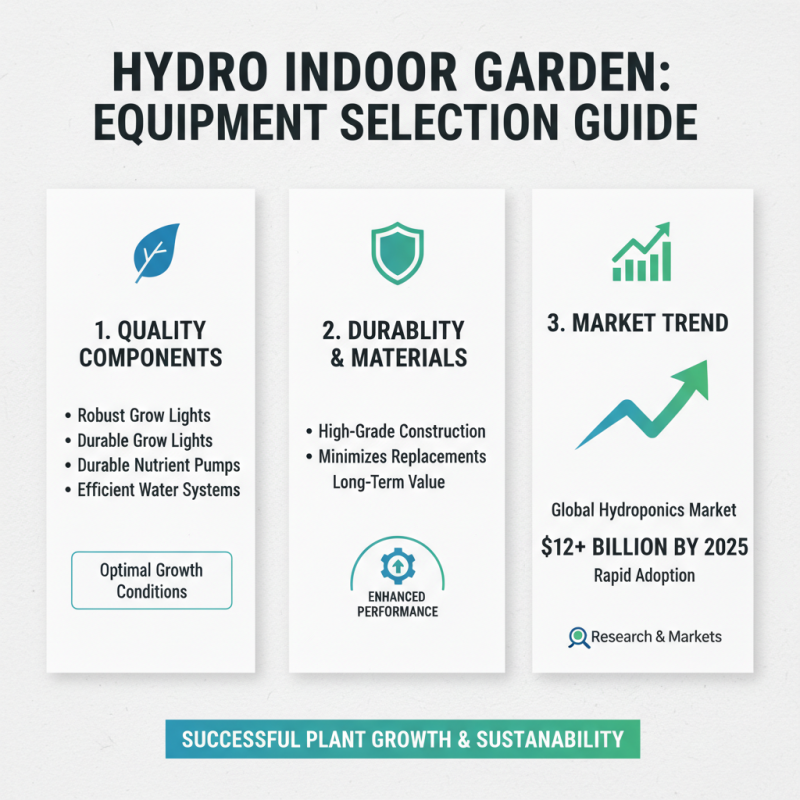
When selecting hydroponic equipment for your indoor garden, evaluating the quality and durability of the components is crucial for successful plant growth and long-term sustainability. According to a report by Research and Markets, the global hydroponics market is projected to reach over $12 billion by 2025, illustrating a rapid adoption of this method among gardeners. Quality components, such as robust grow lights, durable nutrient pumps, and efficient water delivery systems, are essential for maintaining optimal growing conditions. Investing in equipment made from high-grade materials not only enhances performance but also minimizes the need for frequent replacements, providing better value over time.
Durability is another key factor when assessing hydroponic equipment. A study by the Hydroponics Society indicates that systems constructed from corrosion-resistant and UV-stabilized materials can extend the lifespan of the components significantly. Hydroponic systems exposed to consistent moisture and varying nutrient solutions are prone to wear, making the selection of durable materials imperative. High-quality plastics, stainless steel, and reinforced substrates ensure that the components can withstand the rigors of indoor gardening. By prioritizing quality and durability, you create a stable environment for your plants, ultimately leading to higher yields and healthier crops.
Budgeting for Your Hydroponic Garden Setup
When setting up your hydroponic garden, budgeting is a crucial step that can help you avoid overspending while ensuring you have all the necessary equipment.
Begin by assessing the scale of your indoor garden. Are you starting small with a few plants, or do you envision a larger setup? This initial decision greatly influences your budget, as larger systems often require more robust equipment and materials.
Tip: Create a detailed list of essential equipment before diving into purchases. Key components typically include a reservoir, water pump, grow lights, and nutrient solutions. Research average costs for these items to establish a realistic budget.
Don’t forget to allocate funds for additional resources, like pH testing kits and growing media, to ensure your plants thrive.
Another tip is to consider the long-term savings associated with your setup. While it might be tempting to opt for the cheapest available equipment, investing slightly more in quality items can lead to significant savings on replacements and energy costs in the long run.
Look for equipment that offers efficiency and durability, as these features will pay off as your indoor garden develops. Take your time to compare prices and features, and consider buying used or refurbished items to cut costs further without sacrificing quality.