
Plastic bags may look simple, but choosing a supplier is not. Film thickness, seal strength, print quality, and delivery consistency all matter once bags reach a warehouse or shop floor. For global buyers, comparing China’s manufacturers means looking beyond attractive quotations. Ask for product specifications, sample bags, quality-control details, and clear production timelines.
The scale is significant. The OECD’s Global Plastics Outlook reports that plastic packaging accounted for about 40% of global plastic waste in 2019. That figure does not describe bags alone, but it shows why material choices and end-of-life claims deserve careful review. Annie Leonard, environmental advocate and author of The Story of Stuff, put the broader issue plainly: “There is no such thing as ‘away’. When we throw anything away it must go somewhere.” Her words are a useful reminder: buying decisions have consequences beyond the purchase price.
This guide introduces ten Chinese plastic bag manufacturers for international buyers. It considers product range, customization, export experience, and the information companies make available about materials and production. Treat the list as a starting point, not a final audit. Supplier details can change, and a polished website cannot replace independent checks. Request current documents. Test samples under real handling conditions. A bag that looks sturdy under showroom lights may behave differently when packed, stacked, and shipped.
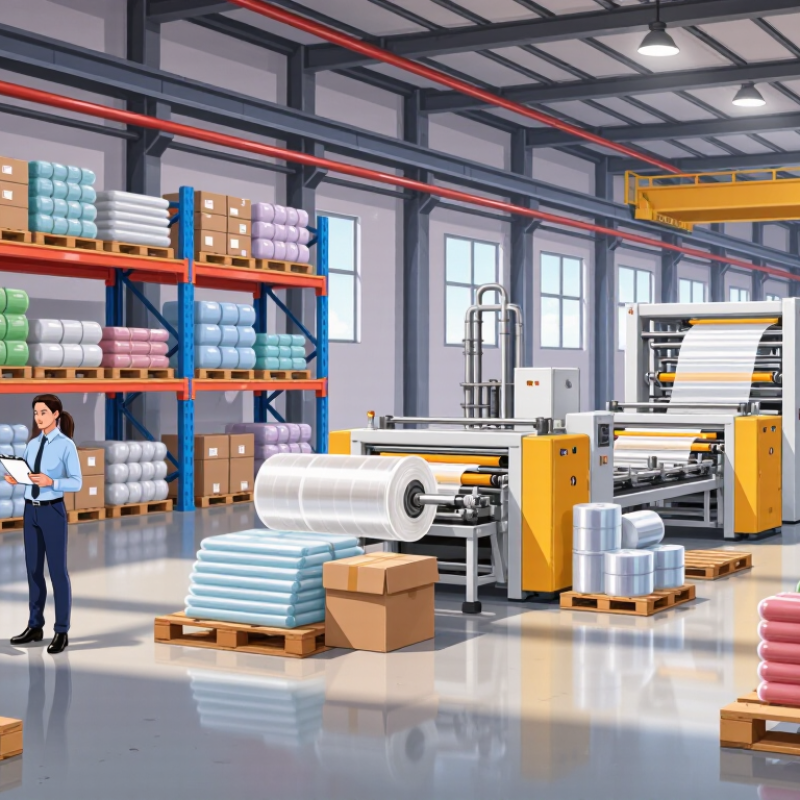
China Top 10 Plastic Bag Manufacturers for Global Buyers
China’s 74.9 Million Tonnes of Plastic Products: Industry Context in 2023
In 2023, China produced about 74.9 million tonnes of plastic products, according to national industrial statistics. This figure covers the wider sector, not plastic bags alone. It includes many manufactured products, so buyers should not treat it as a bag-supply total. Still, it illustrates the scale of the manufacturing ecosystem, from film extrusion and printing to bag converting. A huge number. But national output cannot confirm an individual factory’s available capacity, material consistency, or delivery schedule.
For global buyers comparing manufacturers, the figure is useful context, not a purchasing shortcut. Ask for product-specific monthly capacity, thickness tolerances, and sample test results. Confirm that stated capacity applies to the exact bag style, dimensions, and printing method you need. A factory making shopping bags may use different equipment and quality controls for refuse sacks. Request recent production records, then inspect samples under ordinary handling conditions. A polished sample can still hide batch variation.
Tips: Begin with a clearly specified trial order. Record dimensions, seal strength, load performance, and delivery timing. Keep the test realistic. Small orders may not reveal peak-season delays, so discuss lead times and backup capacity before scaling up.
Plastic bag selection starts with resin, because material affects feel, strength, clarity, and cost. HDPE often feels crisp and suits lightweight shopping or produce bags. LDPE feels softer and stretches more, making it useful for garment packaging and liners. LLDPE can offer added puncture resistance for heavier contents. These are common tendencies, not guarantees. Small details matter.
Structure shapes how a bag carries its load. Flat bags fit documents or flat products, while gussets add room for boxes and bulky items. Bottom seals, side seals, and handle cuts also affect performance. Thickness is usually specified in microns; a higher number often means more material, but resin and bag design matter too. A specification can look tidy on paper and still disappoint if the actual load has sharp corners.
Tips: Match samples to the real product, not just a catalog description. Test the filled bag for stretching, seam stress, and handling. Check dimensions and thickness with the supplier, and confirm how measurements are taken. One overlooked crease can change the result.
Typical film thickness ranges in mil (1 mil = 0.001 inch). Actual specifications vary by bag design, load, and market.
Produce and checkout bags are often made from thin HDPE film; bread bags commonly use LDPE or LLDPE. Retail merchandise bags and can liners often use LDPE or LLDPE, with thicker films selected for heavier loads or greater puncture resistance. These are representative ranges, not universal product standards.
China’s ten leading plastic-bag manufacturers serve buyers with different product needs and order volumes. Common products include flat bags, carrier bags, drawstring bags, and printed retail packaging. Thickness, dimensions, handle design, and sealing strength can vary widely. Ask for samples that match the intended use, not just a general catalog. Small detail, big difference.
Production capacity is not a single, fixed figure. A factory may run several extrusion and bag-making lines, yet available output depends on material, print complexity, and current orders. Request monthly capacity for the specific bag type, plus a realistic lead time for samples and repeat orders. Check whether the supplier controls printing and converting in-house. Outsourced steps can affect timing and consistency.
Export experience may cover markets in Asia, Europe, North America, and other regions, but destination capability should be confirmed directly. Buyers can ask for recent, redacted shipping records and quality documents relevant to their market. Compare minimum order quantities, packaging methods, and defect-handling procedures alongside unit prices. Capacity claims can be hard to compare; even a careful checklist will not reveal every production constraint. A factory visit or independent inspection can help clarify the picture.
This buyer-oriented overview compares ten common plastic-bag product categories made by Chinese converters. It is not a verified ranking of individual manufacturers. Comparable factory-level capacity and customer-market data are not consistently disclosed publicly, so no company-specific figures or export claims are assumed.
| No. | Product category | Typical format and use | Capacity information | Export-market considerations |
|---|---|---|---|---|
| 1 | T-shirt carrier bags | Die-cut or vest-style bags for retail and takeaway use; commonly made from polyethylene film. | Factory output depends on line count, bag dimensions, film thickness, and order mix; verify directly with each supplier. | Check destination-country rules on single-use carrier bags, thickness, labeling, and applicable fees or restrictions. |
| 2 | Flat bags | Open-ended bags for packing, storage, or retail display; available in different sizes and film gauges. | No uniform public capacity benchmark; request production rates for the required dimensions and material. | Confirm material specifications, intended-use requirements, and any applicable packaging or recycling labels. |
| 3 | Garbage and refuse bags | Roll or flat-pack bags, including drawstring and star-sealed formats, for household or commercial waste. | Capacity is supplier- and specification-dependent; compare output using the same size, thickness, and packing format. | Specify dimensions, thickness, load expectations, and any required test methods before comparing quotations. |
| 4 | Drawstring bags | Refuse or storage bags with a cord or draw-tape closure; often supplied on rolls. | Public figures are not standardized across producers; request a line-specific rate and sample approval. | Confirm closure construction, packaging details, and destination-market requirements for the intended use. |
| 5 | Reclosable zipper bags | Flexible bags with a press-to-close profile, used for organization, retail, or packaging. | Output varies with zipper type, size, printing, and converting equipment; obtain a product-specific capacity estimate. | For food contact or other regulated uses, request relevant declarations and test documentation for the target market. |
| 6 | Courier and mailing bags | Protective mailers, often made from polyethylene film, with a self-seal closure; may include opaque or co-extruded film. | Comparable capacity data are generally not available without a defined size, film structure, and printing specification. | Check requested recycled-content claims, labeling rules, and packaging obligations in the destination market. |
| 7 | Produce bags | Lightweight bags for fruit and vegetables; may be supplied on rolls or as loose bags. | Ask for output based on the required bag size, perforation, roll format, and material thickness. | If used with food, confirm applicable food-contact rules and supporting documentation for the importing jurisdiction. |
| 8 | Printed retail bags | Carrier or merchandise bags customized with graphics, colors, handles, or other printed features. | Production speed and minimum order quantities depend on print method, number of colors, and finishing requirements. | Approve artwork and color samples; check local restrictions on bag materials, thickness, and printing inks where relevant. |
| 9 | Compostable bags | Bags marketed for composting, with performance dependent on the material formulation and specified composting conditions. | Capacity is product-specific; verify that the offered material and production process match the requested specification. | Request valid, product-specific certification and confirm that the claim is accepted under the destination market’s rules. |
| 10 | Heavy-duty sacks and liners | Thicker bags or liners for industrial, agricultural, or bulk-packaging applications, made to specified dimensions. | Request a rated production estimate, material specification, and any relevant strength-test results for the exact product. | Confirm intended use, load requirements, packaging classification, and import documentation with the supplier and buyer. |
For a reliable supplier comparison, request documented monthly capacity, actual production lead time, material and thickness specifications, quality-control records, certificates relevant to the product, and verifiable export references for the target market.
For global buyers comparing plastic bag manufacturers in China, certificates should match the exact product and intended use. ISO 18604 addresses packaging recoverable through material recycling; it does not certify that every bag is recyclable everywhere. Ask for the certificate scope, test report, and product specifications. Check that the tested structure matches the bag you will order, including layers, inks, and additives. Small changes matter.
EN 13432 applies to packaging designed for industrial composting and biodegradation under specified test conditions. It does not mean a bag will break down in a home compost bin. Food-contact claims need separate evidence for the intended food type, contact time, and temperature. Request relevant migration-test reports from a competent laboratory, plus traceable batch records. Quality checks should include thickness, dimensions, seal strength, and print rub resistance. OECD reported that 353 million tonnes of plastic waste were generated globally in 2019, and only 9% was ultimately recycled. That makes precise material claims important. A certificate alone is not enough. I would also ask for recent production samples; paperwork can look complete while the film feels inconsistent.
For global buyers comparing plastic bag manufacturers in China, request a written quotation that separates unit price, printing, tooling, and freight. A low unit price can hide setup charges or a narrow specification. Ask suppliers to quote the same bag dimensions, thickness, resin type, and packaging method. Confirm the minimum order quantity for each design and color; custom printing can raise it. Small trial orders may cost more per bag. That is worth checking.
Lead time should distinguish sampling, production, and shipping. Ask when the clock starts: after deposit, artwork approval, or sample sign-off. Get dates for each stage, plus a plan for delays. A factory estimate is not a delivery guarantee. I would allow extra time for first orders, even when the schedule looks comfortable.
Recycling claims need evidence, not just a logo or a verbal assurance. OECD’s Global Plastics Outlook reports that only 9% of plastic waste was recycled globally in 2019. Ask for material composition, recycled-content documentation where applicable, and test reports tied to the quoted product. Check whether local collection systems can process that material; recyclability varies by place and format. UNEP’s 2023 report, Turning off the Tap, finds that system-wide changes could reduce plastic pollution by 80% by 2040. Procurement choices matter, but documentation can still be incomplete. Ask what is verified, and what is only planned.
