How to Build a Small Hydroponic System for Beginners in 2025
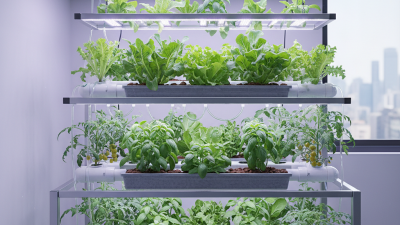
Hydroponics, the art of growing plants without soil, has gained immense popularity in recent years, particularly for those striving to cultivate their own food in limited spaces. A small hydroponic system is an excellent solution for beginners interested in this sustainable gardening method. As experts in the field highlight, such systems can be incredibly rewarding and efficient. Dr. Emily Green, a leading hydroponics researcher, emphasizes, "A small hydroponic system not only fosters creativity in urban gardening but also empowers individuals to take control of their food sources."
In 2025, as more individuals embrace sustainable practices and seek innovative ways to grow their own produce, understanding how to build a small hydroponic system becomes essential. This introduction will guide aspiring gardeners through the basics of hydroponic systems, focusing on the advantages, components, and steps to create a successful setup. Whether you have a spacious backyard or a compact apartment, a small hydroponic system can enable you to nurture fresh herbs and vegetables year-round.
With the right tools and knowledge, starting your hydroponic journey can be both fun and educational. As we delve into the step-by-step process of building your own small hydroponic system, you'll discover how accessible and fulfilling this method of gardening can truly be.
What is Hydroponics and Its Benefits for Small Scale Gardening
Hydroponics is an innovative method of growing plants without soil, utilizing nutrient-rich water instead. This technique has gained traction among small-scale gardeners due to its numerous benefits, including efficient water use, faster growth rates, and the ability to grow plants in urban settings. According to a report by the USDA, hydroponic systems can increase crop yields by up to 30% compared to traditional soil methods. Additionally, hydroponics minimizes the risk of soil-borne pests and diseases, allowing for healthier plants and less reliance on chemical pesticides.
For beginners looking to embrace hydroponics, it's essential to understand some key advantages. Firstly, hydroponics can use up to 90% less water than conventional gardening, as the closed-loop system recirculates water. Secondly, this method enables year-round gardening, giving you the flexibility to grow a variety of crops regardless of seasonal changes. Moreover, hydroponics is conducive to space optimization, making it an ideal solution for urban dwellers with limited gardening space.
**Tip:** Start small by creating a simple hydroponic setup using containers and a nutrient solution. This hands-on approach allows you to familiarize yourself with the system without a large investment.
**Tip:** Regularly monitor the pH levels of your nutrient solution, as maintaining the right pH (between 5.5 and 6.5) is crucial for nutrient absorption and overall plant health.
How to Build a Small Hydroponic System for Beginners in 2025
| Component |
Description |
Estimated Cost ($) |
Maintenance Frequency |
| Growing Container |
Holds the hydroponic nutrient solution and plants |
15 |
Weekly |
| Pump |
Circulates nutrient solution to roots |
30 |
As needed |
| Nutrient Solution |
Water mixed with essential nutrients |
25 |
Monthly |
| Grow Lights |
Provides artificial light for plants |
50 |
Daily |
| pH Meter |
Measures acidity of nutrient solution |
20 |
Weekly |
Essential Components of a Small Hydroponic System for Beginners
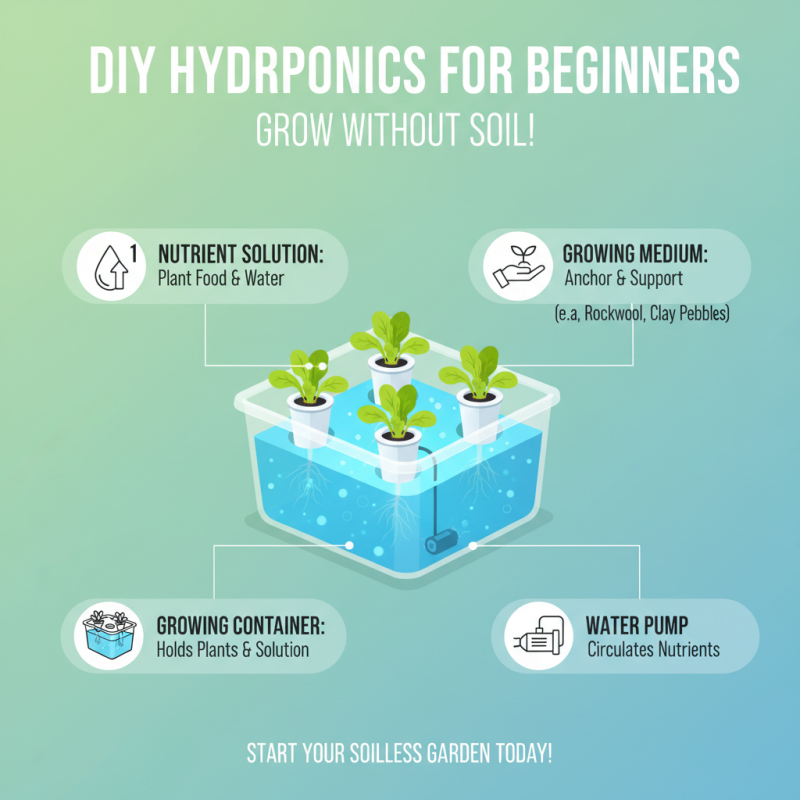
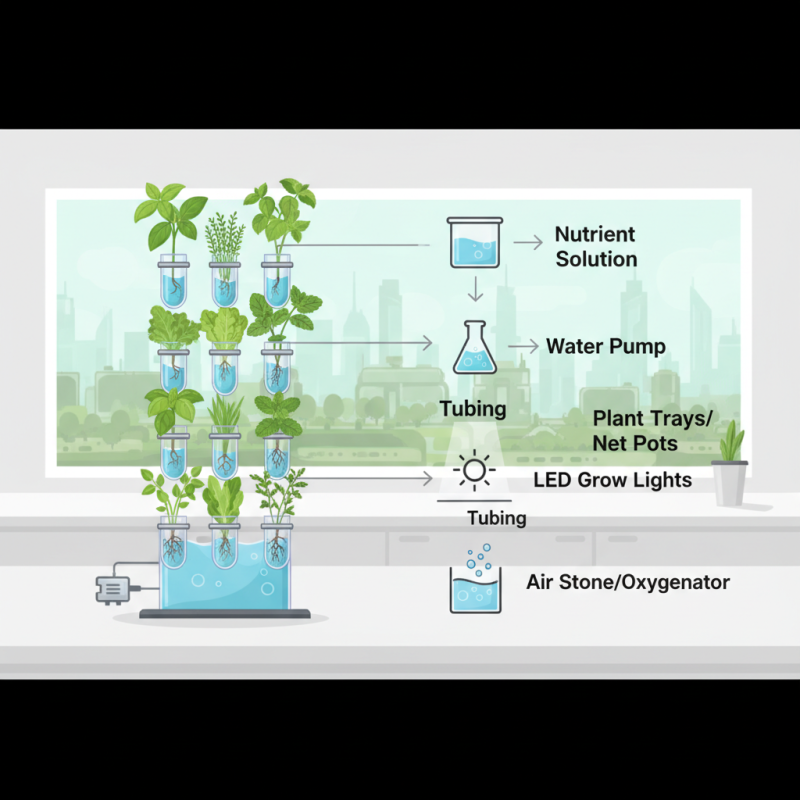
Building a small hydroponic system offers an excellent way for beginners to explore gardening without the limitations of soil. The essential components of such a system include a growing container, a nutrient solution, growing medium, and a water pump. The growing container can be as simple as a plastic bin or a reservoir that can hold the nutrient solution while supporting your plants. It's important that this container has holes or supports for plants to thrive while remaining partially submerged in the nutrient solution.
Next, the nutrient solution is crucial, as it provides the necessary minerals and nutrients for plant growth. Beginners should opt for balanced nutrient solutions designed for hydroponics, ensuring the right pH levels for optimal absorption. The growing medium, although optional, can help anchor plant roots. Common choices include rock wool, clay pellets, or coconut coir, each providing different benefits in terms of aeration and moisture retention. Finally, incorporating a water pump will facilitate the circulation of the nutrient solution, ensuring that all plants receive consistent nourishment. These essential components collectively create a simple yet effective hydroponic system for newcomers eager to enjoy the benefits of soil-free gardening.
Step-by-Step Guide to Setting Up Your Hydroponic System
Building a hydroponic system can be an exciting venture for beginners, especially in 2025, when sustainable practices are more important than ever. To start, you will need a few basic components: a reservoir to hold the nutrient solution, a growing tray for your plants, a pump to circulate the solution, and growing media such as clay pellets or rock wool. First, determine the space you have available, as this will dictate the size of your system. Choosing the right location with ample light exposure will ensure that your plants thrive.
Tips: When selecting your nutrient solution, consider opting for a balanced formula specifically designed for hydroponics. This will provide your plants with all necessary macro and micronutrients. Additionally, keep an eye on the pH levels, as maintaining a range of 5.5 to 6.5 is crucial for optimal nutrient absorption.
Next, assemble your system. Begin by positioning the reservoir at a lower level than the growing tray, allowing gravity to assist in drainage. Connect a pump from the reservoir to the growing tray and ensure proper tubing is in place for drainage back into the reservoir. Fill your growing tray with the chosen media and then transplant your seedlings.
Tips: Regularly check the water levels and top up the reservoir as needed. Monitor your plants for signs of stress or nutrient deficiency, adjusting the nutrient solution as required. With patience and care, your hydroponic system will yield fresh produce in no time.
Hydroponic System Nutrient Solution Levels
This chart represents the optimal nutrient solution levels in a small hydroponic system for various stages of plant growth. Understanding these levels can help beginners effectively manage their hydroponic setup.
Choosing the Right Plants for Your Hydroponic Garden
Choosing the right plants for your hydroponic garden is essential for a successful growing experience, especially for beginners. When starting out, it's advisable to select plants that are known for their resilience and adaptability to hydroponic systems.
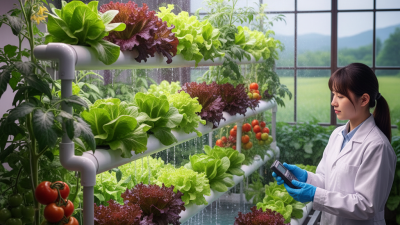
Leafy greens are often the best choice; varieties such as lettuce, spinach, and kale thrive in these environments, requiring minimal maintenance and offering a quick harvest cycle. These plants typically have shorter growing times, allowing novice gardeners to experience the satisfaction of successful cultivation sooner.
In addition to leafy greens, herbs such as basil, cilantro, and mint can also perform exceptionally well in hydroponic setups. These herbs not only enhance the flavors of your meals but are also relatively easy to grow and require a shorter period before harvest. For those looking to diversify their hydroponic garden, strawberries and tomatoes can be excellent options, although they may require a bit more attention to ensure they thrive. By starting with these easy-to-grow plants, beginners can build their confidence and develop their skills before experimenting with more challenging varieties.
Maintaining and Troubleshooting Your Hydroponic System
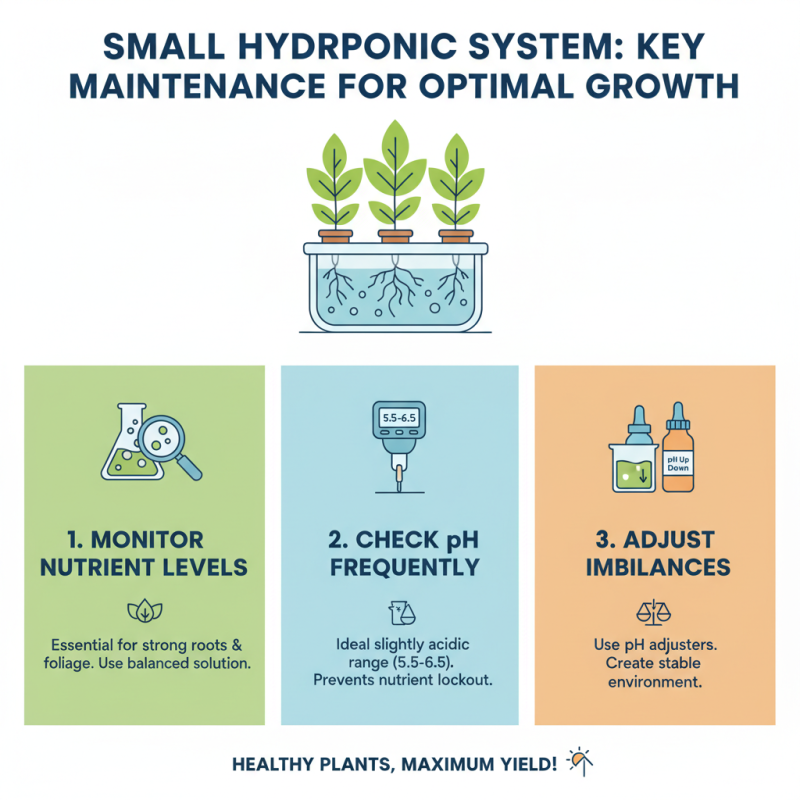
Maintaining a small hydroponic system is crucial for ensuring healthy plant growth and maximizing yield. Regular monitoring of nutrient levels is essential; a well-balanced nutrient solution promotes strong root development and vibrant foliage. It’s advisable to check the pH level frequently, as plants thrive best in a slightly acidic environment (around 5.5 to 6.5). If you notice any fluctuations or imbalances, adjust the pH using appropriate solutions to create an optimal growing condition.
Troubleshooting common issues in hydroponic systems can help save your plants from stress or failure. If you see yellowing leaves, it could indicate nutrient deficiencies, particularly nitrogen or iron. In such cases, review your nutrient solution and consider adjusting its concentration. Additionally, observe water levels and ensure adequate aeration; stagnant water can lead to root rot. Regularly cleaning the system and replacing the nutrient solution will help prevent algae buildup and disease, keeping your hydroponic garden thriving. By staying vigilant and proactive, you can enjoy a flourishing hydroponic system with minimal disruption.