How to Build an Efficient Aeroponic System for Your Indoor Garden?

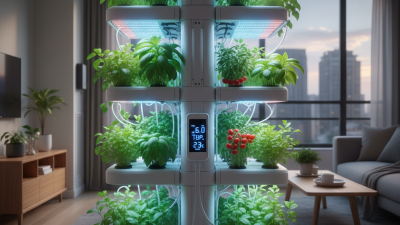
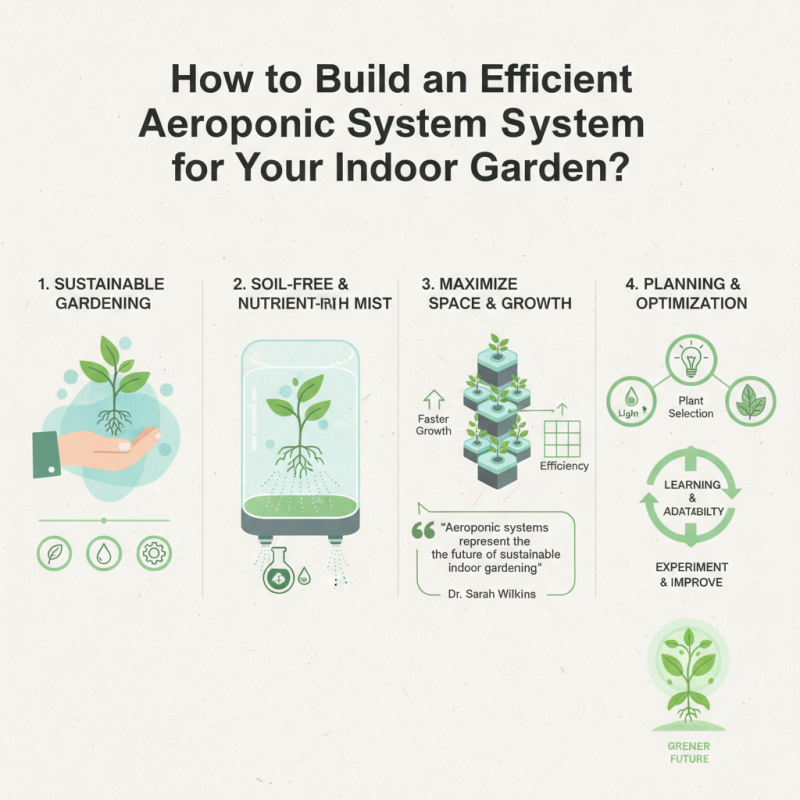
The rising interest in sustainable gardening solutions has led to the popularity of aeroponic systems. These systems offer an innovative way to grow plants without soil, using nutrient-rich mist instead. As Dr. Sarah Wilkins, a leading expert in hydroponics, states, "Aeroponic systems represent the future of sustainable indoor gardening." This method not only maximizes space but also ensures faster plant growth.

Setting up an efficient aeroponic system requires careful planning and implementation. It’s essential to consider factors such as light, nutrient delivery, and plant selection. Each decision impacts the overall efficiency and yield of the garden. Some may find it challenging to maintain optimal conditions, leading to potential setbacks.

However, these hurdles are often part of the learning process. Experimenting with different configurations can yield surprising results. Adaptability is crucial. As you dive into creating your aeroponic system, expect to encounter imperfections. Embrace them as opportunities to reflect and improve your gardening skills. This transformative experience not only enhances your knowledge but also contributes to a greener future.
How to Build an Efficient Aeroponic System for Your Indoor Garden?

Understanding Aeroponics: Principles and Benefits for Indoor Gardens
How to Build an Efficient Aeroponic System for Your Indoor Garden?

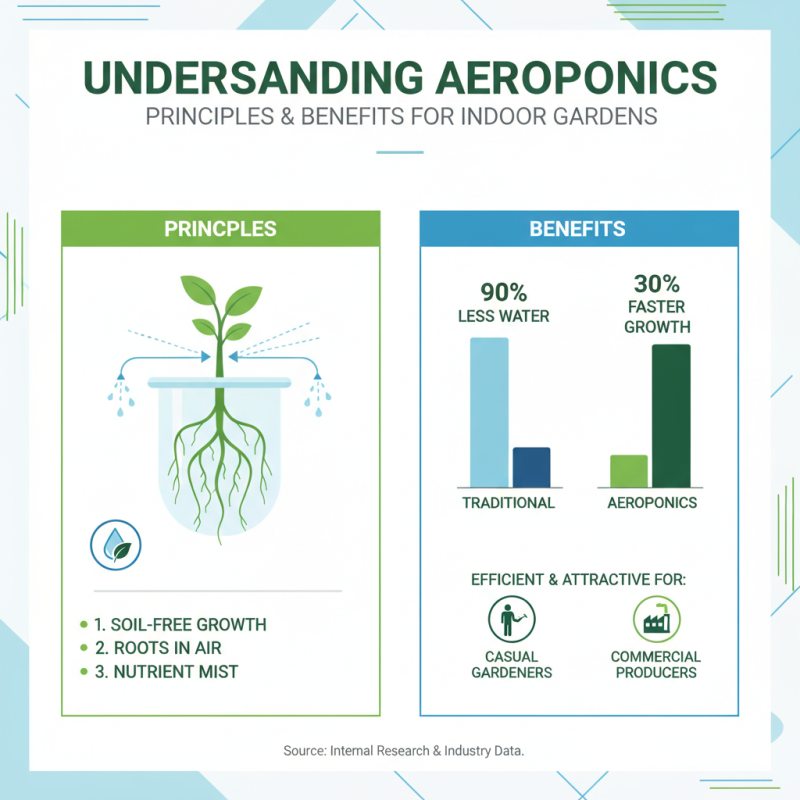
Aeroponics is a soil-free growing method. It allows plant roots to hover in air. Nutrient-rich mist is sprayed directly on the roots. This method uses 90% less water than traditional farming. Research shows that aeroponic systems yield crops 30% faster. This efficiency attracts both casual gardeners and commercial producers.

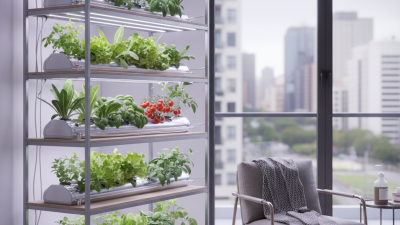
One significant benefit is its space efficiency. Indoor gardens can thrive in small areas. Vertical aeroponic systems maximize space usage. Reports indicate that up to 30% more plants can be grown in the same footprint as traditional gardening. This is particularly useful for urban setups where land is minimal.

However, aeroponics isn’t without challenges. It requires constant monitoring of nutrient levels and pH balance. Power outages can damage the system, leading to crop loss. Some growers report learning curves associated with fine-tuning spray intervals. It’s essential to be aware of these potential issues when starting your indoor garden.
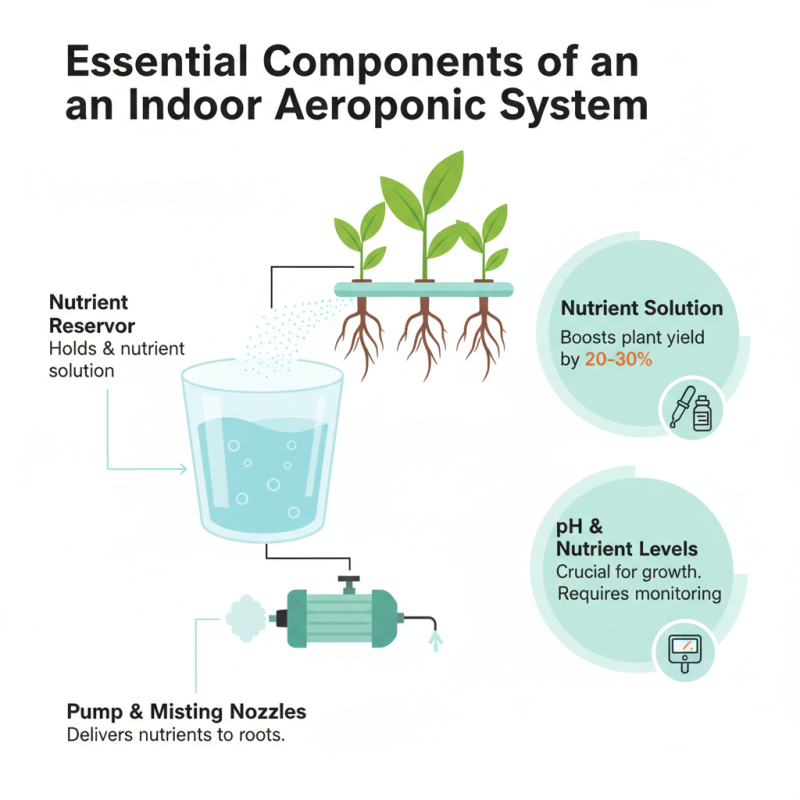
Essential Components of an Indoor Aeroponic System

How to Build an Efficient Aeroponic System for Your Indoor Garden?

When creating an indoor aeroponic system, grasping its essential components is crucial. The heart of this system is the nutrient reservoir. This container holds the water and nutrient solution, ensuring plants receive the right balance for growth. Research shows that nutrient solutions can improve plant yield by 20-30% compared to traditional methods. However, maintaining the right pH and nutrient levels remains a challenge for many growers.

Next, a reliable spray system is vital. This system delivers the nutrient solution directly to the plant roots. Using high-pressure misting can increase oxygen exposure to roots, enhancing growth. A study indicated that plants in aeroponic systems can grow two times faster than those in soil. Yet, inconsistent spray patterns can lead to uneven growth or root rot. This is a common pitfall that needs consideration.

Lastly, adequate lighting is essential for optimal photosynthesis. Grow lights should mimic natural sunlight, providing the right spectrum for plant health. While many growers use LED lights, understanding wattage and light duration can be tricky. According to industry data, the right lighting can lead to a 25% increase in growth efficiency. Failing to adjust these factors can hinder plant development, leading to underwhelming results despite a solid design.

Step-by-Step Guide to Setting Up Your Aeroponic System

Creating an aeroponic system for your indoor garden can be rewarding. Start by gathering essential materials. You'll need a sturdy container, a pump, and some growing mediums. The pump is crucial for circulating nutrients and oxygen effectively. Proper airflow is key to plant health.

Once you have your materials, focus on assembling the system. Drill holes in the container for your plants. Place them securely, ensuring they receive adequate light. Test the pump to check water flow. It’s common to encounter leaks or uneven water distribution at this stage, so adjust as needed.

Next, mix a balanced nutrient solution. Monitor pH levels to avoid plant stress. Begin planting your seeds or seedlings, watching over their development. Changes may be necessary as you observe growth patterns. Document your process. Reflect on what works and what doesn’t. This evaluation will help refine your aeroponic setup over time.

Growth Rates of Different Plants in an Aeroponic System

Maintenance and Troubleshooting for Optimal Aeroponic Growth

Maintaining an aeroponic system can be tricky. Regular monitoring of nutrient levels is essential. Aim for a balanced pH between 5.5 and 6.5. If you notice yellowing leaves, it could be a sign of nutrient deficiency. Adjust the solution promptly. Additionally, check the water temperature. Ideally, it should be between 65°F and 75°F. If water gets too cold or hot, plant growth could suffer.

Troubleshooting becomes vital when problems arise. If your system shows signs of algae growth, it may be time for a thorough cleaning. Use a mild vinegar solution to scrub the parts. Be aware that a dirty system can block the misting nozzles, leading to uneven watering. Regularly replacing the water can help to prevent this issue. Observe your plants closely for any signs of stress. Sometimes, less is more; avoid over-fertilizing.

Understanding your environment also matters. High humidity can lead to fungal issues. Keep ventilation steady to control moisture levels. If you spot mold, act fast to remove affected plants and improve air circulation. Learning from these challenges will enhance your skill. Embrace the bumps in the road; they are part of the growing process.

Best Plants to Grow in an Aeroponic Indoor Garden

When establishing an aeroponic indoor garden, selecting the right plants is crucial for success. Leafy greens such as lettuce, spinach, and kale thrive in aeroponic systems. These plants are known for their rapid growth rates and nutrient efficiency. According to a study from the University of Florida, plants in aeroponic systems can grow up to 30% faster than in traditional soil methods. Additionally, these greens benefit from the oxygen-rich environment that aeroponics provides.

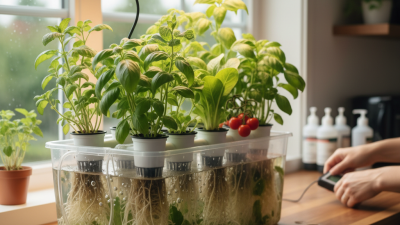
Herbs also excel in aeroponic setups. Basil, mint, and cilantro are popular choices for indoor gardens. Their compact size and high market value make them ideal for home growers. Research published in the Journal of Agricultural Science indicates that aeroponically grown herbs retain more nutrients and flavor compared to those grown in soil. However, the challenge remains in maintaining optimal humidity and nutrient levels. Frequent monitoring is essential to prevent problems like root rot or nutrient deficiency.

Fruit-bearing plants like strawberries can be grown in aeroponic systems as well. They provide a rewarding challenge for indoor gardeners. The advantages include quicker fruit production and fewer pests. However, achieving consistent yield requires careful attention to pollination and nutrient supply. Many growers may find that smaller yields occur if these factors are not well managed, providing room for reflection and improvement in their gardening practices.

How to Build an Efficient Aeroponic System for Your Indoor Garden? - Best Plants to Grow in an Aeroponic Indoor Garden

Plant Name Growth Cycle (Days) Ideal pH Level Nutrient Requirements Yield per Plant (g)
Lettuce 30 6.0 - 7.0 High nitrogen 200
Basil 35 6.0 - 6.5 Balanced nutrient 150
Mint 40 6.0 - 7.0 Rich in potassium 100
Strawberries 60 5.5 - 6.5 High phosphorus 250
Peppers 70 6.0 - 6.8 Balanced nutrient 180