How to Build a DIY Hydroponic System at Home for Beginners
The rise of urban gardening and the need for sustainable food production have led many individuals to explore innovative agricultural techniques. Among these, the DIY hydroponic system has emerged as a popular solution for beginners looking to cultivate plants at home without the constraints of traditional soil gardening. According to a report by MarketsandMarkets, the hydroponics market is projected to reach USD 16.0 billion by 2025, indicating a growing interest in soilless cultivation methods. This trend not only reflects a shift towards sustainable practices but also highlights the advantages of hydroponic systems, including greater control over nutrient management and space efficiency.
Building a DIY hydroponic system can empower individuals to grow fresh produce year-round, regardless of limited outdoor space. Research from the USDA suggests that hydroponically grown crops can yield significantly more than their soil-grown counterparts, providing a solution for food scarcity in urban areas. As more people seek self-sufficiency and fresh food options, mastering the art of DIY hydroponics becomes not just a hobby, but a transformative experience that aligns with modern sustainability goals. In this guide, we will walk you through the essential steps to create your own effective and efficient DIY hydroponic system at home.
Understanding Hydroponics: Basics and Benefits for Beginners
Hydroponics, a method of growing plants without soil, leverages nutrient-rich water solutions to deliver all necessary minerals directly to plant roots. This innovative system not only saves space but also uses significantly less water compared to traditional soil gardening, making it an environmentally friendly option. For beginners, understanding the basics of hydroponics is crucial. Various growing methods, such as deep water cultures or nutrient film techniques, allow flexibility in setup and plant choice. Each method has its own advantages, ensuring that newcomers can find a suitable system that fits their needs and space availability.
The benefits of hydroponics extend beyond conservation and efficiency. This method allows for faster growth and higher yields, as plants thrive in a controlled environment where factors like light, temperature, and nutrient levels can be optimized. Additionally, hydroponics minimizes pests and diseases commonly associated with soil gardening, reducing the need for harmful pesticides. For beginners, starting a DIY hydroponic system can be a rewarding venture, offering both a sustainable way to produce fresh food and an engaging introduction to modern gardening techniques. As they experiment and learn, individuals can enjoy the satisfaction of cultivating plants while contributing to a more sustainable lifestyle.
How to Build a DIY Hydroponic System at Home for Beginners - Understanding Hydroponics: Basics and Benefits for Beginners
| Aspect |
Description |
Benefits |
| Nutrient Solution |
A mix of water and essential nutrients required for plant growth. |
Promotes faster growth and higher yields compared to soil planting. |
| Growing Medium |
A material like coconut coir or rock wool that supports plant roots without soil. |
Improves aeration and reduces the risk of soil-borne diseases. |
| Lighting |
Artificial lights designed to mimic sunlight, essential for photosynthesis. |
Enables year-round plant growth regardless of outdoor conditions. |
| Watering System |
Systems like drip irrigation or deep water culture to deliver nutrients directly to roots. |
Conserves water and ensures uniform nutrient delivery to all plants. |
| pH Monitoring |
Regular checks to maintain an optimal pH level for nutrient absorption. |
Ensures plants can absorb nutrients effectively, promoting healthy growth. |
Essential Materials for Building a DIY Hydroponic System
Building a DIY hydroponic system at home is an exciting and rewarding project, especially for beginners interested in growing their plants without traditional soil. To start this venture, it's essential to gather the right materials. The cornerstone of any hydroponic system is a growing medium that provides stability and support for the plants' roots. Common materials include clay pellets, rock wool, or coconut coir, each offering unique benefits for moisture retention and aeration.
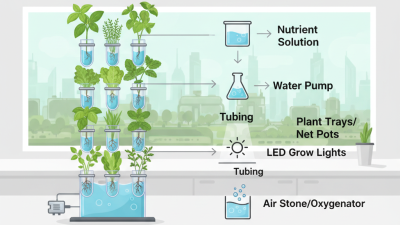
Next, you will need a container to hold your plants and nutrient solution. This can range from simple plastic bins to custom-made systems depending on the scale of your project. Additionally, a reservoir is crucial for storing the nutrient-rich water that will nourish your plants. You might also want to include a water pump to ensure consistent circulation and oxygenation of the solution. Aeration stones can enhance oxygen levels in the water, promoting healthy root growth. Lastly, don’t forget essential tools like pH testing kits and nutrient solutions to maintain a suitable environment for your plants to thrive.
Step-by-Step Guide to Assembling Your Hydroponic Setup
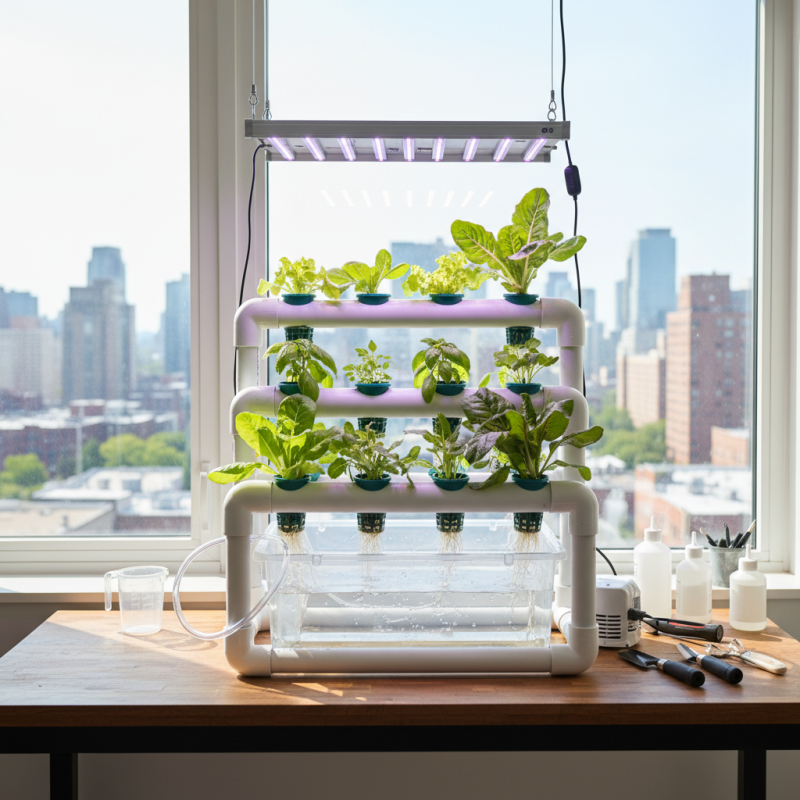
Creating your own hydroponic system at home can be an exciting and rewarding project, especially for beginners looking to grow their own herbs and vegetables. This step-by-step guide will help you assemble a simple hydroponic setup effectively. Start by gathering essential materials, such as plastic containers for the growing medium, a water reservoir, a submersible pump for nutrient delivery, and an air pump to oxygenate the water.
Begin your assembly by selecting a suitable location where your plants will receive adequate light. Set up your water reservoir and ensure it is clean. Next, cut holes in the top of your containers to accommodate net pots, which will hold your growing medium and seedlings. Fill the net pots with a suitable medium like clay pellets or rock wool, and securely place them in the holes. Once your plants are positioned, connect the submersible pump to a timer to control the nutrient solution flow, ensuring that the roots receive consistent hydration and nourishment.
Finally, install your air pump with an air stone in the water reservoir to enhance oxygenation, promoting healthier root growth. Keep the nutrient solution balanced and check the pH regularly for optimal plant health. With all components in place and regularly maintained, you’ll soon be on your way to enjoying the benefits of an efficient hydroponic garden right in your home.
Choosing the Right Nutrients for Hydroponic Gardening
Choosing the right nutrients for hydroponic gardening is crucial for ensuring optimal plant growth and yield. Hydroponics, as a soil-less growing method, relies heavily on the careful selection of nutrient solutions to provide plants with the essential elements they need. According to the American Society for Horticultural Science, an effective nutrient solution typically contains macronutrients such as nitrogen, phosphorus, and potassium, as well as micronutrients like iron, manganese, and zinc. These elements facilitate critical processes including photosynthesis, root development, and overall plant health.
In hydroponics, the nutrient concentration must be balanced to avoid deficiencies or toxicities that can impair growth. Research published in the International Journal of Plant Production indicates that nearly 50% of hydroponic growers experience nutrient-related issues, highlighting the importance of selecting the appropriate nutrient mix. A common recommendation is to use a complete nutrient solution that has a balanced N-P-K ratio tailored to the specific plants being cultivated. For instance, leafy greens generally thrive with a higher nitrogen concentration, while fruiting plants benefit from elevated levels of phosphorus and potassium during their flowering stages. Regular monitoring and adjustment of nutrient levels, facilitated by tools like EC (electrical conductivity) meters, can help optimize plant health and productivity in a DIY hydroponic system.
Nutrients for Hydroponic Gardening
Maintaining Your Hydroponic System for Optimal Growth
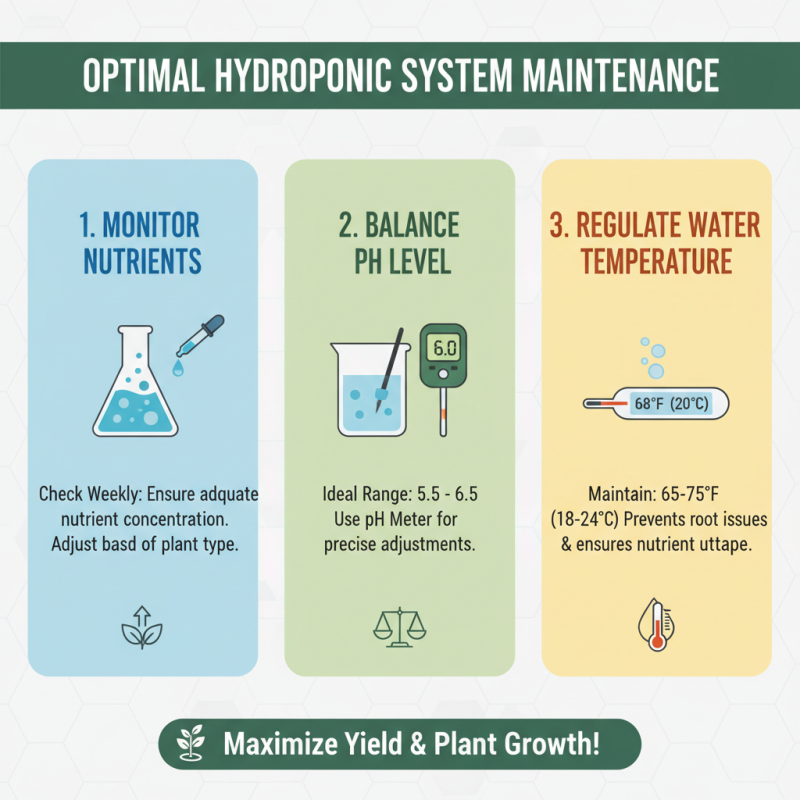
Maintaining your hydroponic system is crucial for ensuring optimal plant growth and maximizing your yield. Regular monitoring of essential factors such as nutrient levels, pH balance, and water temperature is vital. Aim to check the nutrient solution weekly, adjusting as needed based on the specific requirements of your plants. The ideal pH range is typically between 5.5 and 6.5, as this allows for the best nutrient absorption. Utilizing a pH meter will help in making precise adjustments to maintain this balance.
Furthermore, clean your system regularly to prevent the buildup of algae and pathogens that can hinder plant growth. This involves flushing out the nutrient solution and rinsing your reservoir and equipment. Regularly inspecting the plants for any signs of pests or diseases can also prevent problems before they escalate. By maintaining a clean environment and monitoring the key components of your hydroponic setup, you’ll create the ideal conditions for your plants to thrive and boost your overall success in hydroponic gardening.