Best Shade Cloth for Greenhouse Use What to Know?
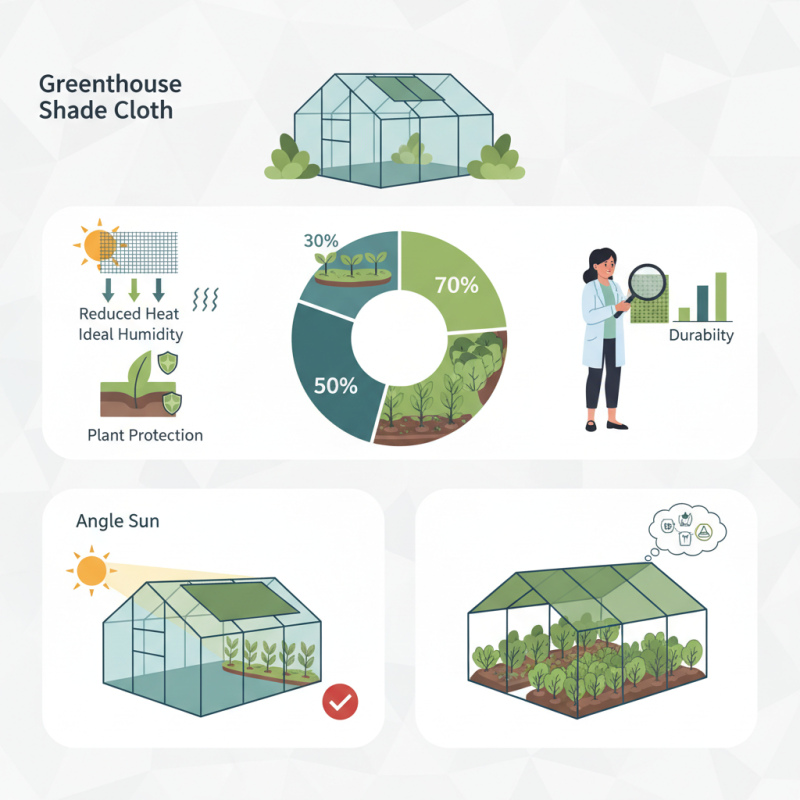
When it comes to optimizing growth in a greenhouse, selecting the right shade cloth for greenhouse use is crucial. Renowned horticulturist Dr. Emily Stevens emphasizes, "A well-chosen shade cloth can enhance plant health and growth." The importance of shade cloth cannot be overstated. It protects plants from harsh sunlight, reduces heat buildup, and helps maintain ideal humidity levels.
Different plants have varying light requirements. Therefore, choosing the right shade cloth for greenhouse settings is essential. For example, delicate seedlings may thrive under 30% shade, while sun-loving plants might benefit from around 50%. It’s not as straightforward as it seems. Sometimes, growers overlook the quality and durability of the fabric, only focusing on color and percentage.
Moreover, the positioning of shade cloth can greatly impact effectiveness. Many make the mistake of not considering the angle of the sun. In some cases, a poorly placed shade cloth can lead to uneven light distribution, causing some plants to suffer while others flourish. These details matter, and growers must reflect on their choices. Understanding the nuances will lead to healthier plants and more productive greenhouses.
Types of Shade Cloth Suitable for Greenhouse Applications
When selecting shade cloth for greenhouse use, understanding the different types available is essential. Shade cloth can be made from various materials, including polyethylene and polypropylene. Each material has unique properties that affect durability and UV resistance. According to industry reports, using a 50% shade cloth can significantly reduce the heat within the greenhouse while allowing enough light for plant growth.
There are several types of shade cloth suitable for greenhouse applications. For instance, woven shade cloth provides excellent ventilation, reducing humidity buildup. Conversely, knitted shade cloth is known for its durability and can withstand strong winds. A study by the American Society for Horticultural Science highlighted that proper shade can improve crop yield by up to 30%. This underscores the importance of choosing the right shade cloth for specific crops and conditions.
Tips: Always measure your greenhouse before purchasing shade cloth. Ensure you buy slightly larger pieces to account for installation needs. Check for UV stabilization features to enhance longevity. Even top-quality shade cloth may require replacement after a few seasons. Regular inspection can help identify wear and tear early.
Best Shade Cloth Types for Greenhouse Use
Factors to Consider When Choosing Shade Cloth for Greenhouses
Choosing the right shade cloth for your greenhouse involves various factors that can significantly impact plant health.
Light transmission is crucial. Different plants require different light levels. A shade cloth that blocks too much sunlight can stunt growth.
Aim for 30% to 50% shade for most plants. Consider the climate, too. In hotter regions, higher shade percentages are beneficial.
Durability matters when selecting material. Look for fabric that withstands UV rays and harsh weather.
Tear-resistant options last longer. Evaluate the mesh size as well.
Larger holes allow more air circulation but less heat retention. Smaller holes offer better protection but can restrict airflow. Performance varies widely based on conditions.
Installation ease is another aspect. Some cloths come with grommets for secure fitting. Others may require additional hardware.
Reflect on your specific needs. Not every choice works perfectly for every situation.
Try different options to find what suits your greenhouse best. The process can be a learning experience filled with unexpected outcomes.
How to Measure and Install Shade Cloth in Your Greenhouse
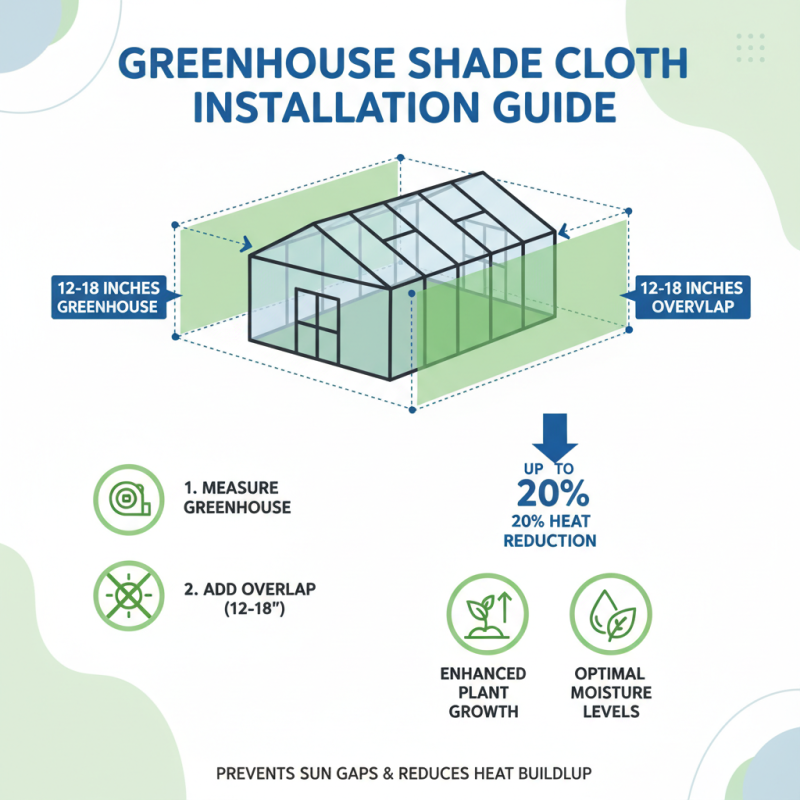
When installing shade cloth in your greenhouse, measurement is crucial. Start by determining the dimensions of your greenhouse. For optimal coverage, the cloth should extend beyond the greenhouse structure, ideally by 12 to 18 inches on all sides. This prevents sunlight from seeping through gaps. According to industry data, proper installation can reduce heat buildup by up to 20%. Such cooling effects enhance plant growth and maintain the right moisture levels.
When it comes to installation, you need tools that ensure a tight fit. Heavy-duty clips or grommets offer secure attachment points. Using bungee cords may facilitate adjustments during different seasons. Some experts recommend keeping it taut. Loose cloth can flap in the wind, which may damage both the cloth and the greenhouse structure.
Regular maintenance is also vital. Inspect the cloth for tears or fading. Significant wear reduces its effectiveness. Studies have shown that shade cloth effectiveness can drop by 15% with just a few weeks of exposure. So, being vigilant about the condition of your shade cloth is essential. Missing these details could lead to increased temperatures, which might hinder plant health.
Benefits of Using Shade Cloth in Greenhouse Environments
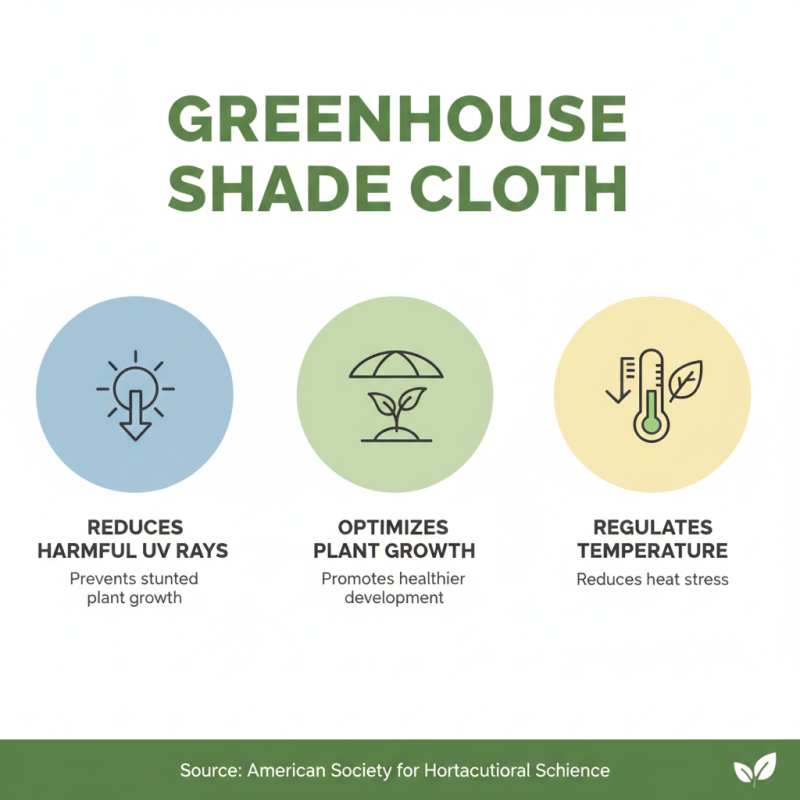
Shade cloth is crucial for greenhouse environments. It offers several benefits that help optimize plant growth. Notably, it reduces harmful UV rays. Research from the American Society for Horticultural Science shows that UV radiation can stunt plant development. Using shade cloth can mitigate this issue effectively.
Another advantage is temperature regulation. Greenhouses can heat up quickly, stressing plants. In fact, data indicates that shaded areas can be 5-10 degrees cooler than unshaded ones. This temperature control is vital for sensitive crops. A stable environment helps prevent wilting and damage, leading to healthier plants.
Moreover, shade cloth aids in moisture retention. Plants in shaded areas often require less frequent watering. This is particularly important in arid regions where water is scarce. However, it’s also essential to choose the right shade percentage. Too much shade can hinder photosynthesis. Striking a balance is key. Understanding your plants' needs is critical in making these choices.
Care and Maintenance Tips for Your Greenhouse Shade Cloth
Proper care and maintenance of your greenhouse shade cloth is crucial. Regularly check for tears or fraying. Even small holes can lead to huge problems. Repair them promptly to avoid larger damage. Use a simple sewing kit or patching tape for quick fixes. Over time, the fabric may accumulate dirt, dust, and debris. This can block sunlight and reduce effectiveness. A gentle wash can rejuvenate your shade cloth.
Consider the placement of your shade cloth as seasons change. In summer, it may need to be adjusted lower to reduce intense sunlight. In colder months, adjusting it higher can allow more light in. Make sure to secure the edges properly. Wind can be a sneaky foe, lifting the cloth and causing wear. Monitor its condition frequently. Ignoring wear and tear is a common mistake.
Lastly, think about how you store the shade cloth when not in use. Avoid damp places, as moisture can lead to mold and decay. Fold it neatly to prevent creases, which can weaken the material. Mistakes are part of the process. Learning from them can improve your greenhouse’s health. Keep these tips in mind for a thriving growing environment.
Best Shade Cloth for Greenhouse Use - Care and Maintenance Tips for Your Greenhouse Shade Cloth
| Shade Cloth Type |
Shade Percentage |
Material |
Durability |
Maintenance Tips |
| Polyethylene |
30% - 50% |
Plastic |
Moderate |
Rinse with water, inspect for tears |
| Shade Cloth Mesh |
50% - 70% |
Fabric |
High |
Check stitching regularly, wash gently |
| Knitted Shade Cloth |
60% - 80% |
Polypropylene |
Very High |
Store dry, avoid heavy loads on fabric |
| Aluminet |
30% - 85% |
Reflective |
Excellent |
Brush off debris, secure to prevent flapping |