Best Sewer Jetting Machine for Efficient Drain Cleaning?
In the world of plumbing, the importance of a reliable Sewer Jetting Machine cannot be overstated. According to expert John McMillan, a renowned figure in the drain cleaning industry, "A high-quality sewer jetter can save time and money on extensive repairs." This statement highlights the significance of selecting the right equipment for effective drain maintenance.
Sewer jetting machines harness high-pressure water to clear stubborn blockages from pipes. They offer a deep clean that traditional methods simply cannot match. By using advanced jetting technology, these machines can remove grease, roots, and debris from sewer lines efficiently. However, the market offers various options, making it challenging to choose the best one for specific needs.
Not all sewer jetting machines are created equal. Each model has its features and capabilities. Factors such as pressure rating, portability, and nozzle types can influence performance. It's essential to consider these aspects before investing in a sewer jetting machine. Sometimes, professionals may overlook the potential limitations of cheaper models. This can lead to inefficient cleaning and unexpected expenses. Reflecting on these choices ensures better long-term results in drain cleaning.
Overview of Sewer Jetting Machines and Their Functionality
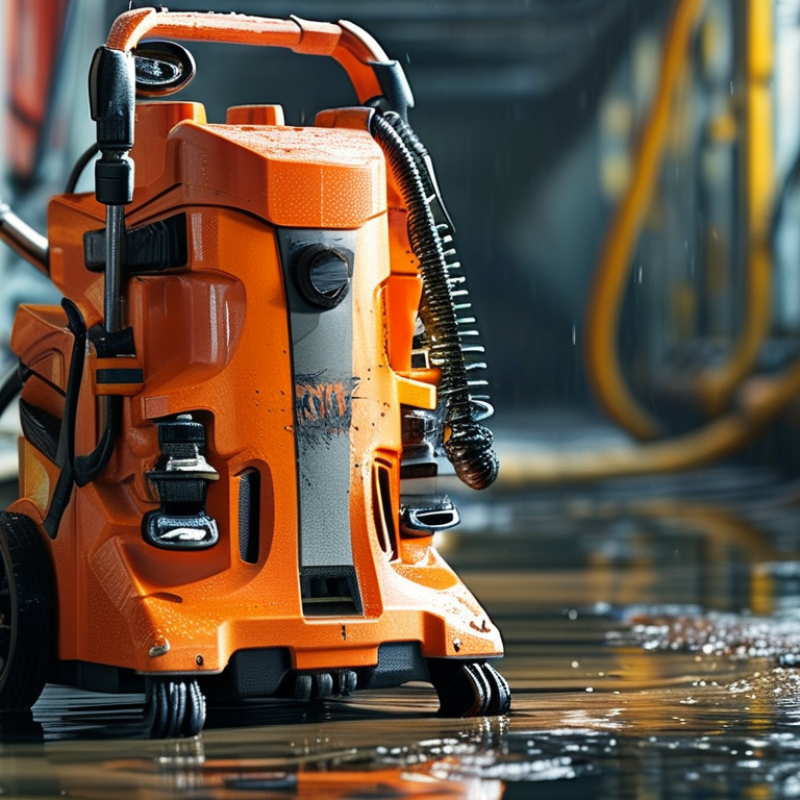
Sewer jetting machines are vital for effective drain cleaning. They utilize high-pressure water to remove blockages in sewer lines. These machines can generate water pressures of up to 4,000 PSI. Such pressure effectively dislodges grease, roots, and debris in the pipes. According to industry reports, 80% of plumbing professionals prefer jetting for tough clogs over traditional methods.
The functionality of these machines lies in their ability to access hard-to-reach areas. They often come equipped with specialized nozzles that direct water flow. This targeted approach minimizes disruption to surrounding areas. A study by the National Association of Sewer and Water Main Contractors indicates that jetting can reduce maintenance costs by up to 30% over time. However, improper use of these machines can lead to pipe damage.
Training and expertise are crucial when operating a sewer jetting machine. Novice operators may underestimate the power of high-pressure water. This can cause unintended structural issues. Understanding soil types and pipe materials is essential. Experienced professionals emphasize safety protocols. These practices ensure efficient and effective cleaning without compromising the integrity of the sewer system.
Best Sewer Jetting Machines for Efficient Drain Cleaning
Key Features to Consider When Choosing a Sewer Jetting Machine
When selecting a sewer jetting machine, it's crucial to consider several key features. High-pressure capabilities are vital. Machines offering pressure ratings between 2,000 and 4,000 PSI are common in the industry. This pressure range effectively clears stubborn clogs. Furthermore, integrated nozzles significantly impact cleaning efficiency. A variety of nozzles can adapt to different pipe sizes and blockage types.
Portability is another essential feature. Lightweight and compact machines enhance maneuverability, especially in tight spaces. Reports suggest that up to 25% of drainage issues stem from restricted access. A machine that’s easy to transport and operate can save valuable time and resources.
Tips for choosing the right machine include assessing water capacity. An adequate tank size allows for longer operational periods without interruption. Additionally, consider noise levels – quieter machines improve working conditions. Last but not least, review user feedback and professional ratings. They provide insights into reliability over time. Understanding these aspects will help ensure you select a sewer jetting machine that not only meets your needs but also performs reliably under various conditions.
Top Brands and Models of Sewer Jetting Machines in the Market
When considering the best sewer jetting machines, it’s essential to look at industry standards. According to a recent report by the National Association of Sewer Service Companies, high-pressure jetting machines can effectively clear blockages in pipes up to 600 feet in length. These machines use water pressures between 1,500 to 4,000 psi to dislodge debris. It’s remarkable how efficiently they can handle grease, roots, and mineral deposits.
Several top brands are recognized for their reliability and performance. Many professionals endorse models featuring dual operating modes. This allows for different cleaning needs, improving versatility. Further, machines with built-in detection systems provide insights into pipe conditions, which enhances preventive maintenance strategies. Choose machines with easy maneuverability to save time and effort on job sites.
Tips: Always check the psi ratings before making a purchase. Higher pressure doesn’t always mean better cleaning. Regular maintenance is vital for longevity. After each use, inspect hoses and nozzles for wear and tear. Proper storage in a climate-controlled area can prolong their lifespan significantly.
Safety Tips and Best Practices for Operating Sewer Jetting Machines
When operating a sewer jetting machine, safety should always take precedence. According to industry reports, improper use can lead to serious injuries. A staggering 30% of reported incidents arise from not wearing appropriate personal protective equipment (PPE), such as goggles and gloves. Workers must be mindful of potential hazards, including high-pressure water jets, which can cause severe lacerations if mishandled.
Proper training is essential. Operators should be acquainted with the machine's functions and limitations. An estimated 40% of accidents occur due to a lack of understanding. Before starting work, always inspect the equipment. Check for wear and tear, especially in hoses and fittings. A malfunctioning machine can quickly turn a simple drainage job into a safety nightmare.
Additionally, stay alert to changes in the work environment. Gas leaks and uneven terrain can create unsafe conditions. Industry data indicates that about 25% of injuries stem from environmental factors. Maintain clear communication among team members to navigate these hazards effectively. Continuous learning and adherence to best practices are vital for a safe and efficient operation.
Best Sewer Jetting Machine for Efficient Drain Cleaning
| Model | Pressure (PSI) | Flow Rate (GPM) | Hose Length (feet) | Weight (lbs) | Price ($) |
| Model A | 4000 | 6.0 | 100 | 150 | 2500 |
| Model B | 3000 | 5.5 | 150 | 130 | 2200 |
| Model C | 3500 | 7.0 | 120 | 160 | 2300 |
Safety Tips for Operating Sewer Jetting Machines
- Always wear appropriate personal protective equipment (PPE).
- Ensure the work area is clear of obstacles and hazards.
- Follow the manufacturer's operating instructions carefully.
- Inspect equipment for damage or wear before use.
- Use caution when operating near traffic or in confined spaces.
- Be aware of high-pressure water and its potential hazards.
Best Practices for Sewer Jetting
- Start with low pressure and increase as needed.
- Use the appropriate nozzle for the job.
- Maintain a steady, even motion to prevent clogging.
- Regularly check for clogs and blockages during operation.
- Clean hoses after each use to prevent build-up.
- Keep a maintenance log of the equipment usage and issues.
Maintenance and Care for Longevity of Sewer Jetting Equipment
Proper maintenance and care of sewer jetting machines are crucial for optimal performance. Regularly inspect the machine for any signs of wear or damage. Check hoses, fittings, and nozzles for clogs or leaks. These components are essential for effective water pressure during cleaning. If you notice any issues, address them immediately to avoid future problems.
Routine cleaning is also vital. After each use, flush the system with clean water. This helps clear out debris and prevents buildup inside the hoses. Storing the machine in a dry, shaded area protects it from environmental damage. Regularly lubricate moving parts according to the manufacturer’s guidelines to ensure smooth operation. Neglecting these simple steps can lead to costly repairs or replacements.
Training personnel on proper usage is equally important. They should understand the equipment and its maintenance requirements. Mistakes, like using incorrect pressure or angles, can cause damage. Reflection on past experiences with the equipment will enhance operational techniques and prolong its lifespan. Following these practices not only boosts the machine's efficiency but also makes it a reliable asset for your drain cleaning needs.