Best Greenhouse Lights for Optimal Plant Growth Options?
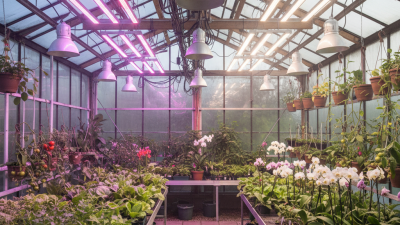
In the realm of plant cultivation, greenhouse lights play a critical role. According to Dr. Emily Carter, a renowned horticulturist, "The right greenhouse lights can transform plant growth." Her insights highlight how essential proper lighting is for optimizing plant health.
Choosing the best greenhouse lights can feel overwhelming. Different plants require distinct light spectrums for thriving growth. LED lights are popular due to their energy efficiency and longevity. Fluorescent options are preferred for seedlings, providing adequate light without excessive heat.
Many growers overlook the importance of light positioning and duration. Inadequate exposure can stunt growth or lead to leggy plants. It's crucial to consider factors like the size of the space and the plants you are growing. Reflectors and timers can enhance the effectiveness of your chosen lights. Recognizing these needs is vital in the quest for optimal plant development in any greenhouse environment.
Types of Greenhouse Lights and Their Benefits for Plant Growth
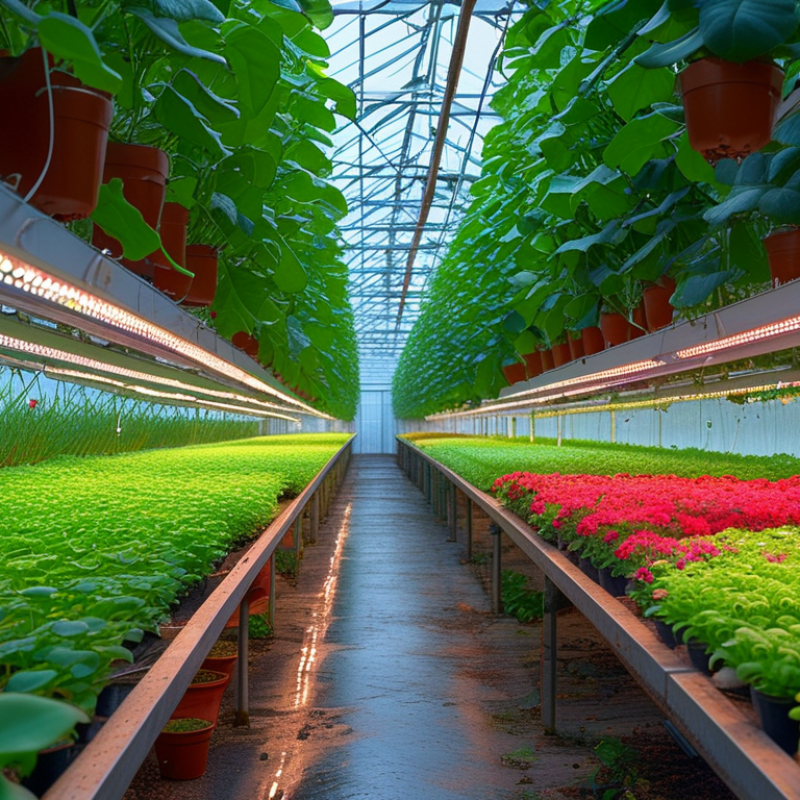
When it comes to greenhouse lighting, understanding the different types is crucial for optimal plant growth.
LED lights are gaining popularity due to their energy efficiency and long lifespan. Reports indicate that LEDs consume up to 75% less energy than traditional bulbs.
They emit light in specific wavelengths that are vital for photosynthesis. HPS (High-Pressure Sodium) lights are also widely used, offering a spectrum that enhances flowering and fruiting.
Fluorescent lights, particularly T5 fixtures, are another option. These lights are more affordable and provide adequate illumination for seedlings and leafy greens.
Studies have shown that plants under fluorescent lights can grow robustly, especially during early development stages. However, they may not penetrate as deeply as LEDs or HPS lights.
Tip: Scheduling light cycles can significantly impact plant health. Aim for 14-16 hours of light for most crops during their growing phase.
Another consideration is the distance of lights from plants. Lights placed too far can reduce growth, while those too close may cause heat stress.
Finding the right balance can be tricky but essential for success.
Tip: Regularly monitor plant responses to light changes. Adjustments can help optimize growth patterns.
Factors to Consider When Choosing Greenhouse Lighting Solutions
When selecting greenhouse lighting solutions, several critical factors come into play. The type of plants you grow significantly influences your lighting needs. Some plants thrive under high-intensity lights, while others prefer low light conditions. Understanding species requirements is essential for optimal growth.
Light spectrum is another vital aspect. Plants utilize different wavelengths for photosynthesis. Full-spectrum lights offer a balanced range that can support diverse plant types. Consider how your light source mimics natural sunlight. This can enhance growth rates and improve overall plant health.
Energy efficiency matters too. High-energy lights can increase operational costs. LED lights, though initially more expensive, last longer and save energy. However, their effectiveness can vary based on the setup. It's crucial to analyze your layout and reflect on where you place lights. Overlooking light placement can lead to uneven growth and wasted resources. Make informed decisions to foster a thriving greenhouse environment.
Best Greenhouse Lights for Optimal Plant Growth Options
| Light Type |
Color Spectrum |
Wattage |
Lifespan (hours) |
Energy Efficiency |
Ideal Plant Type |
| LED |
Full Spectrum |
60-120W |
50,000 |
High |
All Plants |
| HID |
Blue/Red Spectrum |
250-1000W |
24,000 |
Medium |
Vegetables, Flowers |
| Fluorescent |
Cool/Warm White |
15-40W |
20,000 |
Medium |
Seedlings, Herbs |
| Incandescent |
Warm White |
40-100W |
1,200 |
Low |
Low Light Plants |
| CMH |
Full Spectrum |
315-630W |
20,000 |
High |
All Plants |
Comparative Analysis of LED, Fluorescent, and HID Grow Lights
When it comes to greenhouse lighting, three main types stand out: LED, fluorescent, and HID lights. Each has its unique qualities that influence plant growth differently. LED lights are energy-efficient and have a long lifespan. They emit specific wavelengths tailored for plant needs. However, they can be pricey upfront, which might deter some growers.
Fluorescent lights are available in various forms, such as tubes or compact bulbs. They are less expensive and good for seedlings. However, they produce less light intensity compared to LEDs and HIDs. This means they might not support plants in later growth stages as effectively. Many users find that they need to replace these lights more frequently than expected.
are powerful and can produce a lot of heat. While they are excellent at delivering high-intensity light, managing heat can be a challenge. Growers often need additional ventilation, which adds to energy costs. Each option has its trade-offs worth considering. Selecting the right type often involves balancing factors like budget, plant type, and available space.
Optimal Light Spectrum and Intensity for Different Plant Varieties
Choosing the right light spectrum is crucial for plant health. Each plant has specific light needs. For example, leafy greens thrive under blue light. This spectrum stimulates vegetative growth. Conversely, flowering plants require red light. It fosters blooming and fruiting. Understanding these needs can transform your gardening experience.
Intensity also plays a vital role. High-intensity light can promote growth but might cause stress. For sensitive plants, less intensity is ideal. Check the distance between the light and plants. Too close can burn leaves. Too far may cause stretching. Aim for a balance that supports growth without harmful effects.
Experimenting with different combinations is key. Monitor how plants respond to changes. Some may flourish under certain conditions while others do not. This trial-and-error process builds knowledge. Your greenhouse can become a thriving ecosystem when proper light management is practiced.
Best Greenhouse Lights for Optimal Plant Growth
This chart illustrates the optimal light spectrum (in nanometers) and intensity (in μmol/m²/s) for different plant varieties including leafy greens, fruiting plants, and flowering plants. The data reflects the preferred lighting conditions to enhance photosynthesis and growth efficiency.
Tips for Efficiently Setting Up Greenhouse Lighting Systems
Setting up an efficient greenhouse lighting system is crucial for optimal plant growth. The right light spectrum can enhance photosynthesis, increasing yield by 20-30% according to industry research. One study found that plants under supplemental lighting grew 25% faster compared to those relying only on natural light. Understanding the needs of your plants is vital.
Placement of lights plays a significant role. Position lights 12-24 inches above the canopy for effective illumination. Ensure you cover the entire growing area. Use timers to mimic natural sunlight patterns. A consistent light cycle promotes healthy plant development. Many growers overlook the importance of adjusting both the intensity and duration of light. Regularly monitor your setup.
Another aspect to consider is the energy efficiency of your system. Using LED lights can reduce energy costs by up to 80% compared to traditional lighting options. However, initial setup costs may deter some growers. Focus on long-term benefits. Creating an optimal environment takes time and adjustments. Remember, even the best systems require regular evaluation and fine-tuning to ensure they meet the unique needs of your plants.