Best Greenhouse Lights for Global Buyers in 2026?
In the evolving world of horticulture, the choice of greenhouse lights stands paramount. These lights play a crucial role in enhancing plant growth, especially in regions with limited natural sunlight. As global demand for sustainable agriculture increases, understanding the best greenhouse lights available in 2026 becomes essential for growers everywhere.
Innovation in greenhouse lighting technologies continues to flourish. Options like LED and fluorescent lights provide energy efficiency and optimal light spectra for plant health. However, choosing the right type can be overwhelming, considering factors like plant types, growth stages, and cost-effectiveness. Some growers may overlook specific needs, leading to suboptimal results.
Research and expertise in this area are vital. Each grower's environment is unique. What works in one region may not suit another. It's essential to experiment and assess which greenhouse lights yield the best growth outcomes. Emphasis on reliable sources of information and trusted brands will guide informed decisions. Reflecting on past experiences with both successes and failures can also provide invaluable insights for future choices.
Types of Greenhouse Lights: An Overview for 2026 Buyers
When choosing greenhouse lights for 2026, it's essential to understand the available types. Each light type has unique benefits, tailored to specific needs.
LED lights are popular for their energy efficiency and long lifespan. They produce less heat, reducing cooling costs. However, high upfront costs can be a drawback for some growers.
Fluorescent lights are another option. They are affordable and ideal for seedling growth. They emit a balanced spectrum of light. Yet, they may not be as effective for larger plants. Some growers find their intensity lacking.
HPS (High-Pressure Sodium) lights offer a strong light output. They are known for promoting flowering in plants. The downside is they generate significant heat.
Tips for selecting greenhouse lights:
- Consider your plants' growth stage. Seedlings thrive under softer light, while mature plants need intensity.
- Always evaluate energy consumption and light distribution.
- Lastly, assess your budget. Analyzing these factors will lead to better lighting choices for your greenhouse.
Investing in the right type of light can improve yield significantly.
Key Features to Consider When Choosing Greenhouse Lights
When selecting greenhouse lights, there are several vital features to consider. The spectrum of light is crucial as plants require different wavelengths for photosynthesis. Full-spectrum lights provide the broadest range of wavelengths. However, specific plants might thrive better under targeted light spectrums. It's essential to understand the needs of your plants when choosing.
Another critical factor is energy efficiency. LED lights have emerged as a popular choice due to their lower energy consumption. They emit less heat, which minimizes cooling costs. Yet, some users find their initial cost higher. It's worth evaluating your budget and long-term savings when deciding on light types.
The height and placement of the lights matter too. Adjustable fixtures allow for flexibility as plants grow. However, not all greenhouse setups accommodate this. Reflective surfaces can enhance light distribution but might require extra planning. Each feature has its pros and cons, and careful consideration will lead to better plant health.
Top Brands and Models of Greenhouse Lights for 2026
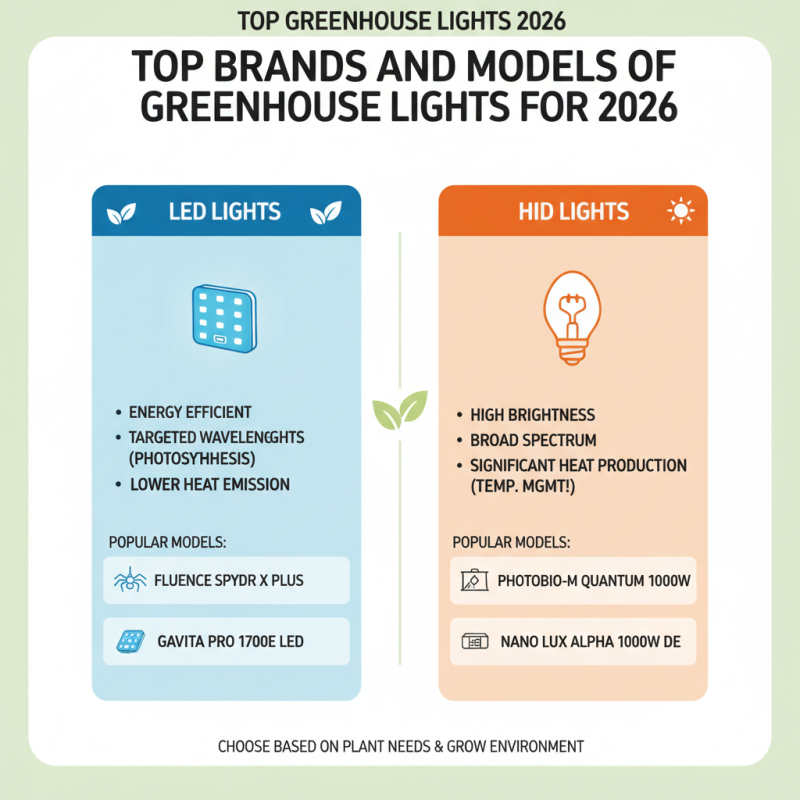
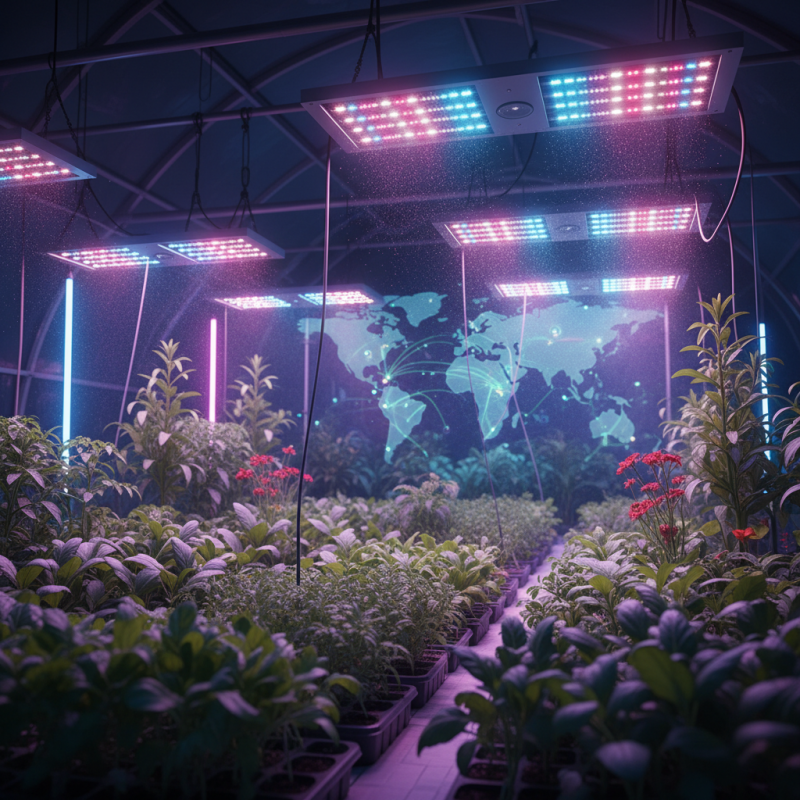
When it comes to greenhouse lighting in 2026, various options provide excellent growth support. LEDs are popular due to their energy efficiency. They emit light at specific wavelengths that plants need for photosynthesis. High-intensity discharge (HID) lights are favored by many growers for their brightness. However, they produce significant heat, requiring careful temperature management.
Several models are gaining attention this year. Growers praise adjustable spectrum lights. These allow customization of light output based on plant growth stages. Compact fluorescent lights (CFLs) offer affordability and are suitable for smaller setups. However, their output can limit growth in larger spaces. Quality matters; not all budget options provide adequate light intensity.
Many growers appreciate the importance of reliable lighting systems. Still, some struggle with energy costs. Analyzing efficiency can save money in the long run. Looking at user reviews can help in choosing the best model. Still, personal experiences vary widely. The right choice often depends on specific growing conditions and goals.
Energy Efficiency and Sustainability in Greenhouse Lighting
In 2026, choosing the right greenhouse lights remains crucial for energy efficiency and sustainability. Greenhouse lighting plays a pivotal role in plant growth. It can influence photosynthesis, flowering, and overall plant health. Energy-efficient solutions are not just a trend; they are essential for reducing carbon footprints.
LED lights are increasingly popular due to their low energy consumption and long lifespan. They emit less heat, reducing cooling costs in warm months. Using spectrally optimized LEDs enhances plant growth while conserving energy. However, not all LED options are created equal. Some may not have the right spectrum for your plants.
Tip: Research different light spectrums to find what works best in your specific environment. Monitor your plants' reactions to changes in lighting.
Another option is using solar-powered lights. These work well in areas with ample sunlight. They not only save energy but also allow for greater flexibility in greenhouse placement. However, unpredictable weather can affect performance.
Tip: Combine solar lights with traditional sources for a balanced approach.
Sustainability also involves the materials used in lighting fixtures. Opt for recyclable and durable materials. Regular maintenance of lights helps to ensure longevity, reducing replacement frequency. This careful consideration supports a sustainable greenhouse environment while optimizing energy use.
Best Greenhouse Lights for Global Buyers in 2026
This chart illustrates the energy efficiency of different types of greenhouse lighting options expected to be popular among global buyers in 2026. The data highlights the relative performance of LED, HPS, CFL, MH, and Solar lights in terms of energy efficiency measured in watts per square meter (W/m²).
Future Trends in Greenhouse Lighting Technologies for Global Markets
In 2026, greenhouse lighting technologies will continue to evolve. LED systems are becoming more efficient. They consume less power and produce less heat. These lights can be tailored to specific plant needs. Red and blue light spectrums enhance photosynthesis. Greenhouses will use this technology more widely.
Innovative trends like smart lighting will gain traction. These systems adjust automatically based on environmental conditions. Sensors monitor temperature and humidity. This ensures optimal growth. However, the upfront investment may deter some growers. It's essential to balance cost with benefits.
Alternative energy sources will also emerge. Solar-powered lights offer a sustainable option. They reduce reliance on traditional power grids. Still, challenges exist in energy storage and efficiency. This area requires further research and development to become reliable. As technology advances, the future of greenhouse lighting looks promising yet complex.